BoT advises businesses, institutions to go cashless
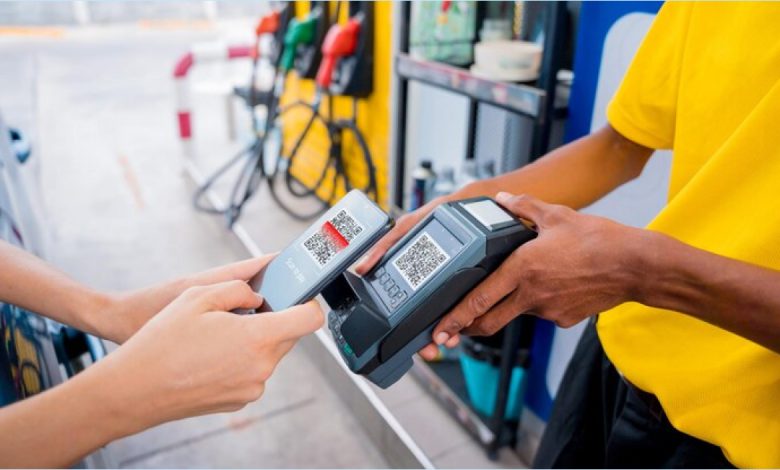
DAR ES SALAAM: THE Bank of Tanzania (BoT) has urged businesses to install electronic payment infrastructure ahead of mandatory digital payment regulations taking effect in January next year, as the government steps up efforts to build a cash-lite economy and strengthen financial inclusion.
The regulations require businesses and institutions operating in sectors including transport, retail, hospitality, education, tourism, real estate, motor vehicle sales and agriculture to adopt approved electronic payment systems. Existing operators have been granted a six-month transition period to comply before the rules take effect.
Once implemented, transactions traditionally settled in cash, including bus fares, school fees, hotel bills, fuel purchases and property payments, will be required to pass through approved electronic payment channels.
Speaking in a televised interview, BoT Governor Emmanuel Tutuba said businesses should begin investing in payment infrastructure now to ensure a smooth transition.
“The objective of the law is to ensure Tanzanians benefit from a modern payment system,” Mr Tutuba said, urging businesses to deploy solutions such as Lipa Namba, point-of-sale (POS) terminals and other approved digital payment platforms suited to their operations.
He said the central bank will continue working with industry stakeholders to raise public awareness while maintaining oversight of payment systems to ensure they remain secure, reliable and efficient.
According to Mr Tutuba, wider adoption of electronic payments will improve business record-keeping, strengthen financial management and generate verifiable transaction histories that could enhance access to credit.
He added that the shift would also strengthen tax administration by reducing reliance on cash transactions and improving the Tanzania Revenue Authority’s ability to track taxable economic activity.
The policy builds on Tanzania’s expanding digital payments ecosystem. According to the Bank of Tanzania’s National Payment Systems Annual Report 2025, the number of merchants accepting digital payments more than doubled to 2.79 million in 2025 from 1.33 million a year earlier, reflecting rapid adoption by businesses.
Analysts say mandatory electronic payments are expected to deepen financial inclusion, increase transparency and support domestic revenue mobilisation by formalising a larger share of commercial transactions.
President of the Tanzania Accountants Association, Godvictor Lyimo said digital payments create verifiable audit trails that strengthen tax compliance while helping combat money laundering and other illicit financial activities associated with cashbased transactions.
He said businesses should use the transition period to invest in payment infrastructure, modernise financial management systems and strengthen internal controls, while banks and financial technology firms are likely to benefit from increased demand for digital payment services.
ALSO READ: BoT urges farmers to embrace formal finance
Some businesses, however, remain concerned about transaction costs. Kings Bakery founder Kelvin Shehoza welcomed the government’s cashless agenda but said payment charges could discourage wider adoption.
“The challenge is not convincing people to use digital payments, but the transaction charges. Payments for goods should ideally be free, with charges applying only to services such as sending or withdrawing money,” he said.