Borders cannot stop disease, so Africa must cooperate
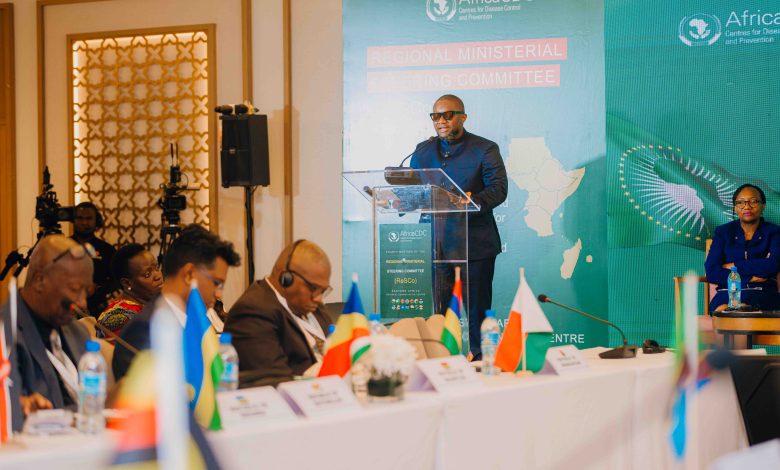
DAR ES SALAAM: African countries have been urged to increase domestic financing, strengthen local manufacturing and deepen regional health cooperation to reduce dependence on external support and safeguard the continent’s health security.
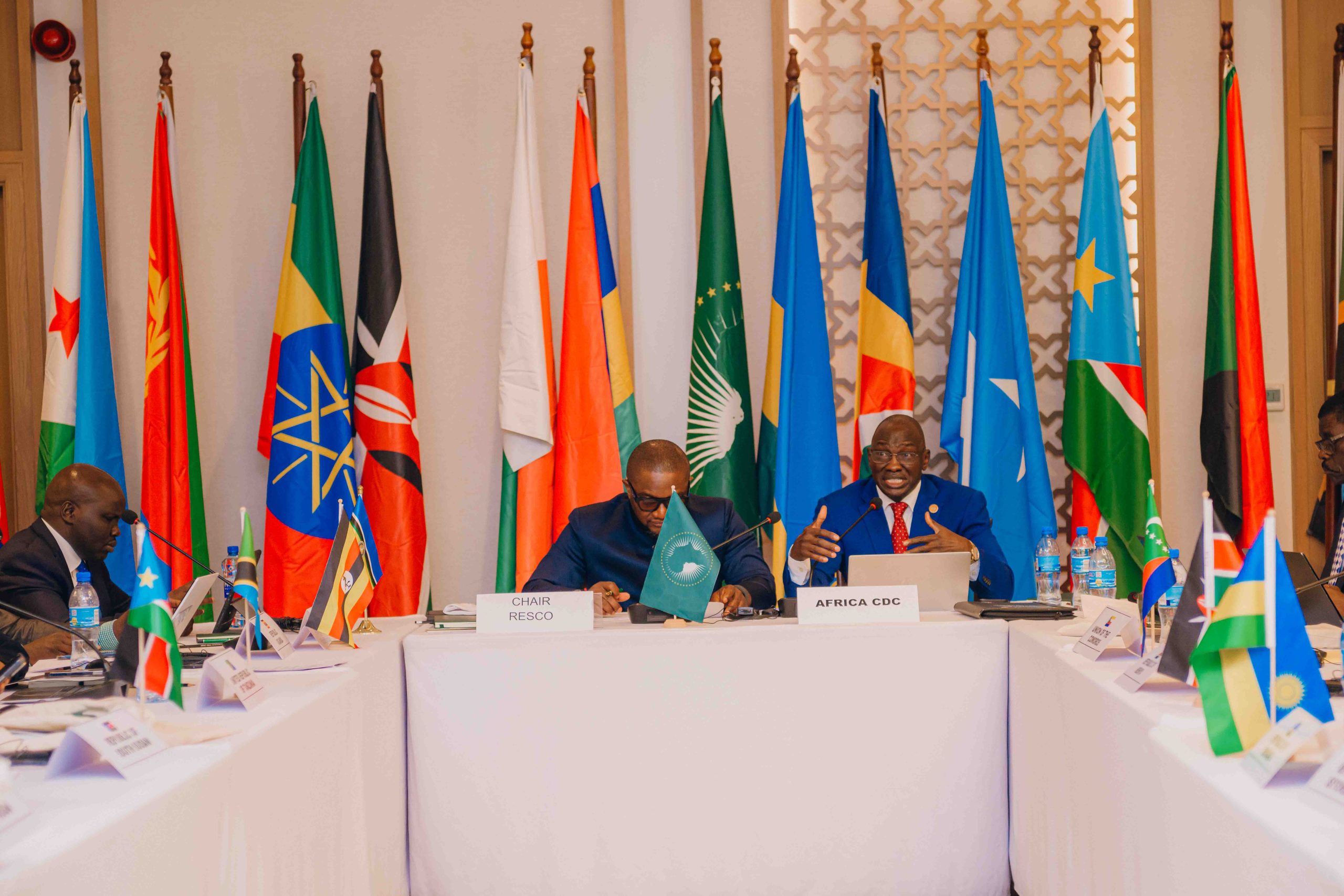
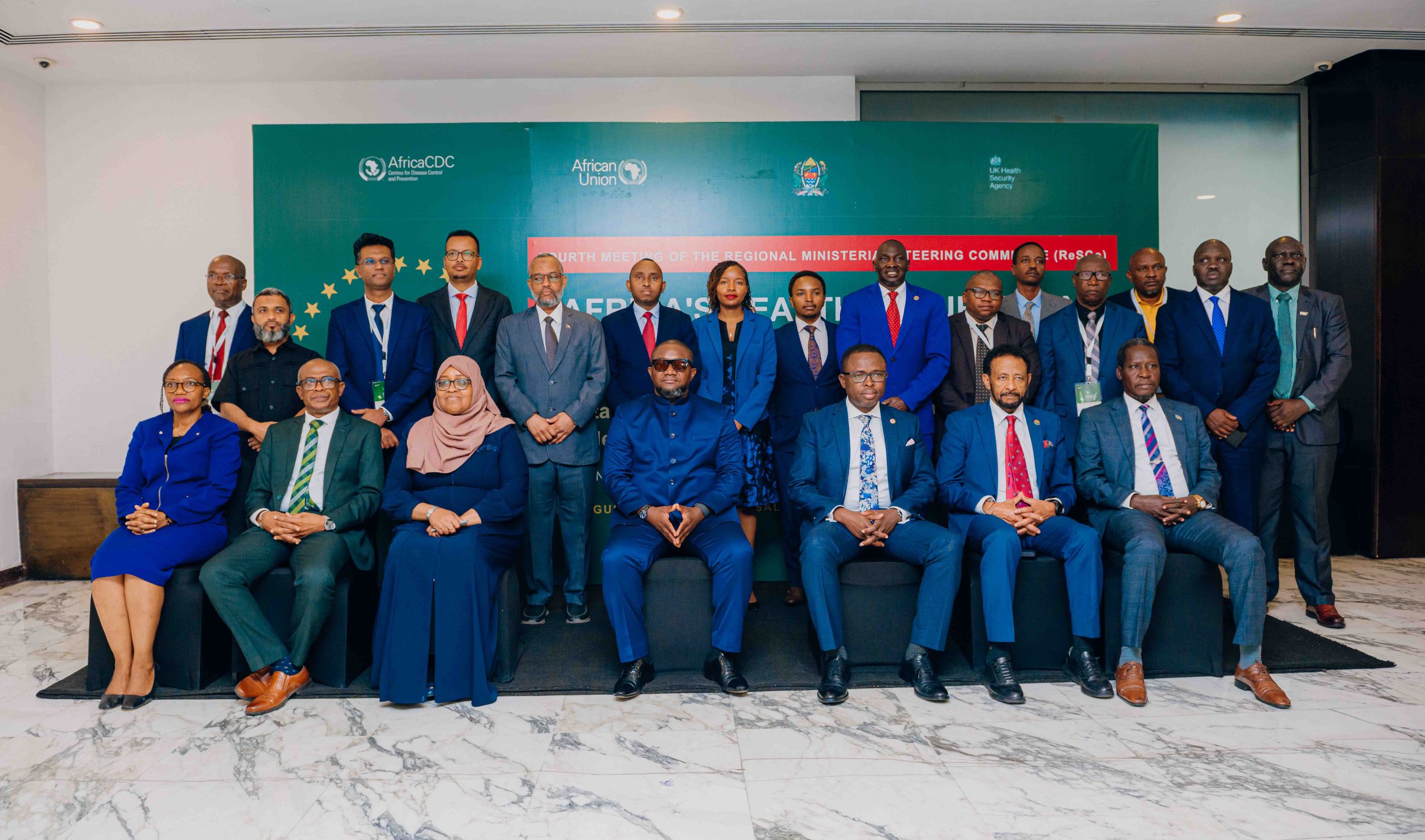
Health Minister Mchengerwa made the call on Tuesday while opening the fourth meeting of the Eastern Africa Regional Ministerial Steering Committee in Dar es Salaam. Addressing hundreds of participants from about 14 African countries, he stressed that Africa must take greater responsibility for building and sustaining its own health systems.
He said sustainable investment in maternal and child health and primary healthcare was critical to developing resilient systems capable of responding effectively to pandemics, disease outbreaks and other emergencies.
According to Mchengerwa, health financing should be regarded as an investment in productive people, stronger economies and resilient communities rather than as expenditure.
ALSO READ: UNESCO hails TANAPA’s efforts in conservation of Serengeti National Park
Africa spends more than US$28 billion annually on pharmaceutical products within a continental health market estimated at US$170 billion. However, a significant share of that value benefits producers outside the continent.
“We are, in effect, exporting our health budget and importing our vulnerability,” he said.
Mchengerwa called for accelerated local and regional production of medicines, vaccines, diagnostics and other essential health commodities. He also advocated pooled procurement systems to ensure affordable, reliable and sustainable supplies across the region.
He warned that the withdrawal of major donor support for maternal and child health commodities had exposed the risks of excessive dependence on external financing. Tanzania, he said, was ready to share its experience in centralised procurement and distribution through the Medical Stores Department (MSD) as countries pursued greater health sovereignty.
On maternal and child health, Mchengerwa highlighted the continent’s continuing burden, citing United Nations figures showing Africa’s maternal mortality ratio at 454 deaths per 100,000 live births and under-five mortality at 71 deaths per 1,000 live births.
He said Tanzania’s sustained investment in primary healthcare had contributed to significant improvements. Between 80 and 85 per cent of the population can now access health services, including maternal and child healthcare, within five kilometres of their homes.
The number of neonatal care units increased from 14 in 2018 to 438 in 2025, while maternal mortality declined from 556 to 104 deaths per 100,000 live births. Under-five mortality also fell from 67 to 43 deaths per 1,000 live births.
Mchengerwa attributed the progress to government efforts to expand primary healthcare, increase the availability of skilled health workers, strengthen emergency referral systems and introduce digital tracking of maternal and perinatal deaths. He also cited vaccination coverage exceeding 95 per cent and strengthened malaria control.
He urged East African countries to make cross-border disease surveillance, preparedness and coordinated responses routine rather than waiting for outbreaks to occur. Ebola, cholera, climate-related shocks and humanitarian crises, he noted, do not respect national borders and therefore require joint regional action.
“Diseases respect no borders, carry no passport and queue at no immigration desk. Neither, therefore, can our response,” he said.
Mchengerwa proposed five key commitments for member states: prioritising health security, maternal and child health and primary healthcare in national development plans and budgets; strengthening cross-border surveillance; implementing maternal, newborn and child health roadmaps with clear targets; mobilising predictable domestic financing while expanding pooled procurement and local manufacturing; and strengthening accountability through regular monitoring and reporting.