

BMH’s Royal Clinic attracts 28,000 patients in first year
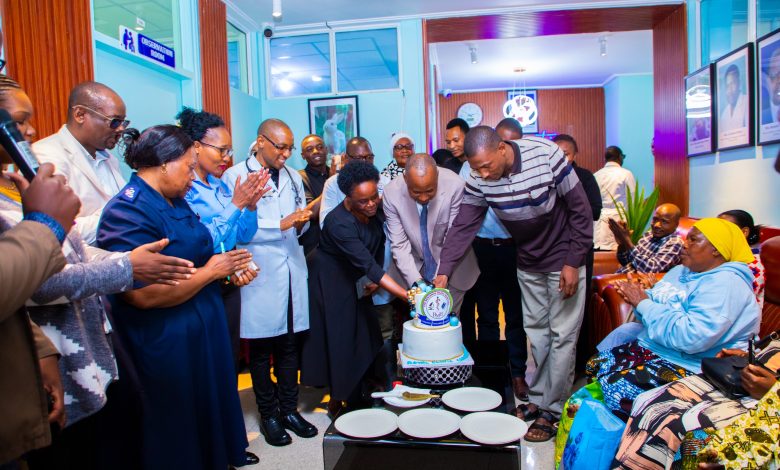
DODOMA : BENJAMIN Mkapa Hospital’s (BMH) Royal, International Patients and Master Health Check-up Clinic has treated more than 28,000 patients, including over 200 international clients, within its first year of operation, strengthening Tanzania’s position as an emerging destination for specialised healthcare and medical tourism.
The high-end clinic, which officially marks its first anniversary today, was established to provide fast, private and comprehensive specialist healthcare services for VIPs, international patients and individuals seeking preventive health screening.
Speaking during the anniversary celebrations , BMH Executive Director, Prof Abel Makubi, said the clinic has transformed the delivery of specialised healthcare by enabling patients to receive multiple services under one roof within a short period.
“This is the first clinic of its kind to offer comprehensive specialist consultations, diagnostic investigations and treatment within a very short time while ensuring privacy and convenience for patients,” Prof Makubi said.
He said patients are attended to by specialist doctors within 15 minutes of arrival, with laboratory investigations, diagnostic imaging, pharmacy and payment services all available at the same facility to minimise waiting time.
“Our local and international clients receive world-class specialist services in a comfortable environment. The objective is to eliminate unnecessary delays while ensuring patients receive quality healthcare in the shortest possible time,” he said.
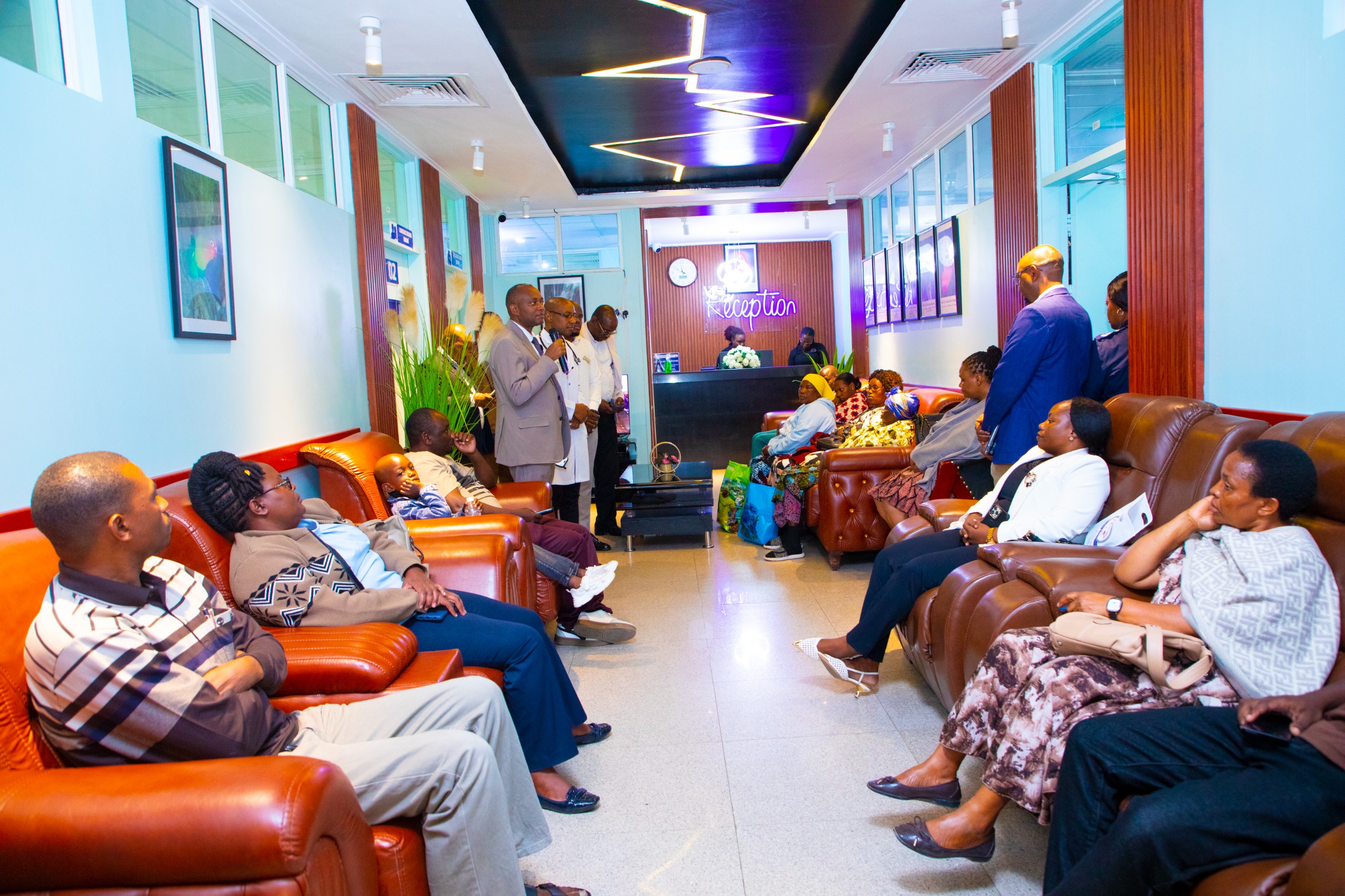
Prof Makubi said the clinic forms part of the hospital’s broader strategy to support the government’s drive to position Tanzania as a regional hub for specialised healthcare and medical tourism.
The Royal, International Patients and Master Health Check-up Clinic was officially launched on July 10, 2025, by the former Minister for Health, the late Jenista Mhagama.
Head of the clinic, Dr Saguda Nilla, said demand for the services has continued to grow, with more than 28,000 clients receiving treatment during the first year of operation.
She said over 200 of the patients travelled from outside Tanzania for specialised healthcare, while more than 300 people underwent comprehensive health screening despite not having any symptoms of illness.
ALSO READ: BMH, JKCI save Burundian children in landmark heart surgery
“The increasing number of both local and international clients demonstrates growing confidence in the quality of specialised healthcare available at Benjamin Mkapa Hospital,” Dr Nilla said.
Some clients praised the clinic for its efficiency and quality of care.
Ms Sara Lenday from Iringa said she travelled with her mother for specialist cardiac treatment and managed to return home the same day because of the speed of service.
“The services were fast and well coordinated. We travelled from Iringa, received treatment and returned home on the same day,” she said.
Another client, Mr Deogratias Haule, said he visits the clinic every year for a comprehensive medical check-up despite feeling healthy.
“I encourage Tanzanians to develop the habit of undergoing annual health screening because early detection is the best way to prevent non-communicable diseases,” he said.


There are significant differences between prisons in India and Tanzania, although conditions vary from one facility to another in both countries.
Aspect India Tanzania
Prison system Large prison network managed by individual states and union territories. Managed centrally by the Tanzania Prisons Service.
Prison population Very large prison population, with many facilities facing overcrowding. Smaller overall prison population, but overcrowding is also reported in several prisons.
Overcrowding A major issue in many prisons, especially because many inmates are awaiting trial. Also a serious challenge, with some prisons holding more inmates than their intended capacity.
Living conditions Conditions vary widely. Some prisons offer educational and vocational programs, while others have limited resources. Conditions also vary, but reports have noted shortages of space, sanitation, healthcare, and resources in some facilities.
Food Basic meals are provided according to state prison rules, typically including rice, chapati, lentils, and vegetables. Basic meals often consist of maize meal (ugali), beans, and other locally available foods.
Healthcare Larger prisons usually have medical staff or clinics, though access and quality differ by location. Basic healthcare is available, but staffing and medical supplies may be limited in some facilities.
Work and rehabilitation Many prisons provide vocational training, education, and prison industries. Some prisons offer farming, vocational work, and rehabilitation programs, though availability varies.
Family visits Visits are generally permitted under prison regulations. Visits are also allowed, subject to prison rules and security procedures.
Similarities
Both countries prohibit torture and provide legal rights to prisoners under their constitutions and laws.
Both face challenges with overcrowding in parts of their prison systems.
Both provide food, shelter, and basic medical care, although the quality and availability can differ by facility.
Both allow family visits under regulated conditions.
Key difference
India has a larger and more diverse prison system, and some prisons have more established rehabilitation and educational programs. Tanzania’s prison system is smaller, and resource constraints can make rehabilitation programs and healthcare less available in some facilities. However, conditions can differ considerably between individual prisons in each country.
It’s important to avoid broad generalizations, since prison conditions depend heavily on the specific institution, funding, management, and whether the prisoner is in pretrial detention or serving a sentence.
There are significant differences between prisons in India and Tanzania, although conditions vary from one facility to another in both countries.
Aspect India Tanzania
Prison system Large prison network managed by individual states and union territories. Managed centrally by the Tanzania Prisons Service.
Prison population Very large prison population, with many facilities facing overcrowding. Smaller overall prison population, but overcrowding is also reported in several prisons.
Overcrowding A major issue in many prisons, especially because many inmates are awaiting trial. Also a serious challenge, with some prisons holding more inmates than their intended capacity.
Living conditions Conditions vary widely. Some prisons offer educational and vocational programs, while others have limited resources. Conditions also vary, but reports have noted shortages of space, sanitation, healthcare, and resources in some facilities.
Food Basic meals are provided according to state prison rules, typically including rice, chapati, lentils, and vegetables. Basic meals often consist of maize meal (ugali), beans, and other locally available foods.
Healthcare Larger prisons usually have medical staff or clinics, though access and quality differ by location. Basic healthcare is available, but staffing and medical supplies may be limited in some facilities.
Work and rehabilitation Many prisons provide vocational training, education, and prison industries. Some prisons offer farming, vocational work, and rehabilitation programs, though availability varies.
Family visits Visits are generally permitted under prison regulations. Visits are also allowed, subject to prison rules and security procedures.
Similarities
Both countries prohibit torture and provide legal rights to prisoners under their constitutions and laws.
Both face challenges with overcrowding in parts of their prison systems.
Both provide food, shelter, and basic medical care, although the quality and availability can differ by facility.
Both allow family visits under regulated conditions.
Key difference
India has a larger and more diverse prison system, and some prisons have more established rehabilitation and educational programs. Tanzania’s prison system is smaller, and resource constraints can make rehabilitation programs and healthcare less available in some facilities. However, conditions can differ considerably between individual prisons in each country.
It’s important to avoid broad generalizations, since prison conditions depend heavily on the specific institution, funding, management, and whether the prisoner is in pretrial detention or serving a sentence.
There are significant differences between prisons in India and Tanzania, although conditions vary from one facility to another in both countries.
Aspect India Tanzania
Prison system Large prison network managed by individual states and union territories. Managed centrally by the Tanzania Prisons Service.
Prison population Very large prison population, with many facilities facing overcrowding. Smaller overall prison population, but overcrowding is also reported in several prisons.
Overcrowding A major issue in many prisons, especially because many inmates are awaiting trial. Also a serious challenge, with some prisons holding more inmates than their intended capacity.
Living conditions Conditions vary widely. Some prisons offer educational and vocational programs, while others have limited resources. Conditions also vary, but reports have noted shortages of space, sanitation, healthcare, and resources in some facilities.
Food Basic meals are provided according to state prison rules, typically including rice, chapati, lentils, and vegetables. Basic meals often consist of maize meal (ugali), beans, and other locally available foods.
Healthcare Larger prisons usually have medical staff or clinics, though access and quality differ by location. Basic healthcare is available, but staffing and medical supplies may be limited in some facilities.
Work and rehabilitation Many prisons provide vocational training, education, and prison industries. Some prisons offer farming, vocational work, and rehabilitation programs, though availability varies.
Family visits Visits are generally permitted under prison regulations. Visits are also allowed, subject to prison rules and security procedures.
Similarities
Both countries prohibit torture and provide legal rights to prisoners under their constitutions and laws.
Both face challenges with overcrowding in parts of their prison systems.
Both provide food, shelter, and basic medical care, although the quality and availability can differ by facility.
Both allow family visits under regulated conditions.
Key difference
India has a larger and more diverse prison system, and some prisons have more established rehabilitation and educational programs. Tanzania’s prison system is smaller, and resource constraints can make rehabilitation programs and healthcare less available in some facilities. However, conditions can differ considerably between individual prisons in each country.
It’s important to avoid broad generalizations, since prison conditions depend heavily on the specific institution, funding, management, and whether the prisoner is in pretrial detention or serving a sentence.
There are significant differences between prisons in India and Tanzania, although conditions vary from one facility to another in both countries.
Aspect India Tanzania
Prison system Large prison network managed by individual states and union territories. Managed centrally by the Tanzania Prisons Service.
Prison population Very large prison population, with many facilities facing overcrowding. Smaller overall prison population, but overcrowding is also reported in several prisons.
Overcrowding A major issue in many prisons, especially because many inmates are awaiting trial. Also a serious challenge, with some prisons holding more inmates than their intended capacity.
Living conditions Conditions vary widely. Some prisons offer educational and vocational programs, while others have limited resources. Conditions also vary, but reports have noted shortages of space, sanitation, healthcare, and resources in some facilities.
Food Basic meals are provided according to state prison rules, typically including rice, chapati, lentils, and vegetables. Basic meals often consist of maize meal (ugali), beans, and other locally available foods.
Healthcare Larger prisons usually have medical staff or clinics, though access and quality differ by location. Basic healthcare is available, but staffing and medical supplies may be limited in some facilities.
Work and rehabilitation Many prisons provide vocational training, education, and prison industries. Some prisons offer farming, vocational work, and rehabilitation programs, though availability varies.
Family visits Visits are generally permitted under prison regulations. Visits are also allowed, subject to prison rules and security procedures.
Similarities
Both countries prohibit torture and provide legal rights to prisoners under their constitutions and laws.
Both face challenges with overcrowding in parts of their prison systems.
Both provide food, shelter, and basic medical care, although the quality and availability can differ by facility.
Both allow family visits under regulated conditions.
Key difference
India has a larger and more diverse prison system, and some prisons have more established rehabilitation and educational programs. Tanzania’s prison system is smaller, and resource constraints can make rehabilitation programs and healthcare less available in some facilities. However, conditions can differ considerably between individual prisons in each country.
It’s important to avoid broad generalizations, since prison conditions depend heavily on the specific institution, funding, management, and whether the prisoner is in pretrial detention or serving a sentence.
There are significant differences between prisons in India and Tanzania, although conditions vary from one facility to another in both countries.
Aspect India Tanzania
Prison system Large prison network managed by individual states and union territories. Managed centrally by the Tanzania Prisons Service.
Prison population Very large prison population, with many facilities facing overcrowding. Smaller overall prison population, but overcrowding is also reported in several prisons.
Overcrowding A major issue in many prisons, especially because many inmates are awaiting trial. Also a serious challenge, with some prisons holding more inmates than their intended capacity.
Living conditions Conditions vary widely. Some prisons offer educational and vocational programs, while others have limited resources. Conditions also vary, but reports have noted shortages of space, sanitation, healthcare, and resources in some facilities.
Food Basic meals are provided according to state prison rules, typically including rice, chapati, lentils, and vegetables. Basic meals often consist of maize meal (ugali), beans, and other locally available foods.
Healthcare Larger prisons usually have medical staff or clinics, though access and quality differ by location. Basic healthcare is available, but staffing and medical supplies may be limited in some facilities.
Work and rehabilitation Many prisons provide vocational training, education, and prison industries. Some prisons offer farming, vocational work, and rehabilitation programs, though availability varies.
Family visits Visits are generally permitted under prison regulations. Visits are also allowed, subject to prison rules and security procedures.
Similarities
Both countries prohibit torture and provide legal rights to prisoners under their constitutions and laws.
Both face challenges with overcrowding in parts of their prison systems.
Both provide food, shelter, and basic medical care, although the quality and availability can differ by facility.
Both allow family visits under regulated conditions.
Key difference
India has a larger and more diverse prison system, and some prisons have more established rehabilitation and educational programs. Tanzania’s prison system is smaller, and resource constraints can make rehabilitation programs and healthcare less available in some facilities. However, conditions can differ considerably between individual prisons in each country.
It’s important to avoid broad generalizations, since prison conditions depend heavily on the specific institution, funding, management, and whether the prisoner is in pretrial detention or serving a sentence.
There are significant differences between prisons in India and Tanzania, although conditions vary from one facility to another in both countries.
Aspect India Tanzania
Prison system Large prison network managed by individual states and union territories. Managed centrally by the Tanzania Prisons Service.
Prison population Very large prison population, with many facilities facing overcrowding. Smaller overall prison population, but overcrowding is also reported in several prisons.
Overcrowding A major issue in many prisons, especially because many inmates are awaiting trial. Also a serious challenge, with some prisons holding more inmates than their intended capacity.
Living conditions Conditions vary widely. Some prisons offer educational and vocational programs, while others have limited resources. Conditions also vary, but reports have noted shortages of space, sanitation, healthcare, and resources in some facilities.
Food Basic meals are provided according to state prison rules, typically including rice, chapati, lentils, and vegetables. Basic meals often consist of maize meal (ugali), beans, and other locally available foods.
Healthcare Larger prisons usually have medical staff or clinics, though access and quality differ by location. Basic healthcare is available, but staffing and medical supplies may be limited in some facilities.
Work and rehabilitation Many prisons provide vocational training, education, and prison industries. Some prisons offer farming, vocational work, and rehabilitation programs, though availability varies.
Family visits Visits are generally permitted under prison regulations. Visits are also allowed, subject to prison rules and security procedures.
Similarities
Both countries prohibit torture and provide legal rights to prisoners under their constitutions and laws.
Both face challenges with overcrowding in parts of their prison systems.
Both provide food, shelter, and basic medical care, although the quality and availability can differ by facility.
Both allow family visits under regulated conditions.
Key difference
India has a larger and more diverse prison system, and some prisons have more established rehabilitation and educational programs. Tanzania’s prison system is smaller, and resource constraints can make rehabilitation programs and healthcare less available in some facilities. However, conditions can differ considerably between individual prisons in each country.
It’s important to avoid broad generalizations, since prison conditions depend heavily on the specific institution, funding, management, and whether the prisoner is in pretrial detention or serving a sentence.
There are significant differences between prisons in India and Tanzania, although conditions vary from one facility to another in both countries.
Aspect India Tanzania
Prison system Large prison network managed by individual states and union territories. Managed centrally by the Tanzania Prisons Service.
Prison population Very large prison population, with many facilities facing overcrowding. Smaller overall prison population, but overcrowding is also reported in several prisons.
Overcrowding A major issue in many prisons, especially because many inmates are awaiting trial. Also a serious challenge, with some prisons holding more inmates than their intended capacity.
Living conditions Conditions vary widely. Some prisons offer educational and vocational programs, while others have limited resources. Conditions also vary, but reports have noted shortages of space, sanitation, healthcare, and resources in some facilities.
Food Basic meals are provided according to state prison rules, typically including rice, chapati, lentils, and vegetables. Basic meals often consist of maize meal (ugali), beans, and other locally available foods.
Healthcare Larger prisons usually have medical staff or clinics, though access and quality differ by location. Basic healthcare is available, but staffing and medical supplies may be limited in some facilities.
Work and rehabilitation Many prisons provide vocational training, education, and prison industries. Some prisons offer farming, vocational work, and rehabilitation programs, though availability varies.
Family visits Visits are generally permitted under prison regulations. Visits are also allowed, subject to prison rules and security procedures.
Similarities
Both countries prohibit torture and provide legal rights to prisoners under their constitutions and laws.
Both face challenges with overcrowding in parts of their prison systems.
Both provide food, shelter, and basic medical care, although the quality and availability can differ by facility.
Both allow family visits under regulated conditions.
Key difference
India has a larger and more diverse prison system, and some prisons have more established rehabilitation and educational programs. Tanzania’s prison system is smaller, and resource constraints can make rehabilitation programs and healthcare less available in some facilities. However, conditions can differ considerably between individual prisons in each country.
It’s important to avoid broad generalizations, since prison conditions depend heavily on the specific institution, funding, management, and whether the prisoner is in pretrial detention or serving a sentence.
There are significant differences between prisons in India and Tanzania, although conditions vary from one facility to another in both countries.
Aspect India Tanzania
Prison system Large prison network managed by individual states and union territories. Managed centrally by the Tanzania Prisons Service.
Prison population Very large prison population, with many facilities facing overcrowding. Smaller overall prison population, but overcrowding is also reported in several prisons.
Overcrowding A major issue in many prisons, especially because many inmates are awaiting trial. Also a serious challenge, with some prisons holding more inmates than their intended capacity.
Living conditions Conditions vary widely. Some prisons offer educational and vocational programs, while others have limited resources. Conditions also vary, but reports have noted shortages of space, sanitation, healthcare, and resources in some facilities.
Food Basic meals are provided according to state prison rules, typically including rice, chapati, lentils, and vegetables. Basic meals often consist of maize meal (ugali), beans, and other locally available foods.
Healthcare Larger prisons usually have medical staff or clinics, though access and quality differ by location. Basic healthcare is available, but staffing and medical supplies may be limited in some facilities.
Work and rehabilitation Many prisons provide vocational training, education, and prison industries. Some prisons offer farming, vocational work, and rehabilitation programs, though availability varies.
Family visits Visits are generally permitted under prison regulations. Visits are also allowed, subject to prison rules and security procedures.
Similarities
Both countries prohibit torture and provide legal rights to prisoners under their constitutions and laws.
Both face challenges with overcrowding in parts of their prison systems.
Both provide food, shelter, and basic medical care, although the quality and availability can differ by facility.
Both allow family visits under regulated conditions.
Key difference
India has a larger and more diverse prison system, and some prisons have more established rehabilitation and educational programs. Tanzania’s prison system is smaller, and resource constraints can make rehabilitation programs and healthcare less available in some facilities. However, conditions can differ considerably between individual prisons in each country.
It’s important to avoid broad generalizations, since prison conditions depend heavily on the specific institution, funding, management, and whether the prisoner is in pretrial detention or serving a sentence.