Banks urged to deepen inclusion as 78pc remain unbanked
ARUSHA: DESPITE strong growth in the country’s banking industry in recent years, nearly 78 per cent of the population still remains outside the formal banking system.
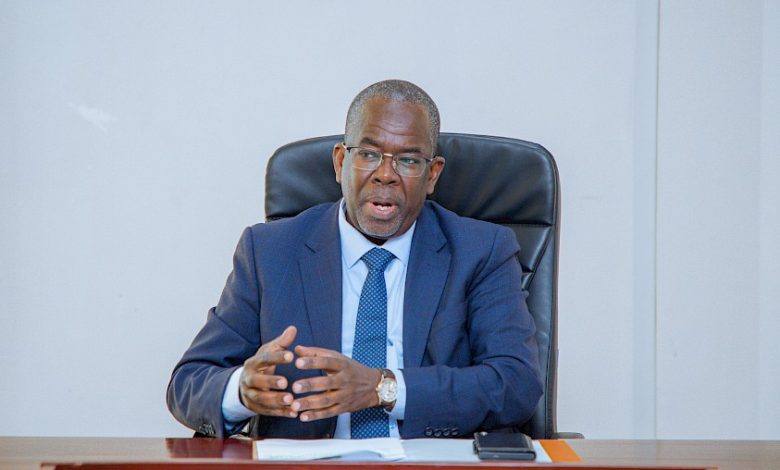
This prompting government calls for lenders to intensify efforts to expand financial inclusion. Finance Minister Khamis Musa Omar said on Friday that formal banking inclusion stands at only 22 per cent, even though the broader financial inclusion landscape has improved significantly when mobile money services are taken into account.
“Banks should work extensively hard to reach the remaining percentage. Mobile phone penetration is welcome, but the banking sub-sector should make more effort to reach the remaining banking population,” Amb Omar said.
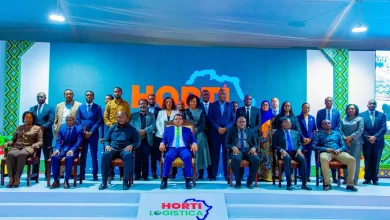
He was speaking during a shareholders’ investment seminar organised by CRDB Bank Plc, which this year focused on youth investment, and called on commercial banks to move beyond conventional urban lending models and extend services to underserved citizens.
The Minister noted that mobile money services have played a key role in widening access to financial services, particularly in remote areas where traditional banking infrastructure remains limited.
According to the Bank of Tanzania’s Financial Inclusion Framework, based on FinScope 2023 results, access to and usage of formal financial services increased to 76 per cent in 2023, up from 65 per cent in 2017. His remarks come at a time when the banking industry is experiencing one of its strongest periods of expansion, supported by improving asset quality, rising profitability and rapid growth in digital financial services.
The seminar was themed “Youth and Investment in Shares.” “We take pride in the strong progress being recorded in the banking sub- sector, which remains the backbone of the country’s financial system,” he said. The banking industry accounts for more than 71.1 per cent of total assets in the financial sector.
Total banking sector assets grew from 39.3tri/- in 2021 to 77.0tri/- in 2025, equivalent to 34.4 per cent of Gross Domestic Product (GDP). Over the same period, customer deposits rose from 28.5tri/- to 53.5tri/-, while loans expanded from 20.8tri/- to 46.7tri/-.
The sector has also recorded improved asset quality and profitability. Profitability indicators strengthened, with average Return on Assets (RoA) rising to 4.7 per cent and Return on Equity (RoE) climbing to 20.6 per cent.
ALSO READ: Palestine envoy calls for unity in marking the Nakba Day
At the same time, non-performing loans (NPLs) declined from 5.8 per cent in 2021 to 2.8 per cent last year, reflecting stronger risk management and improved loan recovery across the industry. As one of the country’s largest lenders with about 29 per cent of the loan market, CRDB Bank Plc was highlighted as a key player in supporting inclusive growth and expanding access to productive financing.
“Foreign investment should serve as a catalyst for economic growth while ensuring that Tanzanians remain key owners and beneficiaries of the economy,” Amb Omar said, urging financial institutions to support emerging entrepreneurs.
CRDB Bank Group CEO and Managing Director, Abdulmajid Nsekela, reaffirmed the bank’s commitment to youth empowerment through financial services, innovation, investment education and entrepreneurship programmes.
“We believe today’s youth are not just customers of our bank, but future investors, innovators and leaders of the economy. That is why we want them to be part of the growth journey of both our institution and the national economy,” he said.
He said through the CRDB Bank Foundation and the IMBEJU programme, the bank has reached thousands of young people and start-ups with training, capital and business development support. CRDB Bank Board Chairperson Neema Mori said share investment remains a key pathway to long-term financial security for families and young people.
“Today, this growth has also translated into a substantial increase in the value of our shareholders’ investments,” she said.
The bank’s share price has risen by more than 253 per cent over the past three years, trading at an average of 2,800/- compared to 460/- in 2023. The seminar will be followed by the annual general meeting, which is expected to, among other matters, approve the proposed dividend.