ARVs production goes local, cutting cost

ARUSHA: PEOPLE using antiretroviral drugs (ARVs) in the country are expected to enjoy reliable access to the life-saving medication, while the government cuts import costs following the commencement of local production.
This follows the government’s announcement that Tanzania will officially begin producing ARVs locally by June this year after the operationalisation of the ARVs manufacturing plant based in Arusha.
The initiative is expected to reduce the cost of the lifesaving drugs and improve their availability to people living with HIV across the country.
Minister for Health, Mr Mohamed Mchengerwa made the announcement on Tuesday in Arusha during a medical preparedness event ahead of the 2027 Africa Cup of Nations (AFCON).
The event was organised by the Jakaya Kikwete Heart Institute (JKCI) in collaboration with the Arusha Lutheran Medical Centre (ALMC), formerly known as Selian Hospital.
Mr Mchengerwa said trial production at the factory is scheduled to begin in May this year.
He noted that within tenhours of operation, the plant will have the capacity to produce up to 1.7 million ARV tablets.
According to the minister, more than 1.5 million people living with HIV in Tanzania depend on antiretroviral therapy to manage the virus, underscoring the importance of local production in ensuring a reliable and affordable supply of the drugs.
He further directed that security at the factory be strengthened to prevent challenges experienced in the past.
Additionally, the minister instructed the Permanent Secretary in the Ministry of Health, Dr Seif Shekalaghe, to ensure that 25bn/- is made available for the renovation of machinery and to facilitate the immediate start of production.
Mr Mchengerwa said local production of ARVs will significantly reduce government expenditure on importing the drugs, while surplus production is expected to be exported outside the country, a move he described as a true demonstration of patriotism.
He stressed that the government remains committed to ensuring sustained production of the drugs within Tanzania.
In another development, the minister said Tanzania is well positioned to offer expert and professional medical services through JKCI and ALMC.
ALSO READ: Tanzania revives ARVs production as Health Ministry inspects TPI plant
He noted that the collaboration between the two institutions under the Evangelical Lutheran Church of Tanzania (ELCT) is strategic and productive, both in the short and long term, particularly in preparations for AFCON 2027.
Addressing the burden of non-communicable diseases, Mr Mchengerwa cited World Health Organisation (WHO) statistics indicating that heart diseases account for 17.5 million deaths globally, equivalent to 32 per cent.
He added that Arusha Region is among the areas recording a high number of patients suffering from such conditions.
The minister further urged citizens to enrol in the Universal Health Insurance Fund, describing it as a crucial financial protection mechanism for families and a key lifesaver for Tanzanians.
Meanwhile, Arusha Regional Commissioner, Mr Amos Makalla, said the region is fully prepared in terms of medical readiness for AFCON 2027, noting that JKCI is adequately equipped to provide cardiac treatment services to both citizens and visitors.
For his part, JKCI Executive Director, Dr Peter Kisenge, commended President Samia Suluhu Hassan for her continued efforts in strengthening the health sector through strategic projects. He said JKCI has so far provided outpatient services to more than 26,000 patients and currently operates seven branches across the country.
Dr Kisenge added that the institute is using artificial intelligence (AI) technology and digital systems to monitor patients’ progress after treatment, while also performing major thoracic and minimally invasive surgeries.
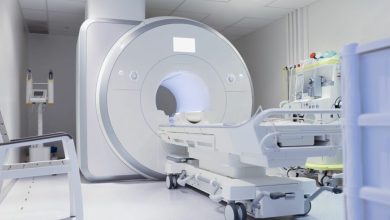
“We are in the process of establishing a large laboratory equipped with modern facilities, including MRI and CT Scan machines. An investor from China has already expressed interest in investing in the hospital,” he said.
He further revealed that JKCI has received requests for collaboration from Congo and Burkina Faso in the areas of cardiovascular services and medical tourism, an initiative expected to boost government revenue and improve healthcare delivery.
On his part, Permanent Secretary in the Ministry of Health, Dr Seif Shekalaghe, said cooperation between the government, religious institutions and the private sector is vital in enhancing health services and ensuring successful preparations for AFCON 2027.
Similarly, Chairman of the ALMC Hospital Board, Mr Peter Maduki, said the partnership between JKCI and the Northern Diocese of the Evangelical Lutheran Church in Tanzania (KKKT) is unique and has significantly contributed to the improvement of health services in Arusha Region and the country at large.