ARMFA adopts UN-backed software to help Africa maintain its road for electric vehicles
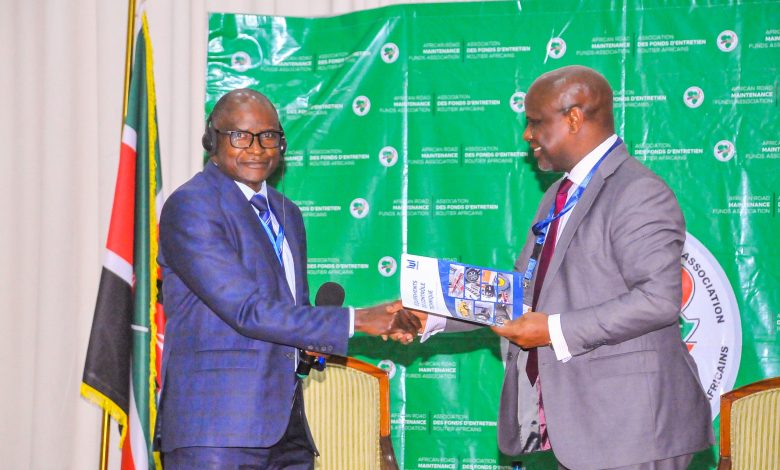
NAIROBI: THE African Road Maintenance Funds Association (ARMFA) has formally received a specialized computer program designed to help African governments forecast and counter declines in road maintenance revenue as electric vehicles (EVs) gain popularity across the continent.
The software, dubbed the Electric Vehicle (EV) Impact Simulator, was developed with technical and institutional support from the United Nations Economic Commission for Africa (UNECA). It was officially handed over yesterday during the ARMFA Annual General Meeting in Nairobi, Kenya.
Across Africa, national road maintenance funds rely heavily on fuel levies charged on petrol and diesel. While the growing shift toward electric mobility supports climate goals and reduces carbon emissions, it threatens to erode the traditional tax base used to repair and upgrade road networks.
During the Nairobi assembly, representatives from three pilot nations Tanzania, Kenya, and Mozambique presented preliminary findings and demonstrated how the simulator operates in practice.
ALSO READ: ARMFA appoints Tanzanian as new president for two-year term
Sharing Tanzania’s experience with the platform, Joshua Mwankunda of the Tanzania Road Fund Board walked delegates through the process of inputting national fleet data and testing alternative policy scenarios. He noted that the tool enables road agencies to project year-on-year revenue losses as motorists transition away from fossil fuels, while evaluating new ways to bridge emerging funding gaps.
Following the technical demonstrations, ARMFA president Rashid Selemani Kalimbaga who also serves as Chief Executive Officer of Tanzania’s Road Fund Board officially accepted the software on behalf of all member states.
Mr. Kalimbaga described the rollout as timely, pointing out that Tanzania and neighboring African economies are undergoing rapid structural shifts in their transport sectors.
“Through this tool, member countries will now be able to devise robust strategies and develop new revenue collection systems from all road users regardless of the type of energy they consume to ensure that road infrastructure continues to serve the community and drive economic development,” he said.