AI training to boost Tanzania’s border efficiency
DAR ES SALAAM: THE Tanzania Immigration Services Department has launched a new initiative to strengthen the use of Artificial Intelligence (AI) as part of efforts to modernise border management, enhance national security, and improve service delivery efficiency.
The initiative includes a specialised training programme designed to equip immigration officers with practical AI skills, enabling smarter and faster decisionmaking at the country’s entry points.
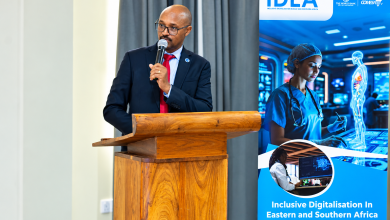
Speaking at the programme’s launch yesterday, Commissioner of Immigration for the Passport Division, Mr Gerald Kihinga said AI is no longer a future concept but a rapidly expanding tool transforming border operations worldwide, including how governments process travellers and assess security risks.
“We are living in an era where technology is rapidly reshaping institutional operations. Artificial Intelligence is already influencing how governments manage borders, analyse data, and enhance national security,” Mr Kihinga said, representing the Commissioner General of Immigration, Dr Anna Makakala.
He added that the department, operating at the frontline of national security and international mobility, must continuously adapt to technological advancements to remain effective and resilient.
“We see AI adoption as critical for improving efficiency, accuracy and integrity. It enhances risk assessment, streamlines decision-making, improves data management, and ultimately delivers better services to the public while safeguarding national interests,” he said.
The AI training programme, sponsored by the High Commission of India, attracted 77 senior staff from the Immigration Department. Mr Kihinga emphasised that professionalism, accountability, and continuous learning remain central to the department’s mission.
ALSO READ: BMH moves to save more lives with new transplant fund
“Investing in the skills and knowledge of our officers is key to ensuring immigration services remain responsive to emerging challenges,” he said.
Speaking at the event, the Indian High Commissioner, Mr Bishwadip Dey, said AI should be viewed as a force multiplier, helping officers make quicker and better decisions under pressure without replacing human judgment.
“AI is not meant to replace officers or weaken their judgment but to support them. Immigration officers carry one of the government’s most demanding responsibilities,” he said.
He noted that Tanzania, as a major tourism and business destination, expects immigration officers to ensure smooth entry for genuine visitors while preventing illegal entry and misuse of the system.
“Every day, you are expected to deliver a seamless experience for genuine visitors while stopping those attempting to enter illegally or exploit the system,” Mr Dey added.