Agriculture stakeholders call for stronger soil health investment
KIGALI, Rwanda: PRIVATE sector players in Africa’s agriculture sector have raised concern over widespread soil degradation, calling for stronger investment, improved fertiliser use and policies that promote sustainable soil management.
The concerns were raised at the ongoing Africa Food Systems Forum 2026 in Kigali, Rwanda, where industry leaders discussed the role of the private sector in restoring soil health and building resilient food systems.
Director General and Chief Executive Officer of the Africa Fertiliser Industry Development Association (AFIDA), Dr Innocent Okuku, said about 60 per cent of Africa’s cropland is estimated to have degraded soils, largely due to poor soil management practices.
He said improving soil health requires a broader approach than simply increasing fertiliser use.
“Fertiliser is neither good nor bad. You can make it good if you use it correctly and you can make it bad if you don’t use it correctly,” Dr Okuku said during an expert discussion on soil health.
AFIDA, which brings together private-sector companies involved in fertiliser manufacturing, importing, distribution and retailing, is promoting soil-health solutions tailored to farmers’ specific needs.
ALSO READ: “Made in Tanzania” brand at the FACIM Fair impresses Mozambique’s former President Nyusi
These include mineral and organic fertilisers, as well as soil amendments such as lime for acidic soils and other products aimed at improving soil properties.
Dr Okuku said the association is also investing in farmer education to ensure fertilisers are used correctly and sustainably. It is further planning a youth-focused soil health programme, expected to be launched in early 2027, to train young people to support smallholder farmers in improving soil health and production.
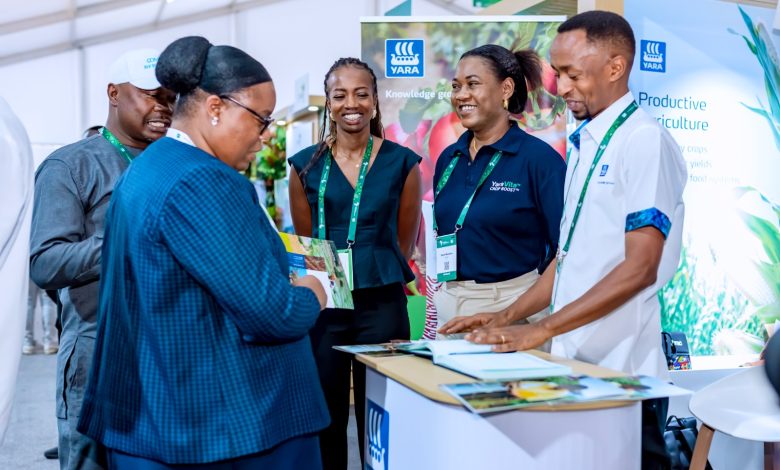
Meanwhile, fertiliser manufacturer Yara International said it is prioritising soil testing and customised crop nutrition solutions to boost farm productivity and ensure farmers apply the right nutrients to their soils.
Yara International’s Director of Government Relations and Public Affairs for Africa, Dr Winnie Ng’ang’a, said the company combines the supply of fertiliser with farmer education on proper crop nutrition and soil management.
She said soil testing helps identify nutrient deficiencies and enables the development of fertiliser solutions suited to particular soils and crops.
Dr Ng’ang’a stressed that mineral and organic fertilisers should complement each other rather than be treated as competing alternatives.
“You cannot work alone,” she said, underscoring the importance of combining different approaches to improve soil health and sustain agricultural productivity.
World Bank Group’s Global Director for Farming and Agribusiness, Mr Anup Jagwani, similarly called for governments to reconsider their role in fertiliser subsidy programmes.
He argued that the private sector is better placed to purchase, store and distribute agricultural inputs, while governments focus on creating enabling policies and effective support mechanisms.
One option discussed was the use of electronic vouchers, which could enable farmers to access subsidised inputs while allowing private companies to participate effectively in supply and distribution.
The discussions come as African countries seek to increase agricultural productivity amid declining external development financing and growing pressure on food systems.