Africa’s rapid urban growth sparks call for resilient, sustainable cities
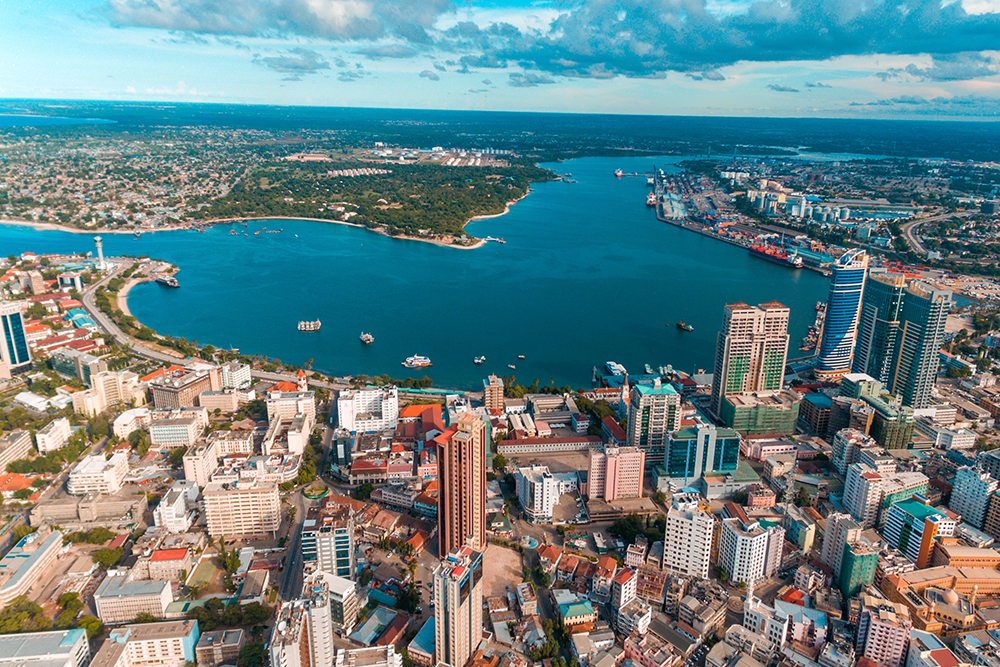
DAR ES SALAAM: WITH Africa experiencing some of the fastest urban growth rates globally, experts are calling for strategic efforts to build resilient and sustainable cities that can withstand environmental, social and economic challenges.
According to the United Nations, Africa’s urban population is projected to double by 2050, putting immense pressure on infrastructure, housing and resources.
This rapid expansion presents opportunities and challenges, making sustainable urban development a critical priority for policymakers, researchers and local communities.
The African Conference on Resilient and Sustainable Cities: Novel Approaches for Development of Resilient and Sustainable Cities in Africa done in Dar es Salaam recently was organised by the African Centre for Sustainable Cities Studies (ACS) at Ardhi University, which aims to unite educators, researchers, practitioners and students to discuss advancements in resilient and sustainable urban development.
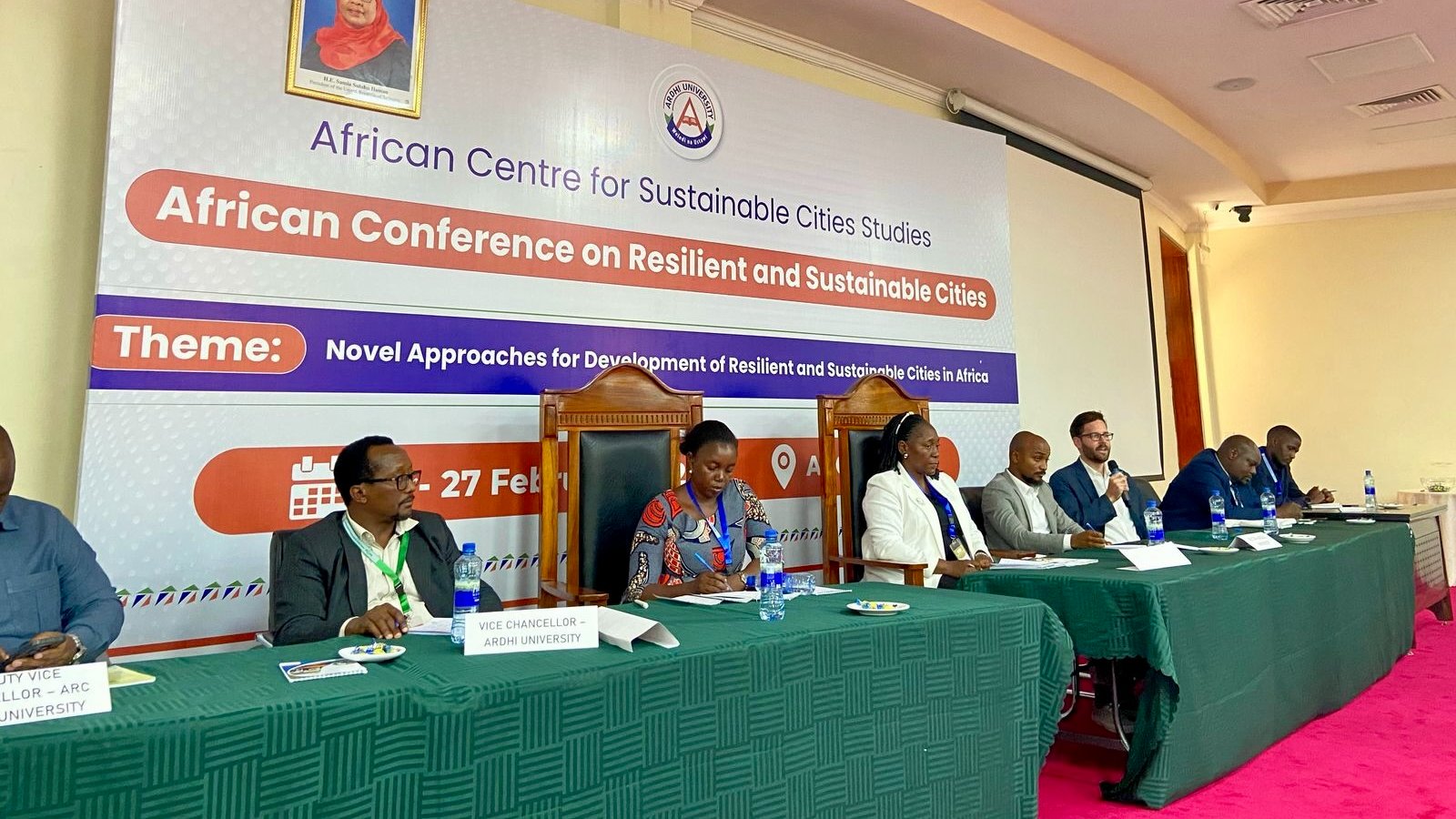
Deputy Permanent Secretary in the Ministry of Education, Science and Technology, Prof Daniel Mushi, said that the current rapid urban growth is accompanied by numerous challenges, including the need for resilient living environments, improved service access and sanitation. He noted that climate change further exacerbates the strain on urban infrastructure.
“The rapid growth of cities today comes with many challenges, including the need for resilient environments, access to services and sanitation. We also recognise that this urban expansion, combined with climate change, poses significant challenges to existing infrastructure,” said Prof Mushi.
With Africa experiencing rapid urbanisation projected to double its urban population by 2050 the need for sustainable and adaptive urban planning has never been more urgent.
Prof Mushi said that the project ACS under the Belgium Embassy focuses on building capacity in African countries to manage the development of resilient and sustainable cities.
He said, “I have received information that approximately 60 experts from Ardhi University will receive scholarships with around 33 for master’s studies and nearly 40 for PhDs and it is valued at 16.2 bn/-.”
“This conference is expected to be very beneficial for our country because experts from 16 countries worldwide will exchange ideas on the best ways to address urban growth and improve city planning,” said Prof Mushi.
ALSO READ: Optimum trail for posterity (Part 2)
Prof Mushi added that the experts pursuing further studies will be a great asset to the country, as they will help develop better urban planning strategies and address the challenges of city resilience.
He said, “we expect to gain significant experience from this event and the experts receiving training through this project will be highly valuable in supporting urban development across our cities,” he said.
Speaking about the project, Ardhi University (ARU) Vice-Chancellor, Prof Evaristo Liwa, said that the project involves 16 countries from Europe, Asia and Africa and ARU is one of the beneficiaries of the project, collaborating with four universities from Belgium and other institutions from various African countries.
“The main expectation from this conference is to exchange experiences, explore innovations and review existing research to understand how it can contribute to urban growth and resilience,” said Prof Liwa.
Prof Liwa said that extensive research has already been conducted in unplanned areas, with a major focus on projecting how cities will evolve over the next 50 or 100 years and that process is known as data simulation, which aims to create cities that meet long-term needs.
He said that urban planners, when making decisions, should know what a city or town will look like in the next 50 years and this will help in revising existing policies and the housing laws and make possible changes.
“We believe that through this project, those who will be trained will greatly assist local authorities and all relevant sectors involved in urban housing. It will also contribute to the development of smart cities, where urban areas will be designed and managed digitally, along with improved transportation systems in cities,” said Prof Liwa.
On his side, Belgium’s Ambassador to Tanzania, Mr Peter Huyghebaert said that the collaboration of four Belgian universities with Ardhi University in Tanzania has advanced the Inter-University Cooperation Project