Africa eyes industrial leap as green mineral demand surges
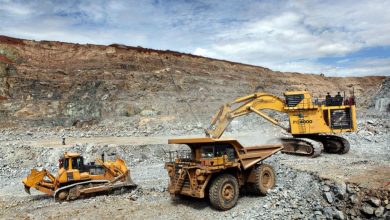
DAR ES SALAAM: AFRICA’S policymakers and industry leaders are pushing to end the continent’s historic role as a raw material exporter, seeking instead, to leverage a global scramble for critical minerals to fuel a domestic industrial revolution.
The push came at a regional forum on harnessing Africa’s critical minerals for green industrialisation, convened by the UONGOZI Institute and the United Nations Economic Commission for Africa ahead of the continent’s 12th Africa Regional Forum on Sustainable Development.
The leaders signalled that the transition to electric vehicles and renewable energy must serve as the catalyst for “green industrialisation” across the continent.
They also called for a shift from exporting raw minerals to building processing and manufacturing capacity, as surging global demand for materials used in clean energy presents what they described as a “once-in-aggeneration” opportunity.
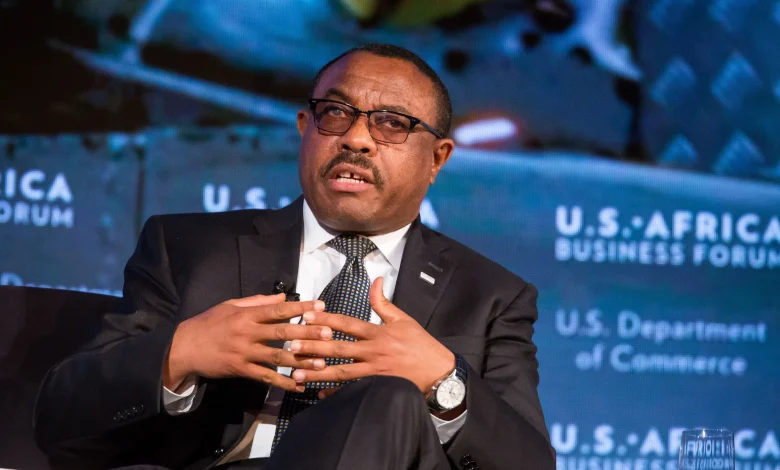
“The central question is no longer whether Africa has the resources, but whether we will use this moment to build industries and secure prosperity,” said former Ethiopian Prime Minister Hailemariam Desalegn at the forum.
The former Ethiopian leader cautioned that Africa must avoid repeating a long-standing pattern of exporting raw materials while importing finished goods.
“The green transition must not become a new chapter of extraction without transformation,” he said.
The former Ethiopian leader also delivered a blunt message to international development partners and investors, signalling tougher terms for green mineral deals.
“Africa seeks a partnership rooted in fairness, not charity,” Hailemariam Dessalegn said.
“The world’s green transition depends on Africa. We expect to be treated as a destination for industrial investment, not merely a source of raw ore.”
Africa holds some of the world’s largest reserves of cobalt, lithium, copper and rare earth elements, key inputs for electric vehicles, batteries and renewable energy systems.
ALSO READ: Africa’s green economy gains strong momentum
Yet much of the value addition still takes place outside the continent, limiting economic gains.
Delegates at the forum emphasised the need to establish refining plants, battery component manufacturing and green metals industries, alongside investments in energy and transport infrastructure to support industrial growth.
The shifting paradigm involves a demand for technology transfer and strategic investment in local infrastructure rather than mere off-take agreements for raw ore.
Leaders noted that as the world’s green transition depends heavily on African reserves, the continent now holds significant leverage to negotiate for local “social licenses” and better tax transparency.
UONGOZI Institute Chief Executive Officer, Kadari Singo said sustained partnerships between African institutions and global stakeholders are critical to translating policy discussions into tangible outcomes.
“Continuity in these engagements is essential to ensure that ideas are not only discussed but implemented in ways that benefit African economies,” he said, citing previous regional dialogues as a foundation for current policy coordination.
A key theme of the meeting was leveraging the African Continental Free Trade Area to build cross-border industrial value chains, allowing countries to specialise in different stages of production, from mining to processing and manufacturing.
Participants also highlighted governance challenges, including illicit financial flows, weak contract negotiation capacity and environmental risks, as barriers to maximising returns from the sector.
Strengthening regulatory frameworks and ensuring transparency in mineral deals were identified as priorities.
The forum precedes a broader continental gathering on sustainable development, where recommendations are expected to feed into policy frameworks aimed at aligning Africa’s resource wealth with climate goals and long-term economic transformation.
Investors and development partners were urged to support technology transfer and local skills development, with African leaders framing the energy transition as a shared global responsibility that must deliver equitable benefits.
“The future of Africa cannot be built on unprocessed minerals,” Hailemariam said. “It must be built on industries, skills and dignity.”