Africa CDC calls for health security overhaul
DAR ES SALAAM: AFRICAN countries need to overhaul the way they approach health security by increasing domestic financing, expanding local production of medical supplies, reforming global health systems and embracing digital technology, the Africa Centres for Disease Control and Prevention (Africa CDC) has said.
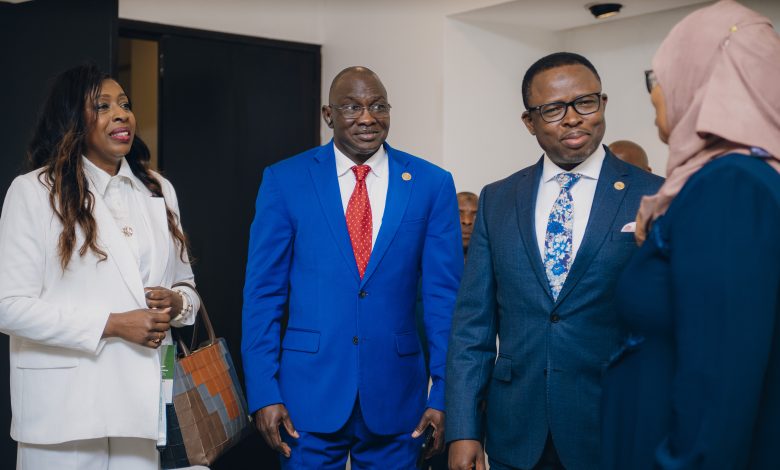
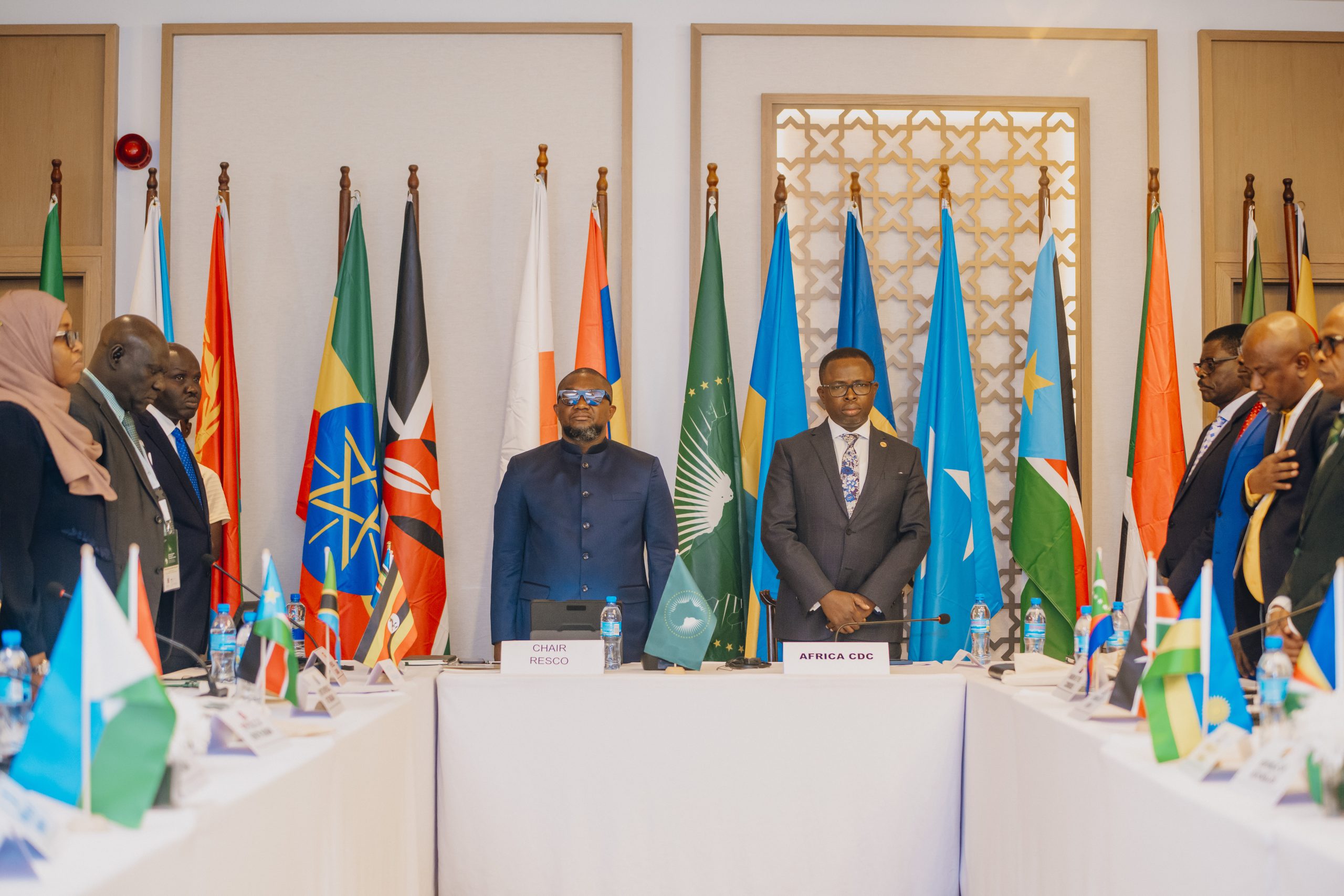
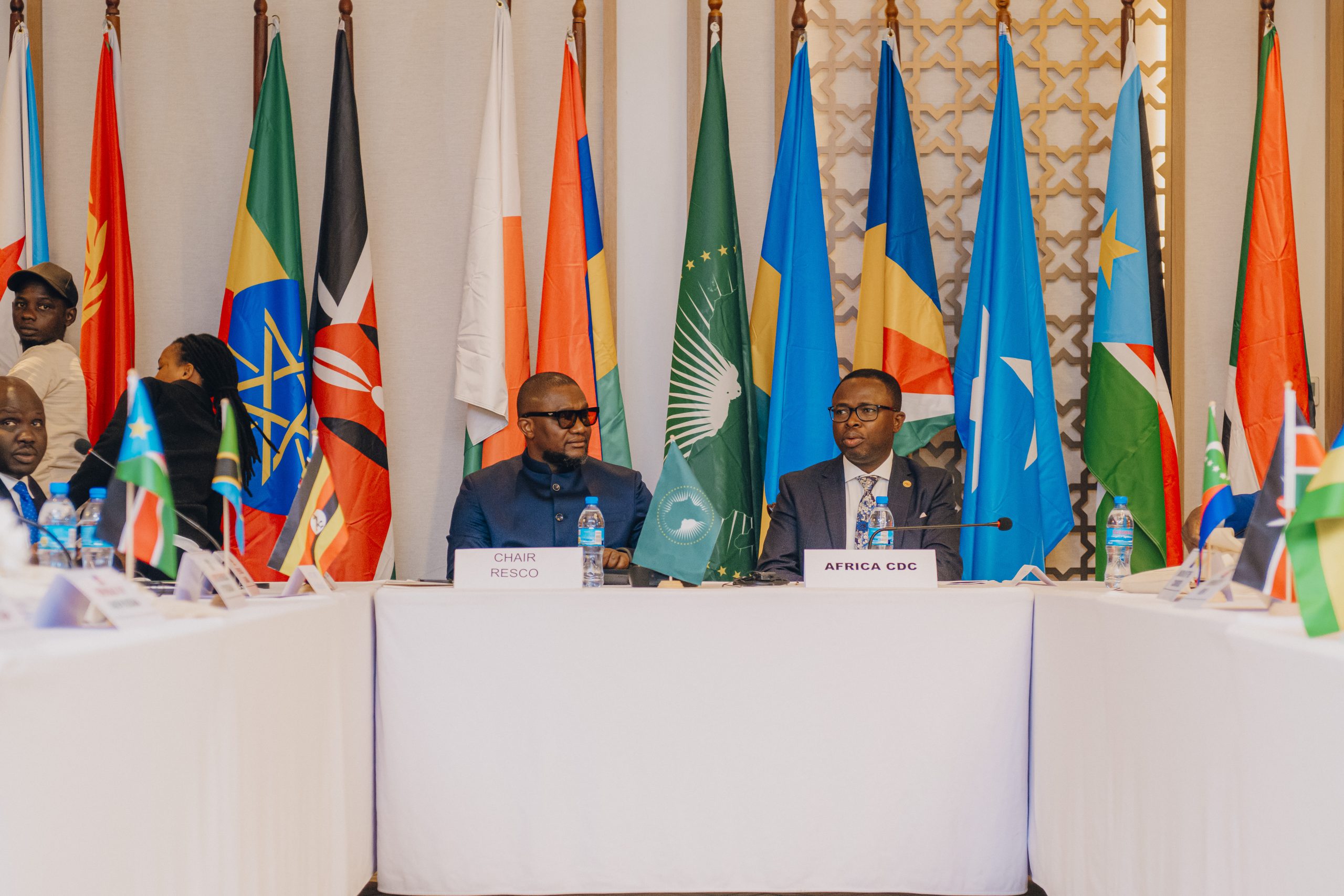
Acting Africa CDC Deputy Director-General Dr Raj Tajudeen made the call while representing the organisation’s Director-General, Dr Jean Kaseya, at the fourth Eastern Africa Regional Ministerial Steering Committee (ReSCO) meeting in Dar es Salaam.
Dr Tajudeen explaomed that Africa could no longer rely on reactive and fragmented responses to health emergencies if the continent was to achieve health security and greater control over its health systems.
“We cannot continue to do the same thing the same way and expect different results. We need to take the bull by the horns and shift from reactive responses to proactive and coordinated action,” he said.
He further said that one of the biggest priorities should be increasing Africa’s capacity to manufacture medicines, vaccines, diagnostics and other essential health products locally.
According Dr Tajudeen, Africa CDC was working with member states to increase local production from less than 10 per cent of the continent’s health product needs to 60 per cent by 2040.
He said achieving that target would require African countries to rethink their place in the global health architecture so that they have a stronger voice in decisions affecting their health systems and reduce unnecessary duplication among development partners.
Alongside local production, Dr Tajudeen called for greater domestic investment in health, urging member states to work towards the Abuja Declaration target of allocating 15 per cent of national budgets to the sector.
He noted that only three African countries had consistently met the target, highlighting the need for governments to treat health financing as a long-term investment rather than an emergency response.
Tanzania, he said, offered an example of what sustained political commitment and investment could achieve, particularly in maternal and child health.
Dr Tajudeen cited a reduction in Tanzania’s maternal mortality ratio from 556 deaths per 100,000 live births about a decade ago to around 103 per 100,000 as evidence that major health challenges can be overcome when governments make them a priority.
“Tanzania has shown Africa and the world that it is possible when we make predictable, sustainable and innovative investment in maternal and child health a priority. With the right political leadership, something we once considered insurmountable is actually doable,” he observed.
ALSO READ: Africa urged to strengthen health sovereignty
He commended President Samia Suluhu Hassan for making maternal and child health a national and continental priority, and urged other countries to draw lessons from Tanzania’s experience.
Dr Tajudeen also called for stronger regional cooperation, including sharing health information, joint disease surveillance, stronger laboratory systems and coordinated preparedness and response.
He said the growing threat of disease outbreaks and other health emergencies made cooperation essential because no country could protect its population in isolation.
“The Africa we want will not be built by speeches alone. It will be built by our collective action,” he said.
Meanwhile, the United Nations has commended Tanzania for its health sector reforms and investment, particularly efforts to expand access to quality healthcare, strengthen primary healthcare and advance universal health coverage.
WHO Representative to Tanzania Dr Alex Gasasira delivered the UN’s message at the ReSCO meeting, praising President Samia for championing the African Union Maternal, Newborn and Child Health Roadmap.
Dr Gasasira said Tanzania’s experience demonstrated how strong national leadership and sustained investment could contribute to progress on Africa’s broader health agenda.
He stressed that health security was a shared responsibility, requiring countries to strengthen preparedness, disease surveillance, laboratory capacity and cross-border coordination as emerging health threats continue to put pressure on national health systems.
“Investing in the health of women, newborns and children is among the most powerful investments any nation can make because it saves lives, strengthens human capital, reduces inequalities and supports sustainable development,” he said.