Africa calls for urgent climate, wildlife action
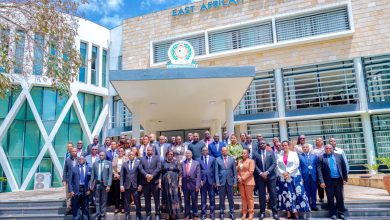
DAR ES SALAAM: AFRICA’S top forestry and wildlife authorities have opened the 25th Session of the African Forestry and Wildlife Commission (AFWC25) and the 9th African Forestry and Wildlife Week (AFWW9) in Banjul, issuing strong calls for accelerated continental action to confront climate change, forest loss and threats to wildlife.
The week-long gathering, hosted by the government of The Gambia in partnership with the Food and Agriculture Organisation of the United Nations (FAO), has drawn senior policymakers, scientists, UN agencies and conservation practitioners from across Africa.
Delivering remarks on behalf of the FAO Director-General, the FAO Assistant Director-General and Regional Representative for Africa, Dr Abebe Haile-Gabriel, commended the Gambia’s leadership in forest restoration and sustainable landscape management.
He said that FAO will continue supporting countries through forest monitoring, mangrove protection, the Great Green Wall and community conservation programmes. However, he warned that the continent is under intensifying climate pressure.
“Africa needs innovative financing, stronger policies and coordinated regional action to safeguard its natural resources. This session carries a responsibility for us to shape a more climate-resilient future,” said Dr Haile-Gabriel.
On her side, Resident Representative of UNDP in Gambia, Ms Mandisa Mashologu, said climate impacts are already disrupting water security, food supplies and livelihoods across the continent.
She said that UN will support for early-warning systems, disaster-risk preparedness, renewable energy and ecosystem restoration.
ALSO READ: Tanzania wows 120 US travel agents with wildlife, culture
“Investment in early-warning systems and disaster-risk preparedness is critical for saving lives and reducing economic losses. By providing accurate and timely information about potential hazards such as floods, storms, or droughts, governments and communities can take preventive measures to protect people, property, and livelihoods,” she said.
She added: “This proactive approach reduces the impact of disasters, ensuring that communities recover faster and more effectively. Support for renewable energy is vital in the global effort to combat climate change. Transitioning from fossil fuels to clean energy sources reduces greenhouse gas emissions, mitigates environmental damage, and promotes sustainable development.”
Ecosystem restoration plays a crucial role in maintaining biodiversity, protecting water sources, and reducing the effects of natural disasters.
Healthy ecosystems act as natural buffers against floods, landslides and extreme weather, while also supporting agriculture, fisheries and local livelihoods.