Africa advised to measure its progress through benefits delivered to its citizens not number of deals signed

DAR ES SALAAM: DEVELOPMENT stakeholders have called on African countries to measure the success of regional cooperation by tangible benefits delivered to citizens rather than the number of agreements signed.
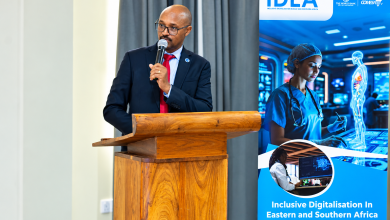
The call was made during a panel discussion held on the sidelines of the Africa50 Annual General Shareholders Meeting and the Africa Infrastructure Forum, where participants stressed that Africa’s infrastructure ambitions would only be realised if the continent reduced its reliance on external financing and increasingly funded its development through domestic resources and capital.
The participants said African countries should deepen regional integration by fully implementing the African Continental Free Trade Area (AfCFTA), advancing the African Union’s Agenda 2063 and investing in cross-border infrastructure to facilitate trade and accelerate economic growth.
They, however, noted that while numerous strategies and cooperation agreements have been adopted across the continent, greater emphasis should now be placed on assessing their actual impact.
ALSO READ: Govt pledges continued collaboration with development stakeholders
According to the participants, African governments should evaluate whether such partnerships have accelerated access to development financing, strengthened productive capacity and improved the livelihoods of citizens.
They further stressed that Africa must take the lead in determining its own development priorities, with development partners playing a supportive role by aligning their assistance with the continent’s strategic goals rather than directing them.
The stakeholders also observed that the success of the African Continental Free Trade Area will depend not only on removing cross-border trade barriers but also on the ability of African countries to produce sufficient goods to meet demand within the continental market.
They said substantial investment in manufacturing, infrastructure and domestic sources of finance would be critical to expanding production capacity and improving the competitiveness of African products in the single African market.