AFDP brings fortunes to Manyara region’s farmers in Endakiso, Orng’adida villages
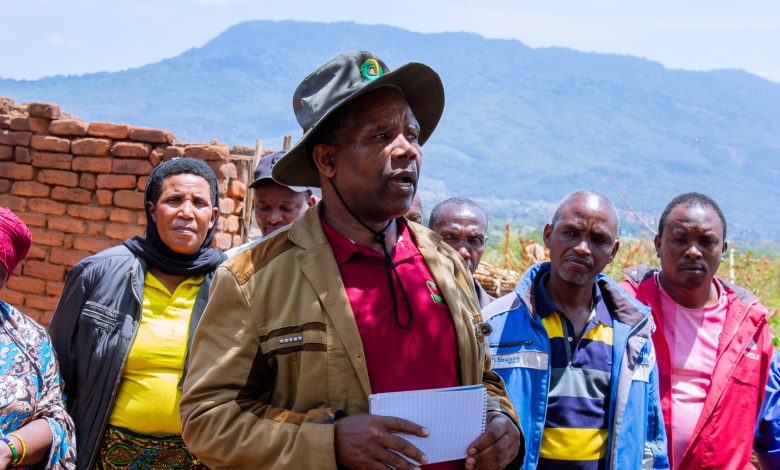
BABATI: FARMERS from Endakiso and Orng’adida villages in the Babati District Council, Manyara Region, have reported benefiting from the Agriculture and Fisheries Development Programme (AFDP).
The programme is funded by the International Fund for Agricultural Development (IFAD) in partnership with the government and is coordinated by the Prime Minister’s Office (Policy, Parliament, Coordination, and Persons with Disabilities).
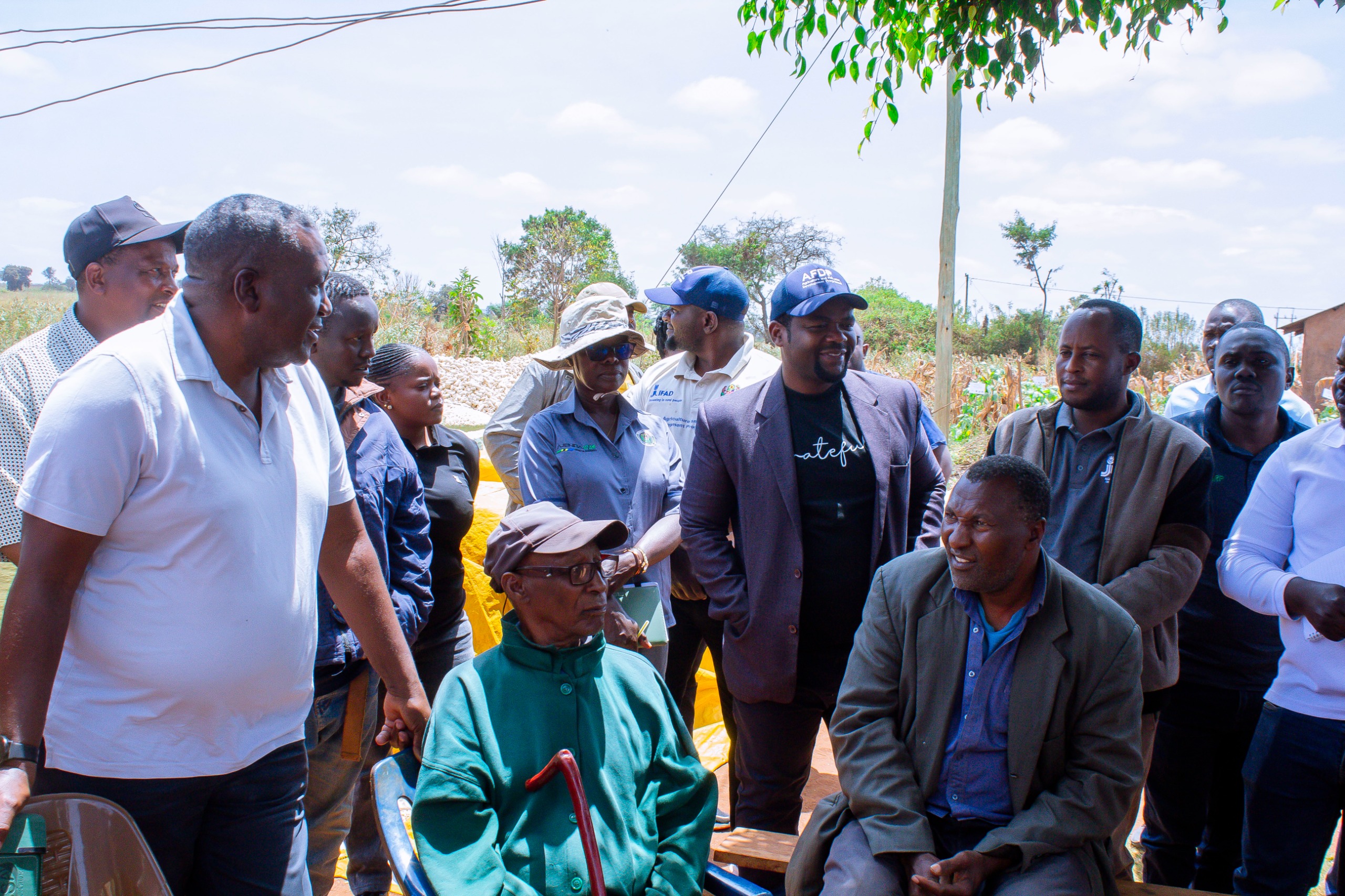
Farmers from the villages shared these experiences on September 4th during a visit by an IFAD team conducting a Mid-Term Review (MTR) of the programme’s implementation progress. The farmers highlighted that, the programme has introduced modern integrated farming technologies, utilizing resilient seeds capable of withstanding the impacts of climate change.
Speaking during the visit, Mr Ramadhani Iddi Mfumbilo, a farmer from Mkombozi Village in Endasiko Ward, stated that through this programme, farmers have obtained “Situka” maize seeds and fodder seeds. These have been planted alongside other crops such as lablab which help enrich the soil and prevent erosion.
“These plants are also unpalatable to livestock like cattle therefore, if livestock stray into a farmer’s field, they are unlikely to eat or destroy the crops, and the plants also repel crop destroying pests,” he further explained. He noted that these nutrient rich seeds have significant potential to improve family health particularly for children, pregnant women, parents, and the elderly and have helped reduce malnutrition among children.
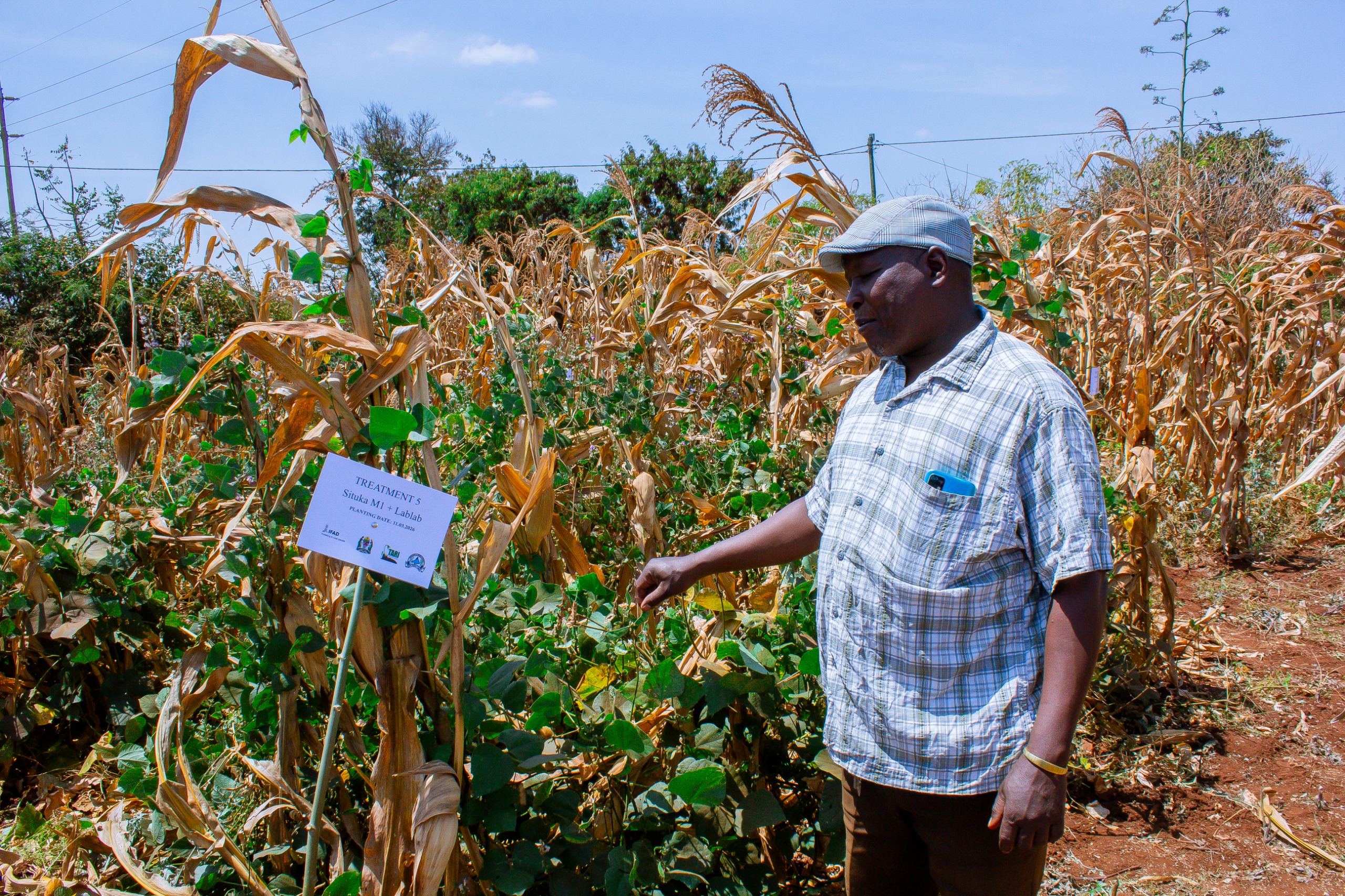
Furthermore, speaking about legume varieties specifically the ‘Jesca’ bean he stated that these seeds contain vital and unique nutrients, especially beneficial for children.
ALSO READ: Tanzania’s digital education transformation begins with the teacher
For her part, Ms. Naseriani Joseph—a farmer from Orng’adida Village in Qash Ward who cultivates nutritious crops in home gardens (commonly known as kitchen gardens stated that, through the AFDP program, farmers gained knowledge and access to high quality seeds for home grown nutritious crops. She noted numerous benefits, including the availability of vegetables at home, support for school going children and the family as a whole, improved family health, and increased income.
“We women are able to meet our essential needs through this type of farming specifically regarding vegetables and legumes. We received education on nutrient rich beans and obtained the seeds, which we have since planted. These improved beans are rich in nutrients and iron, leading to better family health. I urge the government to increase the supply of these seeds, as they are currently scarce and produced in limited quantities in our ward,” she said.
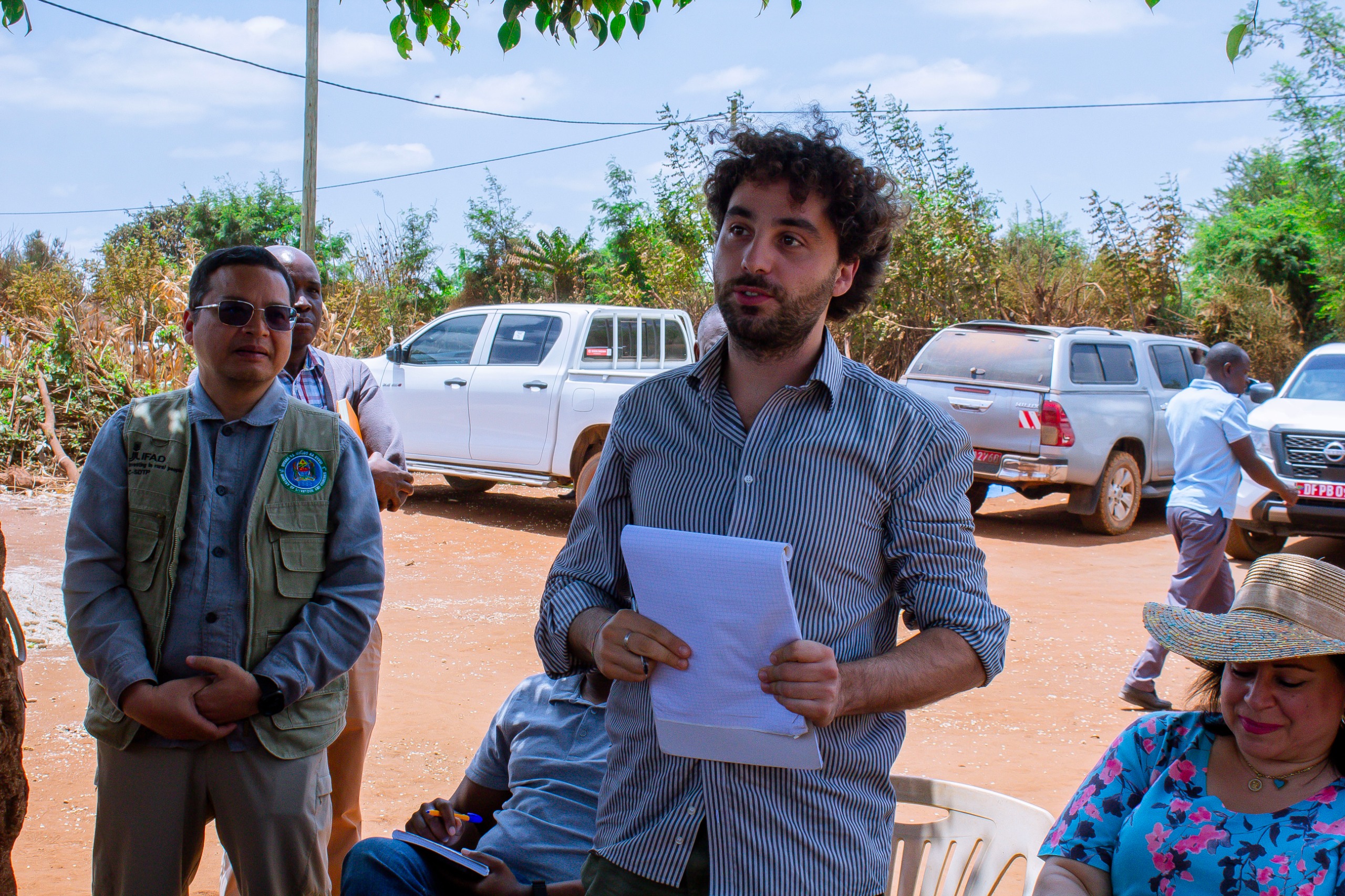
The experts are continuing their tour by visiting various locations across the country where the program is being implemented in the agriculture and fisheries sectors.