AfDB unveils plan to cushion Africa from energy, fertiliser shocks
AFRICA: THE African Development Bank (AfDB) has unveiled a financing response of up to 5.1 billion US dollars to help African countries absorb the economic impact of rising energy and fertiliser prices amid an intensifying global supply shock.
The Bank’s Board of Directors approved the Global Energy and Fertilizer Crisis Response Framework (GEFCRF) recently, creating a temporary financing mechanism aimed at providing rapid support to countries facing higher import costs, supply disruptions and growing pressure on food and energy security.
The initiative comes as renewed instability in the Middle East continues to reverberate through global commodity markets, exposing African economies to higher prices for fuel, fertilisers, food and other essential imports.
For many African countries, the shock is particularly severe because of their dependence on imported energy and agricultural inputs.
Rising international prices can quickly translate into higher transport costs, increased food production expenses, wider fiscal pressures and stronger inflationary pressures on households and businesses.
Under the new framework, the AfDB Group will mobilise an additional 4.1 billion US dollars in African Development Bank lending, alongside up to 960 million dollars from the African Development Fund (ADF), the Group’s concessional financing arm.
The additional resources will raise the Bank Group’s 2026 lending target to approximately 12.7 billion dollars, allowing it to provide targeted assistance to countries affected by the crisis while also supporting longer-term measures to strengthen their resilience.
The Bank said the framework is designed not simply as an emergency response, but as a bridge between immediate crisis management and longer-term economic resilience.
“Building on successful experiences from the Bank’s COVID-19 Response Facility and the African Emergency Food Production Facility,” the framework is intended to provide immediate relief while laying the foundations for stronger, more self-reliant and resilient African economies.
This dual objective is important for a continent where external shocks can have consequences well beyond the initial rise in commodity prices.
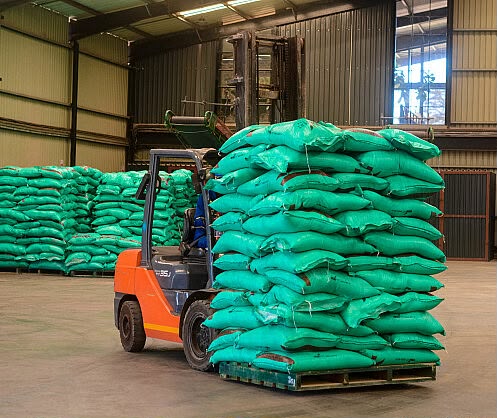
Higher fertiliser costs, for example, can discourage farmers from applying adequate quantities of inputs, potentially reducing crop yields and increasing food prices.
Higher fuel prices can raise the cost of transporting agricultural produce from farms to markets, while also increasing operating expenses for manufacturers, retailers and logistics companies.
ALSO READ: TZ strong GDP growth to create wealth, reduce poverty – AfDB
The combined effect can put pressure on household incomes and business margins at the same time. Energy-importing countries are particularly vulnerable because a sustained rise in international oil and gas prices can increase import bills and put pressure on foreign exchange reserves.
Governments may also face difficult choices between absorbing higher costs through subsidies, passing them on to consumers or redirecting public spending to protect vulnerable groups.
The AfDB’s response therefore seeks to address both the immediate financing gap created by the shock and some of the structural weaknesses that leave economies exposed to international price movements.
The framework will be demanddriven, with support tailored to the level and nature of vulnerability in individual countries.
This means countries will not necessarily receive identical assistance, but will be assessed according to their specific exposure and financing needs.
The Bank said the response will combine appropriate financial and policy measures to help affected countries manage the immediate consequences of the crisis.
The approach also reflects lessons from previous emergencies. The AfDB’s COVID-19 Response Facility demonstrated the importance of rapidly deploying financial resources when economies face sudden external disruptions.
Similarly, the African Emergency Food Production Facility was designed to help countries respond to food supply challenges by supporting agricultural production and reducing dependence on imported food.
The new framework seeks to apply those lessons to the current energy and fertiliser shock. The challenge, however, extends beyond prices.
Disruptions to global trade routes and logistics are compounding the pressure on African economies. Key maritime corridors remain critical for the movement of fuel, fertiliser, food and manufactured goods into and across the continent.
When those routes are disrupted, shipping costs can rise, deliveries can be delayed and supply chains can become less predictable.
For businesses operating with limited working capital, delays and higher freight costs can quickly become a significant financial burden.
The situation also highlights the vulnerability created by Africa’s continued dependence on external suppliers for critical commodities.
For policymakers, the immediate priority is to protect food and energy security. But the longer-term lesson is the need to strengthen domestic and regional production capacity, diversify energy sources, improve agricultural productivity and develop more resilient supply chains.
The AfDB framework could therefore become an important financing instrument not only for cushioning the current shock but also for supporting investments that reduce exposure to future disruptions.
The response is, however, temporary. It will remain in force for one year from the date of the Board’s approval and will be reviewed before any possible extension.
That timeframe places pressure on governments and institutions to identify urgent priorities and deploy available resources efficiently.
For African businesses, farmers and consumers, the success of the initiative will ultimately depend on how quickly financing translates into practical relief.
Access to affordable fertiliser, reliable energy supplies and functioning transport networks will be critical to limiting the effects of the crisis on production and household costs.
For governments, meanwhile, the framework offers additional financial space at a time when many economies are already managing high debt-service obligations and constrained fiscal resources.
The latest initiative also reinforces the growing role of development finance institutions in helping African economies manage shocks that originate beyond the continent’s borders.
While the immediate challenge is rising energy and fertiliser costs, the broader issue is economic resilience. Africa cannot control global oil prices, geopolitical tensions or disruptions along international shipping routes.
But stronger domestic production, diversified energy systems, deeper regional trade and more resilient agricultural value chains can reduce the extent to which such shocks are transmitted to African households and businesses.
The AfDB’s 5.1 billion-dollar response therefore comes at a critical moment. Its immediate purpose is to cushion economies from another external shock. Its longer-term test will be whether the financing helps countries move from repeatedly managing crises to becoming better prepared for the next one.