Adolescent-led climate action to benefit over 100,000 girls, boys

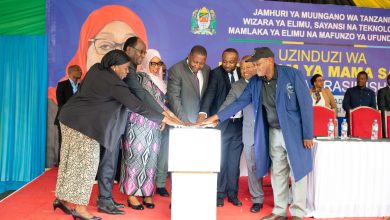
ZANZIBAR: THE government of Zanzibar, in collaboration with the Education Above All (EAA) Foundation and UNICEF, yesterday launched a transformative climate action initiative to equip over 100,000 adolescents and youths with the knowledge and skills to address climate change and drive sustainable development.
The initiative, ‘YouthLed Climate Change Actions for Sustainable Development in Zanzibar’, will be implemented in 216 secondary schools across all 11 districts of Zanzibar, both in Unguja and Pemba islands.
With 3.5 million US dollars co-funded by UNICEF and EAA Foundation, with support from the Qatar Fund for Development (QFFD), the initiative targets more than 110,000 secondary school students and 5,600 out-of-school youth aged 15- 24, empowering them to be part of climate adaptation, resilience and mitigation efforts.
Launched on Earth Day 2025, the initiative aligns with this year’s global theme ‘Our Power, Our Planet’— placing young people at the centre of climate action.
Through training in renewable energy, water conservation, waste recycling and greening initiatives, it empowers adolescents to turn knowledge into action and lead the transition to a greener, more resilient future.
The initiative also seeks to integrate climate change education into the secondary school curriculum, build knowledge among out-ofschool youth and mobilise young people to lead greening efforts in their communities—advancing Zanzibar’s goals for climate resilience, sustainable development and a healthy environment for all children.
“Integrating climate change education into our curriculum is a significant step towards sustainable development.
By involving our young people in practical climate actions, we are fostering a generation that is environmentally conscious and prepared to lead Zanzibar towards a greener future,” said Zanzibar’s Minister for Education and Vocational Training Ms Lela Muhamed Mussa when elaborating on the initiative that will be implemented under the overall coordination of the ministry.
The initiative will focus on five key areas: food security, water conservation, renewable energy, waste management and forestation.
Adolescents will engage in hands-on activities such as improved agricultural practices, energy-efficient solutions, tree planting and water conservation efforts—helping them build practical skills with long-term benefits for their communities.
In addition to benefiting adolescents and young people, the initiative will directly train more than 800 adults, including teachers, head teachers and local administrators and will lead to benefits for facilitators, community members and local businesses.
Collaborative efforts with local leaders will ensure inclusive approaches and stronger community ownership of youth-led climate actions.
“At Education Above All Foundation, we believe young people are not just beneficiaries of climate action—they are its driving force. This initiative puts adolescents, both in and out of school, at the heart of sustainable development, equipping them with the skills to build greener communities and resilient futures. By investing in climate education today, we are empowering a generation to protect their environment and lead transformative change across Zanzibar and beyond,” said Abdulla Al Abdulla, Executive Director of ROTA programme.
Through this initiative, adolescents and youth across Zanzibar will not only gain the tools to tackle climaterelated challenges but also explore economic opportunities within the growing green and blue economies.
“Zanzibar faces various climate change vulnerabilities—from rising sea levels to coastal erosion and erratic rainfall—that threaten communities and livelihoods,” said Elke Wisch, UNICEF Representative to Tanzania.
“By equipping children and young people with practical skills, this initiative gives them the tools to lead climate action and drive sustainable change from the ground up, while helping build a more resilient and sustainable future for all. UNICEF stands with children and young people of Zanzibar and together with the Government and our partners, we will continue to unleash their potential to shape a greener, stronger future.” UNICEF is on the ground in over 190 countries and territories to help children survive and thrive, from early childhood through adolescence.
The world’s largest provider of vaccines for developing countries, UNICEF supports child health and nutrition, good water and sanitation, quality basic education for all boys and girls and the protection of children from violence, exploitation and AIDS.
UNICEF is funded entirely by the voluntary contributions of individuals, businesses, foundations and governments.