A new dawn for Tanzania’s food systems — Led by YEFFA’s rising youth wave
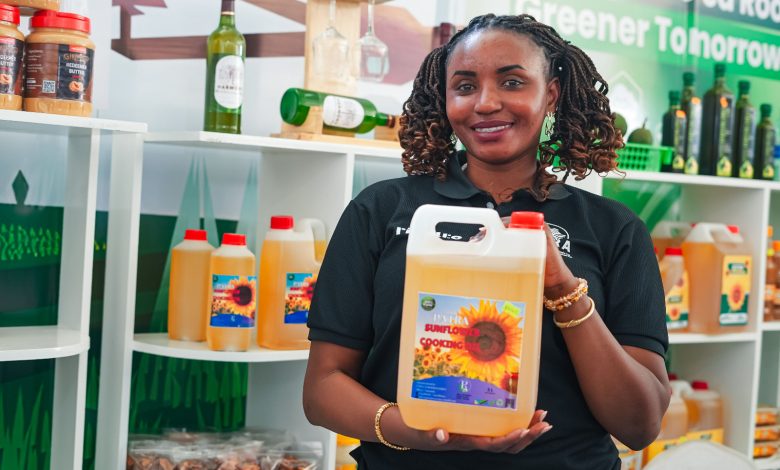
MBEYA: The highlands of Mbeya have always been rich with promise from the fertile land, but today that promise carries a different kind of energy.
It is the energy of young Tanzanians who are stepping forward to redefine what agriculture can be, not as a last resort, but as a pathway to dignity, enterprise, and a future they can shape with their own hands. And at the heart of this rising wave is a young woman who turned a small dream into a new standard.
Cleopatra Kuniberty Limandora never imagined she would become an agripreneur. Armed with a Diploma in IT from SAUTI University, she once pictured herself working in an office, building a career behind a computer. Instead, she found herself at home, jobless and restless, wondering what her next step would be. That space between uncertainty and ambition became the soil where her journey quietly began.
With just TShs 300,000, barely enough to start anything meaningful, she took a leap. She bought a few bottles and ingredients and began making banana wine from her mother’s kitchen. It was improvised, homemade, and far from perfect, but it was hers. What she didn’t realize was that this small experiment was planting the first seed of a business that would one day employ 17 young people.
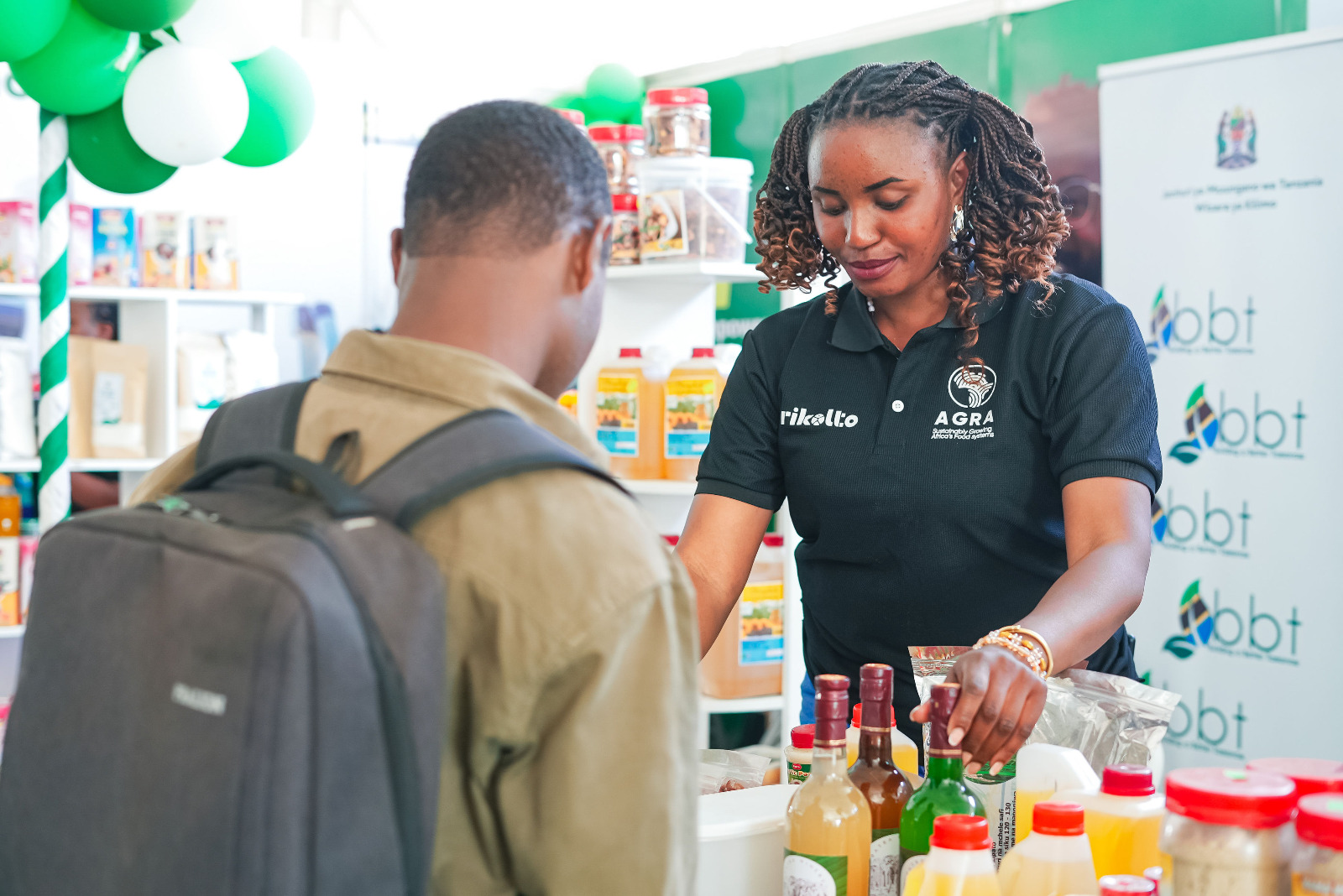
Her turning point came when she joined the Youth Entrepreneurship for the Future of Food and Agriculture (YEFFA) program under AGRA. What she found there was more than training. She found perspective, clarity, and a new understanding of the world she was stepping into but she got support and market networks.
“YEFFA showed me that agriculture isn’t just farming,” she says. “It’s value, it’s innovation, it’s business. And I realised I could build something real.”
That shift in mindset changed everything. What began as banana wine soon expanded into banana crisps, then potato crisps, and later a line of spices. Today, Cleopatra produces sunflower cooking oil as well — a product now reaching major markets in Dar es Salaam, Morogoro, Dodoma, Iringa and Songwe. All within a single year.
Her company, PATRA Agroprocessing, has become more than a business. It is a place where youth — especially young women — come to learn, work, and grow. Girls who once doubted their path now find themselves in a space built by someone who understands exactly what it feels like to start with very little.
“Where I come from, many girls let go of their dreams because opportunities pass them by,” Cleopatra says. “But YEFFA made us believe we belong here. We can lead. We can build.”
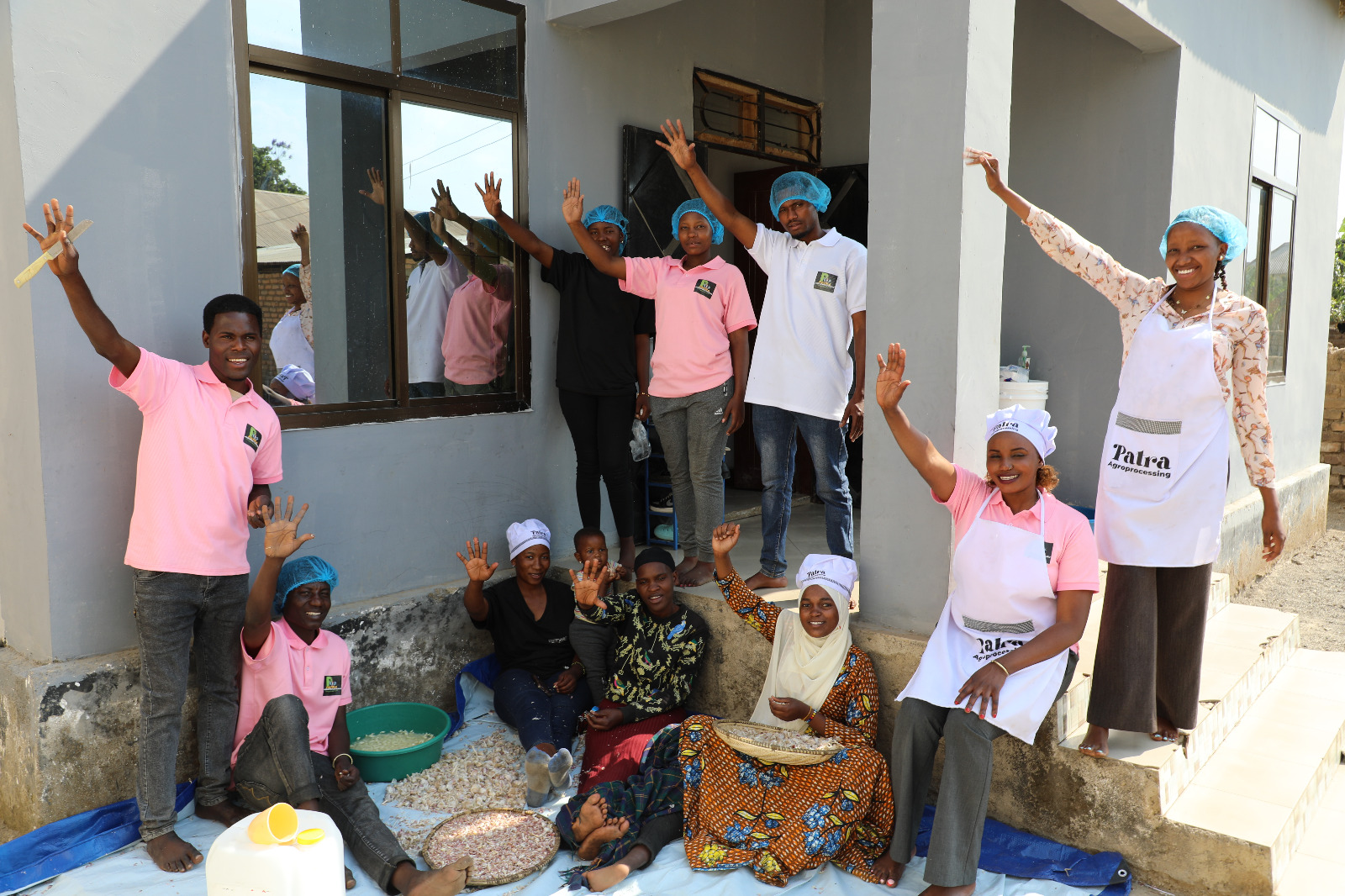
She now works closely with smallholder farmers across the region, buying raw materials directly from them and guiding them on better agricultural practices to improve quality. The relationship goes beyond business — it is partnership, one that strengthens her supply chain while lifting the farmers she depends on.
ALSO READ: Kilombero Sugar, Ifakara firm, agree to provide free food to school children
This is what YEFFA under AGRA has unlocked across Tanzania: the confidence of youth who no longer wait for jobs, but create them; the determination of young women who step into spaces once closed off to them; and the creativity of a generation turning crops into value-added products, ready for national and regional markets.
In a country where hundreds of thousands of young people enter the labour market each year, the importance of such programs cannot be overstated. YEFFA has become both a compass and a catalyst, a guide that helps youth find direction, and a spark that helps them believe.
For Cleopatra, that spark is now a flame. She speaks with pride about her team, about her expanding markets, and about the money circulating through her business. But her greatest pride lies in something deeper: the knowledge that she has opened a door for others, especially girls who need to see someone like them succeed.
“Agribusiness gave me independence,” she says. “It gave me a sense of purpose. It gave me my future.”
Today, as Tanzania’s food systems evolve, youth-led enterprises like Cleopatra’s are steering that change with boldness and imagination.

They are showing that the future of agriculture will not be built by chance or tradition alone — but by a rising wave of young minds empowered, trained, and ready to lead.
And somewhere in Mbeya, surrounded by the hum of machines and the scent of spices and sunflower oil, Cleopatra stands as proof that when youth rise, a nation rises with them.