Strengthening Tanzania-Russia ties: Education, culture and trade
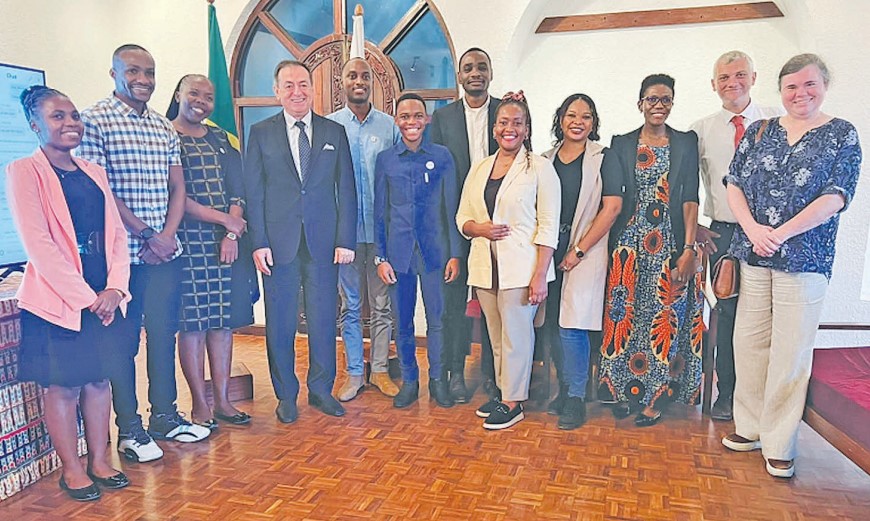
TANZANIA: THE bilateral relationship between Tanzania and Russia has seen notable growth in recent years, marked by significant strides in education, cultural exchange and trade. The Russian Ambassador to Tanzania, Andrey Avetisyan, has been vocal about Russia’s commitment to deepening this partnership.
In an interview with ‘Sunday News’, Ambassador Avetisyan highlighted Russia’s plan to increase the number of scholarships offered to Tanzanian students, reflecting the growing collaboration between the two nations.
One of the key areas of cooperation between Russia and Tanzania is education. The Russian government has shown a strong commitment to providing Tanzanian students with opportunities to study at Russian universities.
Ambassador Avetisyan announced that Russia intends to increase the number of scholarships for Tanzanian students, targeting 150 scholarships, up from 90 per year in the past two years. This marks a significant increase in the opportunities available for Tanzanian youth to pursue higher education in Russia.
The ambassador underscored that the decision to offer more scholarships stems from the exceptional qualities exhibited by Tanzanian students. “Tanzanian students have demonstrated exceptional character, discipline and academic excellence. This is a reason enough for us to offer more scholarships,” Avetisyan remarked.
Over the past few years, more than 350 Tanzanian students have pursued undergraduate, master’s and doctoral degrees in Russia, further cementing the growing educational ties between the two nations.
The Russian government also urged Tanzanian students to explore a broader range of academic disciplines. While many Tanzanian students traditionally opt for studies in medicine and engineering, Ambassador Avetisyan encouraged students to consider other fields, including arts, economics and social sciences, which are also available at Russian universities.
“Russia offers a wide range of courses and I urge Tanzanian students not to limit themselves to just the sciences,” he said. This expanded focus on academic opportunities is expected to provide Tanzanian students with a diverse and enriching educational experience.
In addition to educational opportunities, the two nations have also invested in language and cultural exchange. Russian language courses are now offered in several universities in Russia. This exchange is seen as a reflection of the strengthening cultural ties between the two countries.
Currently, five major Russian universities offer Kiswahili courses, including Moscow State University, Moscow State Institute of International Relations, Saint Petersburg State University, Kazan Federal University and Samara State University.
The ambassador expressed pride in this achievement, stating that the teaching of Kiswahili in Russia is a testament to the growing friendship between the two nations.
“This is a good direction for our friendship,” he said. Additionally, several schools in Moscow have also begun teaching Kiswahili, further solidifying the cultural exchange between Russia and Tanzania.
The Russian Cultural Centre in Tanzania has played an instrumental role in facilitating cultural dialogue. The centre has been translating Russian literature into Kiswahili, staging performances that showcase Russian culture.
These performances, which draw significant audiences, have become a popular platform for Tanzanians to engage with Russian culture through literature, drama and music. Moreover, the centre has extended its outreach by offering language classes to professionals working in the hospitality sector in Zanzibar. This initiative reflects the broader effort to promote bilateral cultural understanding.
The relationship between Tanzania and Russia is not limited to education and language exchange. Over the past year, the two nations have expanded their cooperation in key areas such as energy, agriculture, tourism, logistics and transportation. Ambassador Avetisyan noted that there have been numerous meetings between the two countries to explore opportunities for investment and trade in these sectors.
According to the Bank of Tanzania’s latest annual report, trade between Tanzania and Russia has grown significantly. Imports from Russia more than doubled from 303.2 bn/- in 2021/22 to 778.4 bn/- in 2022/23. While Tanzania’s exports to Russia saw a slight increase of 0.6 per cent, from 16.5 bn/- to 16.6 bn/-, the growth in imports indicates a burgeoning trade relationship.
At the Second RussiaAfrica Conference held in July 2024, Dr Godwill Wanga, Executive Secretary of the Tanzania National Business Council (TNBC), pointed out that trade and investment between Russia and Africa stand at approximately 20 billion US dollars, a figure lower than that of other countries such as India or Turkey.
He stressed the importance of strengthening relations between Tanzania and Russia to boost trade, investment and political cooperation. Efforts to enhance the exchange of goods between the two countries have already been made, with roundtable meetings held to discuss improving the trade flow of commodities such as cashew nuts and coffee.
Looking ahead, both nations are eager to continue deepening their partnership. Discussions are already underway with Tanzanian universities, including the University of Dodoma and the University of Dar es Salaam, to establish permanent programmes for teaching Russian language and culture.
In the University of Dodoma, some classes have already begun and the University of Dar es Salaam is expected to launch its own Russian language programme in the near future. This will allow Tanzanian students to gain more access to Russian language studies and deepen their understanding of Russian culture.
The continued collaboration between Tanzania and Russia, particularly in education, cultural exchange and economic investment, signals a bright future for both nations. By expanding educational opportunities, fostering cultural understanding and working together to grow trade and investment, Tanzania and Russia are laying the foundation for a stronger, more resilient partnership in the years to come.
ALSO READ: Russia’s openness to Tanzania and African peoples
The growing relationship between Tanzania and Russia is a testament to the power of education, cultural exchange and economic collaboration. With initiatives such as increased scholarships for Tanzanian students, language exchange programmes and expanding economic ties, both nations are well-positioned to deepen their cooperation in the future.
The commitment of Russian Ambassador Andrey Avetisyan to enhance educational opportunities and strengthen bilateral ties reflects the long-term vision of both countries to build a lasting and mutually beneficial partnership. As the collaboration continues to flourish, Tanzania and Russia stand as examples of how diplomatic ties can be strengthened through shared interests and respect for each other’s cultures