New push for clean energy
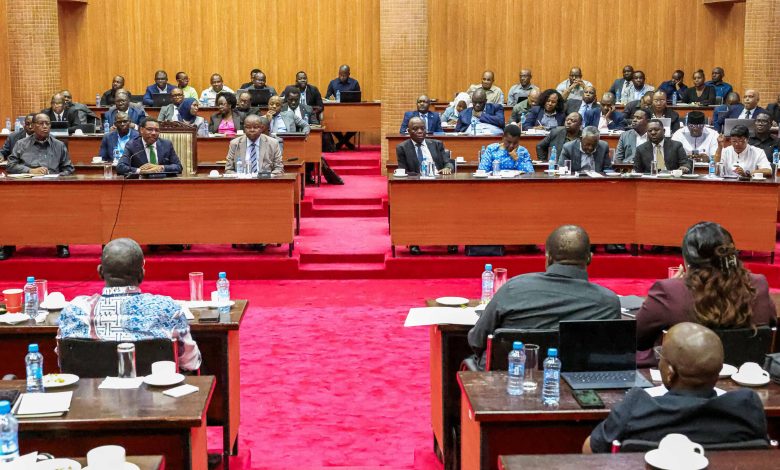
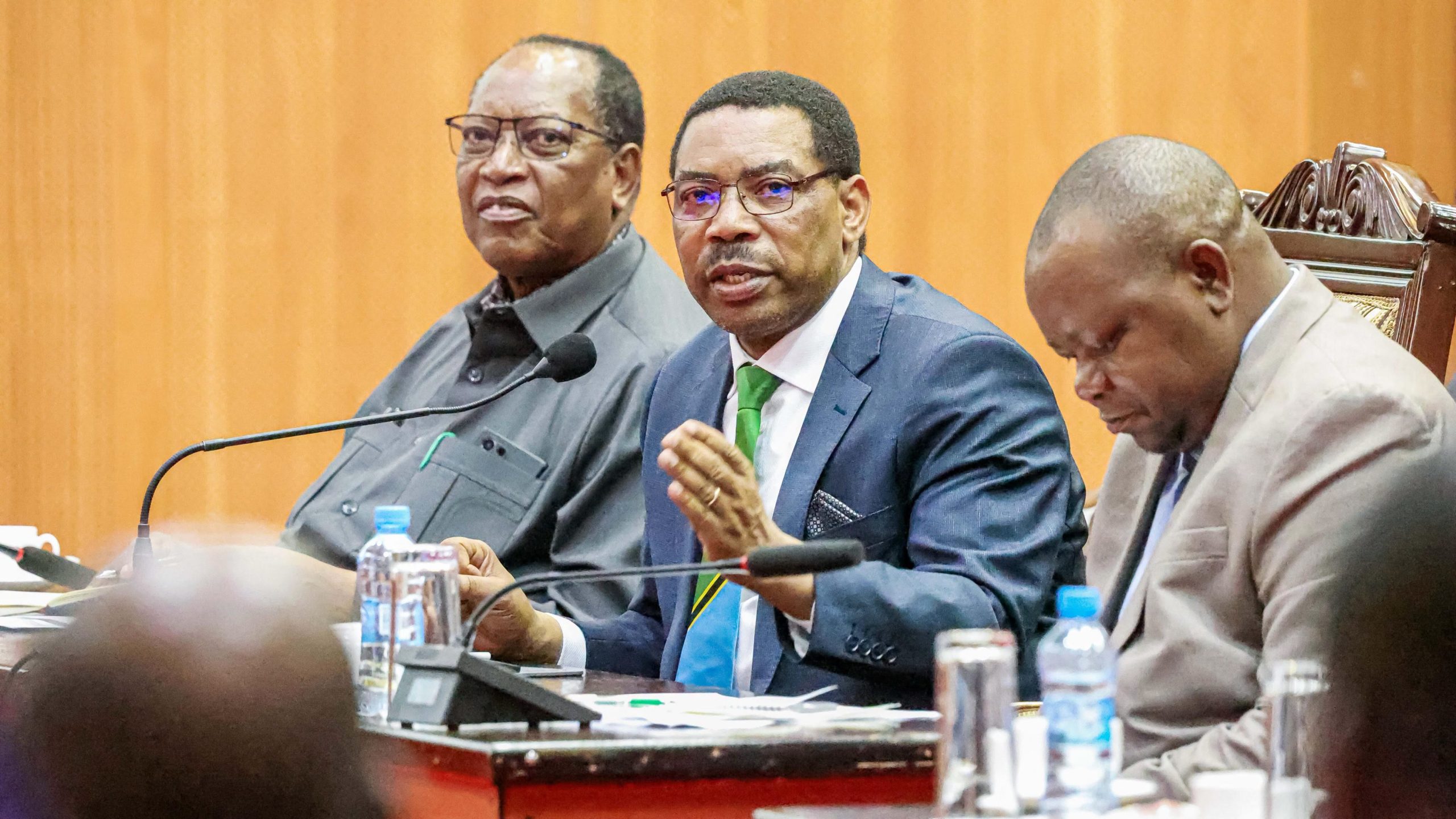
DODOMA: PRIME Minister Dr Mwigulu Nchemba has directed Regional Commissioners (RCs) to accelerate the clean cooking energy campaign as the country targets 35 per cent adoption by the end of this year.
Speaking at a working session for Regional Commissioners on clean cooking energy in Dodoma yesterday, Dr Nchemba said regional authorities must set specific, measurable targets and monitor progress, stressing that the success of the national agenda should be judged by results rather than the number of plans and resolutions produced.
The transition is also being linked to environmental and health gains, with annual forest loss reportedly declining from 469,000 to 373,000 hectares, while deaths associated with the effects of polluting cooking fuels have fallen from 33,000 to 19,000.
The urgency of the directive is underscored by the slow transition among public institutions, with only about 2,700 of the 31,000 institutions identified for the programme having been reached so far.
He said although progress had been made in promoting cleaner cooking alternatives, more effort was needed, particularly in regions with lower adoption rates, including Singida, Simiyu, Shinyanga, Tabora and Katavi.
Dr Nchemba said RC’s were a critical link between the Central Government The transition is also being linked to environmental and health gains, with annual forest loss reportedly declining from 469,000 to 373,000 hectares, while deaths associated with the effects of polluting cooking fuels have fallen from 33,000 to 19,000. and citizens and should take responsibility for coordinating implementation of the strategy in their respective areas.
Dr Nchemba said the government, under President Dr Samia Suluhu Hassan’s leadership, remained committed to the agenda because of its far-reaching benefits for health, the environment, the economy and social welfare.
“President Samia Suluhu Hassan has given fresh impetus to the clean cooking energy agenda and the government remains committed to prioritising it to mitigate the health, environmental, economic and social impacts of reliance on firewood and charcoal,” he said.
ALSO READ: TZ leads clean cooking drive
However, he cautioned that the change required sustained public education and awareness to help communities embrace modern cooking solutions and abandon long-established practices.
The Prime Minister further directed ministries and regional leaders to review and implement directives issued by President Samia when she launched the National Clean Cooking Energy Strategy on May 8, 2024, instead of holding repeated meetings that produce similar resolutions without action.
He instructed each region to maintain a checklist showing directives already implemented, those under execution and timelines for completing outstanding tasks.
“We should not hold many meetings with repeated resolutions that remain unimplemented. Let us review the directives one by one, establish what has been achieved and determine the progress made on those yet to be implemented,” he said.
He also called for specific regional plans to transition boarding schools, colleges, prisons and other public institutions serving at least 100 people to clean cooking energy.
He urged regions to prioritise institutions according to their capacity and local circumstances, while incorporating measurable clean cooking energy indicators into their performance plans.
The National Clean Cooking Energy Strategy 2024–2034, launched by President Samia, aims to ensure at least 80 per cent of Tanzanians use clean cooking energy by 2034.
Under the strategy, all institutions serving meals to more than 100 people daily, including schools, colleges, hospitals, prisons and military camps, have been directed to abandon firewood and charcoal and shift to clean cooking energy.
Permanent Secretary in the Ministry of Energy responsible for Electricity and Renewable Energy, Engineer Felichesmi Mramba, said national adoption had increased from 6.9 per cent in 2022 to 28.6 per cent in 2025. He said uptake in urban areas stood at 48.6 per cent, compared with 8.3 per cent in rural areas, underscoring the need to intensify awareness and improve access in rural communities.
“The government is working with stakeholders to ensure clean cooking solutions are affordable, reliable, safe and accessible, while creating economic opportunities across the sector’s value chain,” said Engineer Mramba.
Eng Mramba said the government had also launched a complementary communications strategy in June 2025 to raise public awareness of the importance of clean cooking energy.
Deputy Minister in the Vice-President’s Office (Union and Environment), Mr Reuben Kwagilwa, urged all 26 regions to establish and manage tree nurseries in every village, street and hamlet to strengthen environmental conservation.
He said tree planting should complement the clean cooking campaign because other human activities continued to contribute to deforestation.
Deputy Minister for Energy Salome Makamba commended regional leaders for their efforts, saying the Government would continue working with other ministries, the private sector and development partners to achieve the 2034 target.
“The current projections indicated that clean cooking energy adoption could reach 35 per cent by the end of this year, benefiting public health, the environment and household welfare,” she said.