

TZ, Cuba chart a new path in science and innovation
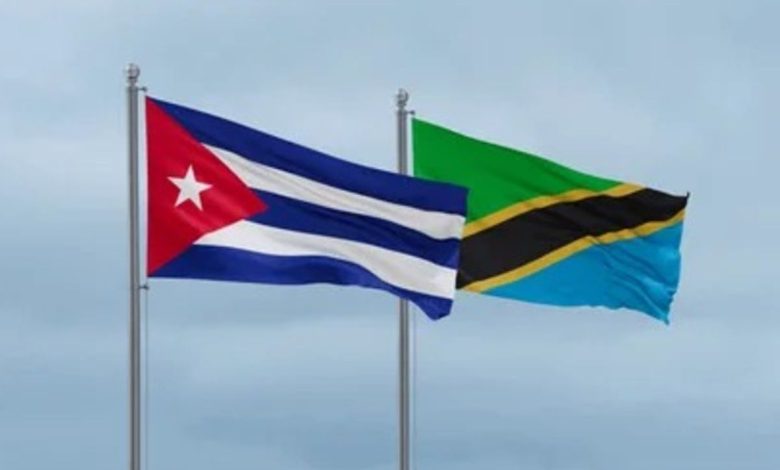
DAR ES SALAAM: TANZANIA and Cuba are seeking to deepen their longstanding educational and scientific cooperation, with greater emphasis on joint research, technological innovation, skills development and academic exchanges as both countries respond to the demands of a rapidly changing global economy.
Tanzania’s Ambassador to Cuba, Lieutenant General Mathew Mkingule, says the two countries have a strong foundation on which to build a new generation of partnerships, drawing on decades of cooperation in education, medicine, agriculture and scientific research.
He says universities and research institutions in both countries have an important role to play in expanding collaboration, particularly in emerging fields such as artificial intelligence (AI), biotechnology, robotics and digital technologies.
“Education is key to the socio-economic development of any country. An educated human resource makes a significant contribution to national development,” he says in an interview with the ‘Daily News’.
Education remains one of the strongest pillars of Tanzania–Cuba relations, with the partnership producing professionals who make valuable contributions to Tanzania’s development.
By 2020, about 315 Tanzanian students had graduated from various Cuban universities. Of these, 209 were medical personnel, 10 were trained in sports, while the rest pursued studies in other fields.
“These personnel have greatly contributed to the national development of Tanzania,” he says.
The cooperation also has a history of tangible institutional support. In the 1970s, the Cuban government built and donated three schools to Tanzania: Ruvu and Kibiti secondary schools in Coast Region, and Ifakara Secondary School in Kilosa District.
The schools were primarily established to support agricultural education, reflecting the importance both countries attached to developing human resources capable of advancing agricultural production and national development.
Amb Mkingule says these historical achievements provide a strong foundation for expanding cooperation beyond traditional academic exchanges towards research-driven development and innovation.
He identifies stronger partnerships between universities as an essential starting point, arguing that institutions need to identify areas of mutual interest and establish formal agreements to facilitate collaboration.
In this regard, Tanzania and Cuba signed two memoranda of understanding (MoUs) in September 2023.
The first was an agreement on cooperation in higher education between Cuba’s Ministry of Higher Education and Tanzania’s Ministry of Education, Science and Technology.
The second was signed between the University of Dar es Salaam (UDSM) and the University of Havana, providing a framework for closer academic engagement between the two institutions.
Another agreement followed in January 2024, when the Sokoine University of Agriculture (SUA) signed an MoU with the University of Artemisa ‘Julio Díaz González’ to promote educational excellence, academic ties and international cooperation.
“The implementation of collaborative areas between the Tanzanian and Cuban universities is underway,” Lt Gen Mkingule says.
He stresses that the next step is to translate the agreements into practical programmes, with universities placing greater emphasis on academic exchanges and implementing the commitments already made.
ALSO READ: TZ, Cuba deepen historic ties through science, industrial cooperation
Beyond institutional cooperation, the ambassador sees considerable potential for joint scientific research, particularly in areas that address development challenges in both countries.
He identifies medical sciences, natural and traditional medicines, pharmaceutical products, science and technology, particularly biotechnology, as promising areas for collaboration.
Agriculture also offers significant opportunities, especially research into the production of biofertilisers and biopesticides, which can contribute to more sustainable farming practices and improved productivity.
“Research is key for any scientific development,” he says, adding that Tanzanian and Cuban researchers can work together to advance scientific knowledge and develop solutions relevant to their respective countries.
The ambassador also highlights the importance of technical and vocational education in preparing young people for industrialisation and employment, arguing that practical training is essential in an economy increasingly demanding specialised skills.
Technical and vocational training equips students with practical competencies tailored to specific occupations and industry requirements, helping them transition from education into employment.
“Skills development bridges the gap between education and employment by equipping individuals with hands-on, industry-ready expertise for immediate workforce entry,” he says.
He notes that industrialisation depends on the availability of a skilled workforce capable of operating machinery, managing production processes and adopting new technologies.
In this context, he says technical and vocational education is particularly important as Tanzania begins implementing its Development Vision 2050, commonly known as DIRA 2050.
The vision places human capital development, industrial transformation and technological advancement among the foundations for long-term national development.
Lt Gen Mkingule says Tanzania and Cuba have considerable opportunities to expand scholarships, postgraduate education, faculty exchanges and joint academic programmes. Existing university partnerships already provide a platform for such initiatives.
At the University of Havana, the teaching of Kiswahili is one of the areas of cooperation with the University of Dar es Salaam, providing an opportunity to promote language, cultural understanding and academic interaction between the two countries.
Meanwhile, cooperation between SUA and the University of Artemisa includes plans to establish a joint sandwich programme in ecological agriculture and a veterinary school at the Cuban institution.
These initiatives, he says, can broaden academic opportunities while enabling students and lecturers to benefit from the expertise and experience available in both countries.
He emphasises that sustained institutional engagement is necessary to ensure that such partnerships deliver lasting results.
“To strengthen these linkages, universities need to emphasise exchange programmes and implement what was agreed in the memoranda of understanding,” he says.
The ambassador further argues that research and innovation partnerships should extend beyond universities to include government agencies, specialised research institutions and industry.
He points to the longstanding relationship between the two countries as a foundation for cooperation in emerging technologies, including artificial intelligence, digital technologies and robotics, which are increasingly transforming economies worldwide.
“Tanzania and Cuba need to employ strategies that will facilitate their adaptation to the current global environment,” he says.
He calls on research institutions in both countries to develop programmes that respond to changing technological and economic needs.
Among the Tanzanian institutions he identifies are the National Institute for Medical Research (NIMR), Tanzania Industrial Research and Development Organisation (TIRDO) and Tanzania Fisheries Research Institute (TAFIRI).
On the Cuban side, he highlights LABIOFAM, the National Centre for Scientific Research (CNIC), the Centre for Genetic Engineering and Biotechnology (CIGB) and CDEM.
He says stronger collaboration among these institutions can help expand scientific research, facilitate knowledge exchange and support the development of technologies relevant to contemporary development challenges.
The ambassador points to the Tanzania Biotech Products Limited (TBPL) plant in Kibaha, Coast Region, as an example of the practical benefits of scientific and technological cooperation between Tanzania and Cuba.
The facility, he says, stands as a testament to the partnership between the two countries and demonstrates the potential of translating scientific collaboration into tangible institutional and productive capacity.
Looking towards the next decade, Lt Gen Mkingule says education, science and innovation should remain central to Tanzania–Cuba relations, with greater attention directed towards preparing students and researchers to address emerging technological challenges.
He says both countries have an established history of cooperation in education and scientific research, but changing global circumstances require them to identify new priorities and strengthen existing programmes.
“Considering the current environment, Tanzania and Cuba can focus more on programmes that will equip students to manage the challenges related to artificial intelligence and digital technologies,” he says.
Amb Mkingule insists that the two countries must now move their relationship beyond the traditional exchange of students and expertise towards a more integrated partnership linking education, scientific research, technological innovation and industrial development.
He says with existing university agreements, established research institutions and a history of cooperation stretching back decades, the major task now is to translate diplomatic commitments into practical programmes that produce skilled professionals, strengthen research capacity and support the development ambitions of both countries.
SEHEMU A: TAARIFA ZA JUMLA
Swali
Machaguo ya majibu
1. Unaweza kujitambulisha kwa kifupi?
(a) Jina la utambulisho (b) Umri (c) Hali ya ndoa (d) Idadi ya watoto (e) Makazi
2. Ulianza kufanya kazi serikalini mwaka gani?
(a) Kabla ya 1990 (b) 1990–2000 (c) 2001–2010 (d) 2011–2020 (e) Baada ya 2020
3. Ulifanya kazi katika taasisi gani?
(a) Serikali za mitaa (b) Wizara (c) Hospitali (d) Shule (e) Mahakama (f) Taasisi nyingine
4. Ulikuwa na nafasi gani kazini?
(a) Mtumishi wa kawaida (b) Afisa (c) Msimamizi (d) Mkuu wa idara (e) Meneja/Mkurugenzi (f) Nyingine
5. Umefanya kazi kwa muda gani?
(a) Chini ya miaka 5 (b) Miaka 5–10 (c) Miaka 11–15 (d) Miaka 16–20 (e) Zaidi ya miaka 20
6. Elimu yako wakati unaanza kazi ilikuwa ipi?
(a) Elimu ya msingi (b) Sekondari (c) Cheti (d) Diploma (e) Shahada (f) Shahada ya uzamili (g) Uzamivu
SEHEMU B: MAISHA NA UZOEFU WA UTUMISHI WA SERIKALI
Swali
Machaguo ya majibu
7. Ni nini kilichokuvutia kujiunga na utumishi wa serikali?
(a) Usalama wa ajira (b) Mshahara wa uhakika (c) Kutumikia jamii (d) Mafao ya kustaafu (e) Fursa za kupanda cheo (f) Kukosa ajira nyingine
8. Maisha yako ya kila siku kazini yalikuwaje?
(a) Mazuri na yenye ushirikiano (b) Yenye majukumu mengi (c) Yenye msongo wa mawazo (d) Yenye changamoto za muda (e) Yenye kuridhisha
9. Uzoefu wako ulikuwaje?
(a) Mzuri sana (b) Mzuri (c) Wa wastani (d) Mgumu (e) Mbaya sana
10. Ni mafanikio gani makubwa uliyoyapata?
(a) Kupandishwa cheo (b) Kuongeza elimu (c) Kupata uzoefu (d) Kutambuliwa kazini (e) Kujenga uwezo wa kiuchumi (f) Kutoa mchango kwa jamii
11. Ni tukio gani hutalisahau?
(a) Kupandishwa cheo (b) Kutambuliwa kwa kazi nzuri (c) Changamoto na migogoro kazini (d) Mafanikio ya mradi (e) Tukio la ubaguzi au unyanyasaji
12. Uhusiano wako na wafanyakazi na viongozi ulikuwaje?
(a) Mzuri sana (b) Mzuri (c) Wa kawaida (d) Wenye migogoro (e) Mbaya
13. Kazi zilikidhi matarajio yako?
(a) Ndiyo, kwa kiwango kikubwa (b) Ndiyo, kwa kiasi (c) Hapana (d) Kwa sehemu tu
SEHEMU C: CHANGAMOTO ZA MWANAMKE KAZINI
Swali
Machaguo ya majibu
14. Ni changamoto gani ulikutana nazo kama mwanamke?
(a) Ubaguzi wa kijinsia (b) Mshahara usioridhisha (c) Majukumu ya familia (d) Kukosa nafasi za uongozi (e) Unyanyasaji wa kijinsia (f) Kutothaminiwa kazini (g) Hakuna changamoto
15. Uliwahi kukutana na ubaguzi wa kijinsia?
(a) Ndiyo (b) Hapana (c) Wakati mwingine (d) Sitaki kujibu
16. Uliwahi kunyimwa cheo kwa sababu ya jinsia?
(a) Ndiyo (b) Hapana (c) Sina uhakika (d) Sijawahi kuomba kupandishwa cheo
17. Ulipata changamoto gani kusawazisha familia na kazi?
(a) Kukosa muda wa familia (b) Malezi ya watoto (c) Kazi za nyumbani (d) Kukosa msaada wa mwenza/familia (e) Safari za kikazi (f) Hakuna changamoto
18. Uliwahi kukutana na unyanyasaji kazini?
(a) Ndiyo, wa kingono (b) Ndiyo, wa maneno (c) Ndiyo, wa kisaikolojia (d) Ndiyo, wa kimamlaka (e) Hapana (f) Sitaki kujibu
19. Kulikuwa na usawa wa kijinsia?
(a) Ndiyo (b) Hapana (c) Kwa kiasi (d) Sina uhakika
20. Ulitatua changamoto hizo kwa njia gani?
(a) Kuripoti kwa viongozi (b) Kutumia taratibu za kisheria (c) Kutafuta ushauri (d) Kuzungumza na wahusika (e) Kuvumilia (f) Kuomba uhamisho (g) Kuacha kazi
21. Serikali ilifanya nini kusaidia wanawake?
(a) Kuweka sera za usawa (b) Kutoa mafunzo (c) Kuweka mifumo ya malalamiko (d) Kutoa likizo za uzazi (e) Kutoa nafasi za uongozi (f) Hakuna msaada wa kutosha
SEHEMU D: UONGOZI NA USHIRIKI KATIKA MAAMUZI
Swali
Machaguo ya majibu
22. Uliwahi kushika nafasi ya uongozi?
(a) Ndiyo (b) Hapana
23. Uzoefu wako wa uongozi ulikuwaje?
(a) Mzuri sana (b) Mzuri (c) Wa wastani (d) Mgumu (e) Mbaya
24. Wanawake walipewa nafasi sawa za uongozi?
(a) Ndiyo (b) Hapana (c) Kwa kiasi (d) Sina uhakika
25. Maoni yako yalizingatiwa?
(a) Kila mara (b) Mara nyingi (c) Wakati mwingine (d) Mara chache (e) Kamwe
26. Changamoto za uongozi zilikuwa zipi?
(a) Kutokuaminiwa (b) Ubaguzi wa kijinsia (c) Ukosefu wa rasilimali (d) Migongano ya kikazi (e) Shinikizo la familia (f) Kukosa ushirikiano
27. Wanawake wana mchango gani?
(a) Kuongeza uwajibikaji (b) Kuboresha maamuzi (c) Kuleta ubunifu (d) Kutetea maslahi ya jamii (e) Kuimarisha usawa
28. Nini kinawazuia wanawake kufikia uongozi wa juu?
(a) Mila na desturi (b) Ubaguzi (c) Elimu na mafunzo yasiyotosha (d) Majukumu ya familia (e) Mitandao ya upendeleo (f) Kukosa fursa
SEHEMU E: SABABU ZA KUACHA KAZI SERIKALINI
Swali
Machaguo ya majibu
29. Ni sababu gani iliyokufanya uache kazi?
(a) Kustaafu (b) Kujiuzulu (c) Kuachishwa kazi (d) Changamoto za mazingira ya kazi (e) Majukumu ya familia (f) Kuanzisha biashara (g) Kuendelea na masomo (h) Sababu za kiafya
30. Uamuzi ulikuwa wako mwenyewe?
(a) Ndiyo (b) Hapana (c) Kwa sehemu (d) Ulilazimishwa na mazingira
31. Changamoto za kijinsia zilichangia kuacha kazi?
(a) Ndiyo, kwa kiwango kikubwa (b) Ndiyo, kwa kiasi (c) Hapana (d) Sina uhakika
32. Familia na jamii zilichangiaje?
(a) Majukumu ya malezi (b) Kuhamia eneo jingine (c) Shinikizo la mwenza (d) Kutunza wazazi (e) Sababu za kiuchumi (f) Hazikuchangia
33. Ulijisikiaje ulipoacha kazi?
(a) Furaha (b) Majuto (c) Hofu (d) Msongo wa mawazo (e) Uhuru (f) Mchanganyiko wa hisia
34. Maisha yalibadilikaje baada ya kuacha kazi?
(a) Hali ya uchumi kuimarika (b) Hali ya uchumi kudorora (c) Kuongezeka kwa muda wa familia (d) Kupungua kwa kipato (e) Kuanzisha biashara (f) Hakuna mabadiliko
35. Unajutia uamuzi wako?
(a) Ndiyo (b) Hapana (c) Wakati mwingine (d) Sina uhakika
SEHEMU F: NAFASI YA MWANAMKE KATIKA UTUMISHI WA UMMA
Swali
Machaguo ya majibu
36. Nafasi ya mwanamke katika utumishi wa umma ikoje?
(a) Nzuri sana (b) Nzuri (c) Ya wastani (d) Duni (e) Mbaya
SEHEMU G: UPATIKANAJI WA FEDHA NA UWEZESHAJI WA KIUCHUMI
45. Ulipokuwa mtumishi wa serikali, mshahara uliokuwa ukipata ulikidhi mahitaji yako na ya familia?
46. Je, ulikuwa na vyanzo vingine vya mapato mbali na mshahara wa serikali?
47. Je, uliweza kupata mikopo kutoka kwenye taasisi za kifedha, benki au mifuko ya hifadhi ya jamii?
48. Je, kama mwanamke ulikutana na changamoto zozote katika kupata mikopo au mitaji ya kuanzisha shughuli za kiuchumi?
49. Je, kipato chako kilikupa uwezo wa kufanya maamuzi ya kifedha ndani ya familia?
50. Je, uliweza kuweka akiba kutokana na mshahara wako?
51. Ulipokuwa kazini, ulipata fursa ya kushiriki katika mafunzo ya uwekezaji, ujasiriamali au usimamizi wa fedha?
52. Je, taasisi uliyokuwa ukifanyia kazi ilikuwa na programu za kuwawezesha wanawake kiuchumi?
53. Baada ya kuacha kazi serikalini, hali yako ya kifedha ilibadilika kwa namna gani?
54. Je, ulipata mafao yako baada ya kuacha kazi? Je, mchakato wa kuyapata ulikuwaje?
55. Ulitumia fedha ulizopata baada ya kuacha kazi kufanya shughuli gani za kiuchumi?
56. Je, uliweza kuanzisha biashara au shughuli nyingine ya kujipatia kipato baada ya kuacha kazi?
57. Ni changamoto gani za kifedha ulizokutana nazo baada ya kuondoka katika utumishi wa serikali?
58. Unadhani wanawake wanaoacha kazi serikalini wanahitaji msaada gani wa kifedha ili waweze kuendelea kujitegemea?
59. Una maoni gani kuhusu upatikanaji wa mitaji na fursa za kiuchumi kwa wanawake waliopo na waliowahi kuwa katika utumishi wa umma?
60. Ni mapendekezo gani ungependa kuyatoa kwa serikali na taasisi za kifedha ili kuboresha uwezeshaji wa wanawake kiuchumi?