TANAPA promotes conservation, tourism under Vision 2050
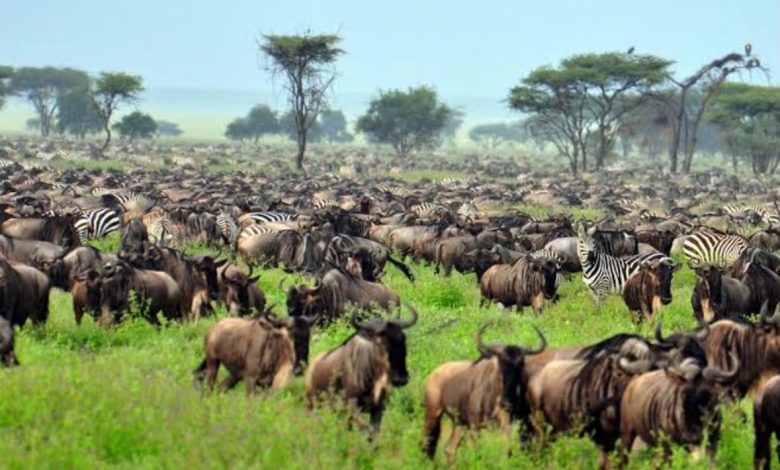
TANZANIA: STANDING as tourist magnets in both Tanzania and Africa, Tanzania national parks have been a strong source of tourism revenues for Tanzanias economy and incomes for local and foreign investors through tourism.
The wildlife parks under the trusteeship of Tanzania National Parks Authority (TANAPA) have greatly contributed to Tanzanias economic development together with income generation to local and foreign investors through tourism.
Under positive development strategies implemented by the government of Tanzania, tourism had brought about multiple effects to local communities neighbouring the national parks, together with other communities where tourist businesses have been developed.
The national parks have contributed to capacity building through training for Tanzanian youths on income generation through tourist guiding as tour guides, tourist vehicle drivers, porters for mount Kilimanjaro climbing, hotel and lodge assistants, just to mention a few.
Tanzania had only three national parks in 1961 and now at 65 years of independence, there are 21 fully established national parks under the management and trusteeship of the Tanzania National Parks. Other than Serengeti that was established in 1959, other two national parks those days were Lake Manyara and Arusha National Parks were the first wildlife parks where tourists visited for photographic safaris.
In September 1961, just three months before the independence of Tanzania from Britain, the first President of Tanzania Mwalimu Julius Nyerere together with senior political officials met for a symposium on the Conservation of Nature and Natural Resources to endorse a document on wildlife protection and conservation known as the Arusha Manifesto.
The Manifesto has since then been a milestone and a blueprint for conservation of nature in Tanzania under the trusteeship of the TANAPA. Famous German conservationist, Professor Bernhard Grzimek, and his son, Michael, made a milestone development in the conservation of wildlife in Tanzania, producing a film documentary and a popular book titled “Serengeti Shall Not Die”.
Through his film and a book, Professor Grzimek opened up a tourist landscape in Tanzania and East Africa, which is mostly wildlifebased tourism that now draws hundreds of thousands of tourists from all corners of the world to visit Tanzania for wildlife safaris.
The Tanganyika National Parks Ordinance of 1959 established the organization now known as Tanzania National Parks and the Serengeti became the first one. Nature conservation in Tanzania is governed by the Wildlife Conservation Act of 1974, which allows the government to establish protected areas, and outlines how these are to be organised and managed Tanzania now boasts of its milestone conservation and protection of wildlife and nature among other African countries.
Wildlife safaris is the leading source of tourism incomes and tourist business in general. The national parks earn Tanzania foreign currency accrued from photographic tourism safaris, hotel concession fees and other levies from safari companies operating in these parks.
Under Vision 2050, Tanzania expects to observe tourist flows growing from 501,670 at the turn of the new millennium in the year 2000 to a bigger number that will position this nation as Africas leading tourism destination by 2050.
Through Vision 2050, tourism sector is expected to become one of Tanzanias key drivers of economic transformation by increasing tourist arrivals, tourism earnings and investment, while ensuring sustainable management of natural and cultural resources.
It also seeks to diversify tourism products beyond wildlife safaris by promoting cultural, historical, beach, conference and sports tourism, while strengthening digital marketing, innovation, tourism infrastructure, environmental conservation and high-value investments.
The ministry for Natural Resources and Tourism is targeting to attract eight million (8 million) tourists by 2030 through implementation of Vision 2050 which kicked off on July 1st, 2026 (this year). Jointly with private tourism stakeholders, the government has launched a special initiative to market Tanzanias tourist attractions in Far Eastern countries in an effort to attract more visitors from the region, mostly South Korea, Indonesia, Vietnam, Malaysia, Japan and China.
Tanzanias national parks recorded 1.56 million visitors between 2025 and 2026, under its target to expanding tourism infrastructure, wildlife conservation and antipoaching operations. TANAPA Conservation Commissioner Mr Massana Mwishawa called on Tanzanians to visit the national parks, saying that tourism should not be viewed as an activity reserved for foreign visitors or wealthy people.
Mr Mwishawa said that domestic tourism has continued to record a smooth and fast growth. Beyond tourism, TANAPA strengthened wildlife protection through intensified patrols and investment in modern surveillance equipment to ensure protection of wildlife, other protected attractions, investments inside the parks and visitors.
To strengthen surveillance, he said the government facilitated the acquisition of 40 drones for aerial patrols and real-time monitoring. TANAPA also constructed three modern communication facilities and 10 radio towers in Serengeti, Lake Manyara, Tarangire and Mkomazi national parks, he said.
Several and various prestigious conservation, tourism and service awards have been extended (awarded) to TANAPA from global tourist rating organisations. Serengeti and Mount Kilimanjaro have been icons of global tourism awards which TANAPA received in recent years.
The World Travel Awards (WTA) declared Tanzanias Serengeti as Africas leading national park for the year 2021. Through tourism development, TANAPA supports community projects in villages neighboring the national parks through its community responsibility programme known as Ujirani Mwema or Good Neighborliness.
The Ujirani Mwema initiative has shown a positive trend, bringing reconciliation between people and wild animals. Vision 2050 also seeks to expand tourism beyond the traditional Northern Circuit into the Southern, Western and Coastal tourism circuits, allowing more regions to benefit from tourism revenues while reducing pressure on heavily visited protected areas.
The Tanzania Association of Tour Operators (TATO) has been supporting tourism growth in Tanzania by implementing tax compliance and expansion of tourist handling services.
According to the association (TATO), Vision 2050 could stimulate investment, improve destination competitiveness and create higherquality tourism enterprises capable of attracting higherspending visitors while generating more employment and local business opportunities.
By 2050, tourism is expected to become one of Tanzanias leading drivers of employment, transport services and local business growth, underpinned by strategic infrastructure investment, targeted marketing and active community engagement.
Tourism investors are currently looking for more visiting sites, development of visiting sites in Tanzanias Southern Zone Circuit and air handling services through modernization of air handling facilities in Southern Circuit, TATOs mission statement said.
Comparatively, the Southern Circuit has been known as the best for both wildlife, nature and the pristine beaches of the Indian Ocean.
ALSO READ: TANAPA calls for active investment to promote tourism in Lake Zone
Saadani National Parks is best known for its wildlife and beaches where visitors can enjoy wildlife viewing then swimming in the Indian Ocean. Udzungwa National Park is the other attractive site where tourists can watch the rare monkey species, while enjoying the beautiful scenery of the Udzungwa Mountains decorated with green and lush plants.
Kitulo National Park is the other unique park dominated by flowers and natural plants where visitors can enjoy its scenery and fresh scented air from its natural flowers. Tourists visiting Northern Tanzania that is best known for wildlife safaris can opt then extend their visiting itineraries to complete their tour in Southern Tanzania as to complete wildlife and nature safari.
Targeting more tourists, TANAPA has increased its tourism products other than wildlife as to pull more visitors to its managed parks.
Hot-air balloon safaris have been introduced in Serengeti and Tarangire, while sports tourism has been introduced in Serengeti National Park through an 18-hole golf course at Fort Ikoma.
TANAPA is preparing safari packages for the 2027 Africa Cup of Nations (AFCON) and plans to host the World Best National Park Awards in Serengeti National Park on December 12 this year.