Tanzania launches e-prescription to monitor the sale, use of prescription-only medicines
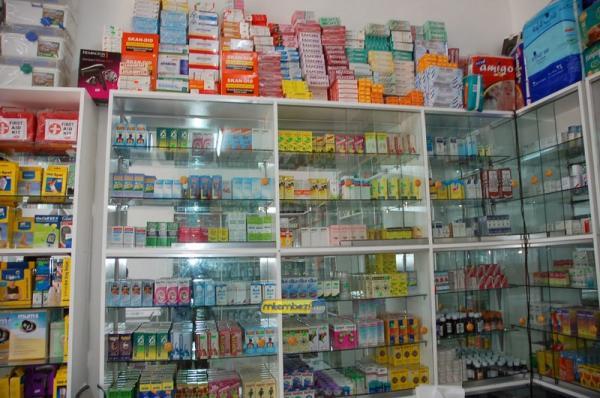
DODOMA: THE Tanzanian government has warned that it will take strict action against traders selling medicines in violation of regulations, including revoking their business licences, through the introduction of an electronic prescription system (e-Prescription) to monitor the sale and use of prescription-only medicines.
Speaking on the government’s strategies to combat Antimicrobial Resistance (AMR), Deputy Permanent Secretary in the Ministry of Health, Emmanuel Tayari, said implementation of the system had already started and was expected to be completed within three to six months.
He said the system would be mandatory for all public and private pharmacies across the country to ensure that legally regulated medicines, particularly antibiotics, are sold in accordance with established procedures.
“This system will help identify traders selling legally controlled medicines without following the required procedures. The government will use both the law and technology to hold accountable those who violate regulations governing the sale of medicines,” Mr Tayari said.
In another development, he said the government had set aside 10 million US dollars, equivalent to approximately 26bn/-, for the construction of a Bioequivalence Research Laboratory in Mlonganzila.
He said the laboratory would help verify the quality and effectiveness of medicines manufactured locally and those imported into the country, ensuring they meet the needs of the Tanzanian population.
ALSO READ: Winning the war on fake medicines requires firm action
He added that the government had also invested in modern laboratory infrastructure, including a three-storey laboratory at Chimwaga, which has the capacity to conduct advanced research, including genetic sequencing.
He stressed the importance of raising awareness of the laboratory’s capabilities to promote the use of scientific evidence in health sector decision-making.
On local pharmaceutical production, Mr Tayari said the government was continuing to invest in pharmaceutical factories being constructed in Mloganzila.
The investment is part of efforts to implement President Samia Suluhu Hassan’s directive that by 2030, 70 per cent of medicines used in the country should be locally manufactured.
He further said the National Institute for Medical Research (NIMR) had an important role in conducting research to identify the types of medicines needed in the country and generating scientific evidence on effective interventions to combat antimicrobial resistance.