Why remote youth embrace mechanisation
TANZANIA: FOR decades, the story of young people and agriculture in Tanzania has been one of migration. Rural areas have often been associated with limited opportunities, traditional farming methods and hard labour, while cities are viewed as places where young people can pursue better prospects.
As a result, many have been eager to leave agriculture behind. However, a different trend is emerging in some of the country’s remote districts. Rather than abandoning agriculture, young people are embracing it through mechanisation, business innovation and a growing belief that economic opportunities can also be found in rural communities.
This is the thinking behind the NorgesVel youth model, which views young people not merely as beneficiaries of agricultural projects but as entrepreneurs capable of building viable businesses around mechanisation.
The approach recognises a simple reality: Young people are not necessarily turning away from farming; they are looking for agricultural activities that generate reliable income. In remote areas, distance from markets is often considered a disadvantage. Yet, it also creates opportunities for mechanisation services.
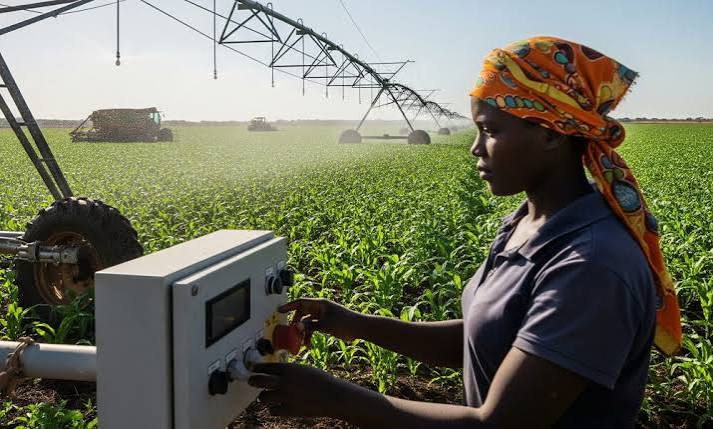
When a youth group acquires a tractor, power tiller or threshing machine, it does more than reduce labour on its own farm. It creates a business by providing services to neighbouring farmers who need access to modern equipment. The NorgesVel model places young people’s ambitions at the centre of its approach.
It focuses on equipping them with the skills and resources needed to make mechanisation commercially viable, including business management training, access to affordable equipment, financing opportunities and mentorship.
This recognises that owning a tractor without a business plan can become an expensive investment, while a business plan without an accessible market may never translate into income. The approach is particularly relevant in remote communities, where limited availability of mechanisation service providers creates opportunities for young entrepreneurs.
A young person who introduces a maize sheller or tractor-hire service, for instance, can fill an important gap in the local agricultural economy while generating income and serving fellow farmers. Beyond the economic benefits, mechanisation is also changing how young people perceive agriculture.
ALSO READ: Protect youth from the dark side of internet
Seeing their peers build successful businesses around machinery can reshape attitudes towards farming, shifting it from an activity associated with hardship to a potential career and source of independence. However, this transformation requires deliberate investment in young people’s capabilities.
Affordable financing, access to appropriate equipment, business training and mentorship are essential to helping them establish sustainable enterprises.
It also calls for agricultural extension services that incorporate business skills alongside technical farming knowledge, as well as policies that make equipment and credit more accessible to young entrepreneurs.
Young people embracing mechanisation in remote Tanzania are demonstrating that geographical isolation does not have to limit economic opportunity.
Rather than waiting for markets and services to reach their communities, they are building businesses that bring essential agricultural services closer to farmers.
Their message to policymakers, financial institutions and development partners is clear: Rural youth need investment in their capabilities, access to productive tools and confidence to build sustainable enterprises.
The future of Tanzanian agriculture will not be determined solely by developments in major urban centres or government policy corridors.
It will also depend on what happens in rural communities, where young entrepreneurs establish tractor-hire businesses, create employment and provide services that improve agricultural productivity.
For these young people, staying in rural areas is no longer necessarily a sign of limited choices. It is increasingly becoming a business decision and a strategy for building their future. Far from the market, they are discovering that opportunity can begin right where they are.