Tanzania’s tourism sector under President Samia
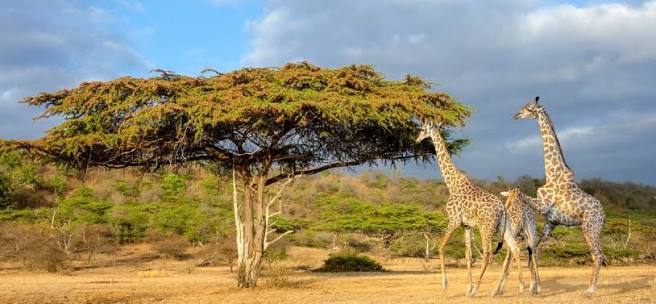
TANZANIA: AT first light near Mtemere in Nyerere National Park, tourism begins long before visitors board a safari vehicle. Drivers inspect tyres and radio equipment. Guides check park permits and prepare to explain the day’s route.
Lodge staff organise breakfast, housekeepers prepare rooms, kitchen teams receive supplies and boat crews ready themselves for visitors heading toward the Rufiji River. Behind every game drive, flight or boat safari is a much wider chain of Tanzanian work.
That chain includes tour operators, drivers, guides, rangers, cooks, cleaners, farmers, fishermen, food suppliers, transporters and communities living near protected areas. Tourism is often presented through wildlife, beaches and luxury accommodation.
Its real economic value, however, lies in how many Tanzanians earn an income when a visitor spends money in the country. This is the lens through which Tanzania’s tourism sector should be assessed during the first year of President Samia Suluhu Hassan’s current term.
In an interview for this article, a Tanzanian tour operator who requested anonymity argued that the central question is no longer whether Tanzania has attractions. The country has globally recognised wildlife, beaches, mountains, cultural heritage and protected landscapes.
The more important question is whether government investment, promotion and policy are converting those attractions into reliable visitor growth, stronger local business and better livelihoods. The national data show that tourism remains one of Tanzania’s most important foreign-exchange sectors.
The 2025 International Visitors’ Exit Survey recorded 2,294,495 international tourist arrivals, up from 2,141,895 in 2024. Tourism earnings rose 13 per cent to 4.4106 billion US dollar in 2025, compared with 3.9031 billion US dollar in the previous year.
The latest Bank of Tanzania figures show travel receipts of 4.3897 billion US dollar in the year ending August 2026, maintaining tourism as Tanzania’s leading source of services-export earnings. These numbers matter because tourism brings foreign currency into the country without exporting a physical commodity.
A visitor pays for flights, accommodation, food, transport, park fees, guides, cultural experiences and purchases from local businesses.
The policy objective should therefore not be only to increase arrival numbers, but also to increase the amount each visitor spends in Tanzania and the share of that spending retained by Tanzanian workers, suppliers and communities.
Nyerere National Park provides one of the clearest tests of this approach. For many years, Tanzania’s Northern Circuit especially Serengeti, Ngorongoro and Kilimanjaro received much of the country’s tourism attention.
The Southern Circuit, despite having major assets such as Nyerere, Ruaha, Mikumi and Udzungwa, faced weaker access, fewer facilities and lower international visibility.
President Samia’s administration has made the effort to rebalance this picture a visible policy priority. Between July 2025 and April 2026, visitor numbers in the Southern Circuit increased from 197,402 to 205,520, while revenue rose from 24.6bn/- to 27.7bn/-.
The growth is still modest when compared with the scale of the Northern Circuit, but it is important because it shows rising activity in destinations that have long been described as underdeveloped but high-potential. The strongest evidence of government action is infrastructure.
In February 2026, 21 tourism-infrastructure projects worth 114.62bn/- were launched and handed over through the Strategic Southern Tourism Circuit Development Programme. Mtemere Airstrip in Nyerere National Park was among them.
The projects included entry gates, visitorinformation centres, campsites, guest facilities, rest areas, ranger posts, student hostels and an ecological-monitoring centre. More broadly, government reported investment of about 146.6bn/- in roads, airstrips, accommodation and visitor facilities across the Southern Circuit under the REGROW programme, implemented with World Bank support.
It reported construction or rehabilitation of 3,757 kilometres of roads and more than 523 kilometres of walking trails in protected areas, while airstrip improvements were undertaken in Nyerere, Ruaha and Mikumi. For the anonymous operator, this is the right direction because access is not a minor tourism issue.
It determines the cost, reliability and attractiveness of a destination. A park may have exceptional wildlife, but visitors and operators will struggle to include it in an itinerary if flights are unreliable, roads are poor, entry arrangements are slow or accommodation is insufficient.
Better airstrips, roads and visitor facilities can reduce these barriers and allow the Southern Circuit to compete for visitors seeking a less crowded safari experience. The article’s assessment, however, separates completed assets from promises. The Mtemere Airstrip and other handed-over facilities are tangible achievements.
They can be visited and evaluated. Meetings, promotional campaigns and future investment announcements are different: They should be recognised as steps toward growth, but not treated as economic gains until they result in more bookings, higher occupancy, new jobs or increased spending.
This distinction also applies to international engagement. In July 2026, Tanzania and Russia signed a memorandum of understanding to strengthen tourism cooperation. The agreement can help diversify source markets and create promotional opportunities, particularly at a time when tourism destinations are competing aggressively for high-spending travellers.
But an agreement is not yet a new flight route, a hotel investment or an increase in Russian visitors. The real measure will be the results that follow. Government has also continued to modernise the visitor experience. TANAPA launched the TANAPA Go digital platform in 2025, giving visitors access to information on national parks and heritage sites.
ALSO READ: Arusha steps up emergency care to boost medical tourism
For a sector where tourists increasingly plan and book online, digital access can improve destination awareness and reduce information barriers. Yet digital promotion must be matched by dependable service on the ground: Clear park information, trained guides, clean facilities, reliable transport and efficient booking systems.
At Nyerere, the economic impact of a growing tourism circuit can be seen across many livelihoods. A tour guide earns when a vehicle is booked. A driver earns when visitors travel from an airstrip to a lodge or park gate. Lodge staff earn when rooms are occupied.
Farmers and food suppliers benefit when camps and hotels buy vegetables, meat, fish and other provisions locally. Boat operators, fuel suppliers, artisans, laundry workers, mechanics and local transporters all participate in the visitor economy.
This is why the Southern Circuit deserves sustained government attention. Tourism can spread income more widely than many sectors when its supply chain is deliberately connected to local people.
The task is to make sure communities near Nyerere, Ruaha and Mikumi are not only custodians of wildlife and land, but also direct beneficiaries of the visitors these assets attract.
The first-year assessment is therefore positive, particularly on infrastructure and the strategic effort to elevate the Southern Circuit. National arrivals and tourism earnings remain strong; new assets have been delivered and government has continued to market Tanzania more aggressively.
Next week, the review will turn to another sector and examine how policy decisions are shaping opportunity beyond the headline numbers.