Households must prepare before the rains intensify

DAR ES SALAAM: THE most effective response to El Niño may begin not in an emergency operations centre, a government office or a rescue boat, but in an ordinary household, where a blocked drainage channel, an unsafe toilet, a leaking roof or inadequate food supplies can turn heavy rainfall into a family crisis.
As Tanzania enters the 2026 Vuli rainfall season, households are being urged to prepare for weather conditions that could test homes, roads, sanitation systems, agricultural production and emergency response capacity.
The warning is not that every community will experience destructive floods, but that the consequences of heavy rainfall depend not only on the amount of rain received, but also on community preparedness, the condition of infrastructure and people’s ability to respond.
In Singida Region, Mwahango Village in Ilongero Ward is taking early measures to minimise the anticipated impact, demonstrating how local leadership and household participation can strengthen community resilience.
Speaking to the Daily News recently, Mwahango Village Executive Officer (VEO), Mr Emmanuel Chacha, said the village authority had prioritised environmental sanitation, public awareness, emergency arrangements and food preservation to protect residents during the anticipated rainy season.
“We have started by educating residents about environmental cleanliness, maintaining safe toilets and clearing drainage channels to ensure water flows freely,” he said.
Mr Chacha said the village, which has 475 households and 2,447 residents, had identified vulnerable areas and embarked on clearing blocked drains and gullies that could expose homes and residents to flooding.
He said the village had also encouraged residents to clean their surroundings every week, remove overgrown grass that provides mosquito-breeding habitats and improve sanitation facilities.
However, Mr Chacha said preparedness must go beyond clearing drains and address a fundamental question: Where would residents go if flooding forced them to leave their homes? “We asked ourselves where we would take people if El Niño caused flooding today and how we would ensure they remained safe,” he said.
The village has identified potential sites for accommodating affected residents and is organising local rescue teams to support emergency response efforts. Health workers from dispensaries and health centres are also expected to contribute to public education and preparedness activities.
The approach reflects an important principle of disaster risk reduction: although communities cannot control the weather, they can take practical measures to minimise its consequences.
Mr Chacha said the village was educating residents through community meetings, churches, mosques and schools to ensure preparedness messages reached people through different channels.
He said parents had also been urged to pay particular attention to children, especially in areas where flooded gullies, unsafe crossings and impassable roads could expose them to danger or disrupt their education.
“We are educating parents to protect their children during this period and ensuring that pupils continue learning safely, even when heavy rainfall creates difficulties,” he said.
The village has approached nearby schools to explore arrangements that could help pupils avoid dangerous journeys when swollen waterways or damaged crossings disrupt access to classrooms.
ALSO READ: Farmers turn to new tactics to beat heavy rains
Mr Chacha welcomed guidance encouraging preparedness within the education sector, saying advance planning could help minimise disruption and protect learners.
He said food security was another priority, with residents encouraged to preserve adequate food supplies to reduce the risk of shortages when prolonged rainfall makes transport difficult or interrupts access to markets.
However, preparedness also requires households to recognise that flooding may trigger health problems long after floodwaters recede.
Mr Chacha said the village was working to reduce the risks of malaria and cholera through improved sanitation, community education and preventive health measures.
“Safe toilets and clean surroundings are essential. If people maintain proper sanitation and take preventive measures against mosquitoes, we can reduce the risks of cholera and malaria,” he said.
The village is encouraging households with unsafe toilets to improve their facilities and eliminate environmental conditions that favour mosquito breeding.
Health workers are expected to provide education and support preventive measures, including access to mosquito nets for vulnerable groups such as pregnant women and children.
These interventions are particularly important because heavy rainfall and flooding contaminates drinking water sources, overwhelm sanitation facilities and create stagnant pools in which mosquitoes breed.
For households, practical preparations should include protecting drinking water and food from contamination, securing important documents, keeping emergency contacts accessible and identifying safe routes and evacuation points.
Residents should also avoid crossing flooded rivers and gullies, while families living in vulnerable areas should pay attention to official weather warnings and instructions from local authorities.
Mr Chacha said environmental cleanliness remained central to the village’s strategy, with residents continuing to clear drainage channels and participate in weekly sanitation exercises.
“Our priority is to prepare the environment, educate residents and organise our rescue teams before an emergency occurs. We want people to know what to do, where to go and how to protect their families,” he said.
Mr Chacha’s experience underscores a broader lesson for villages and streets across the country: as the rainy season approaches, preparedness becomes effective when government guidance translates into practical action at household level.
Clearing a drain, improving a toilet, storing food safely, protecting children and identifying an evacuation point may appear to be small interventions. However, they help to reduce exposure to flooding, disease, hunger and disruption.
As concerns over El Niño-related rainfall risks grow, the challenge is to ensure that preparedness does not remain a campaign message but becomes a routine practice in every household.
Ultimately, communities may not be able to prevent heavy rainfall, but they can prepare to face it with fewer losses, safer families and stronger local support systems.
In Dar es Salaam, Kinondoni District Commissioner, Mr Saad Mtambule, said the district was implementing President Dr Samia Suluhu Hassan’s directives to ensure cleanliness across communities as part of preparations for the anticipated El Niño rains.
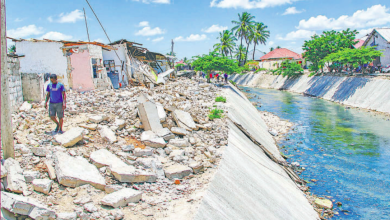
“We have received the President’s directives to ensure that all areas are cleaned as a precaution against the anticipated El Niño rains. We will continue clearing the Ng’ombe River and other waterways to minimise the risk of flooding,” he said.
Mr Mtambule also urged residents living along the Ng’ombe River who had already received compensation to vacate the area to allow planned improvement works to proceed. “I appeal to all residents living along the Ng’ombe River who have already been compensated to vacate the area. Maintaining a 7.5-metrewide corridor will allow essential services to reach communities, including garbage collection and security services,” he said.
He added that clearing the corridor would enable waste collection trucks and police vehicles to access areas that had previously been difficult to reach, while improving emergency response during floods.
Kinondoni Municipal Council Executive Director, Ms Hanifa Hamza, said the council was intensifying public education on cleanliness and environmental conservation, particularly as the municipality prepared for the rainy season.
“We continue to educate our communities to ensure they understand the importance of environmental cleanliness. Kinondoni has about 16 rivers and 20 drainage channels, making us highly vulnerable to El Niño rains because of our geographical setting,” she said.
Ms Hamza said the council had engaged contractors and casual labourers to clean rivers daily while educating residents on proper waste disposal and the importance of placing rubbish in designated collection points.
“Although we clean these rivers, waste can accumulate again within a short time. That is why we are combining daily cleaning with public awareness to encourage residents to take responsibility for keeping their surroundings clean,” she said.
In a related development, a Daily News survey in several other streets of Dar es Salaam has highlighted the urgent need to intensify cleanliness campaigns to ensure drainage systems, including roadside trenches and channels in residential areas, are cleared and reopened ahead of the anticipated El Niño rains.
Some drainage systems, including those in parts of Vingunguti, already contain stagnant water, raising concerns about possible disease outbreaks, road submergence and flooding once prolonged rains begin.
Improper waste disposal, particularly the dumping of plastic bottles and fruit waste, is another major concern in some parts of the country’s most populous city.
Such practices threaten to block drainage systems, potentially disrupting water flow and exposing residents to flooding and associated health risks.
In the low-lying Faru Street area of Mnyamani Ward, Ilala District, Ms Farida Hussein, 42, told the Daily News that residents had been taking precautionary measures against the anticipated El Niño rains, including cleaning their surroundings.
However, she said more support from local authorities was needed to widen the drainage system.
“The drainage system should be widened so that during the rains, the water can flow smoothly,” she said.
Ms Hussein noted that the narrow drainage channels had for a long time prevented rainwater from flowing freely, resulting in recurring floods in the low-lying residential area.
With the rainy season approaching, she expressed fears that the area could experience flooding again unless wider drainage channels were constructed to ensure the smooth flow of rainwater.
For her part, Public Health Expert at Benjamin Mkapa Hospital (BMH), Dr Emiliana Myovela, called on the public to strengthen hygiene and disaster preparedness ahead of the anticipated El Niño rains, urging communities to protect human health, animals and the environment.
She said the One Health approach, which recognises the interdependence of human, animal and environmental health, was essential in preparing for the potential effects of heavy rainfall.
“When preparing for heavy rains, we cannot focus on human beings alone. We must prepare across all three dimensions: people, animals and the environment because our lives and health are interconnected,”
Dr Myovela told the Daily News in an exclusive interview. She warned that heavy rains could trigger floods, road accidents, landslides and other disasters, while creating conditions that increase the risk of disease outbreaks, particularly in communities with poor sanitation and inadequate drainage systems.
In that regard, Dr Myovela urged households to maintain clean surroundings, ensure proper drainage and prevent wastewater from flowing onto roads and into neighbouring areas, where it could expose communities to infectious diseases.
“Preparedness begins at the family level. Every household must keep its surroundings clean and ensure that drainage systems do not allow dirty water to flow into public spaces and expose others to disease,” she said.
She also advised people living in flood-prone areas, particularly low-lying settlements, to consider relocating to safer locations before heavy rains intensify.
Furthermore, she encouraged homeowners to secure their roofs and ensure rainwater could drain away without accumulating around their houses.
Dr Myovela also cautioned the public about electrical hazards and thunderstorms associated with heavy rainfall, urging residents to avoid exposed electrical wiring and take appropriate precautions to protect their families.
She called on authorities responsible for roads, bridges and other transport infrastructure to ensure drainage channels were functional and infrastructure remained safe and accessible during the rainy season.
Dr Myovela reminded transport operators, including motorists and motorcycle riders, to observe road safety measures, particularly when visibility was poor or roads became slippery and flooded.
Moreover, she stressed the need for emergency response teams to remain on standby, with rescue equipment and assistance readily available at transport facilities and public gathering places where flooding-related incidents could occur.
“Preparedness should not end with warnings. Rescue teams must be ready to respond and institutions responsible for transporting people must have appropriate emergency arrangements in place,” she said.
On animal health, Dr Myovela urged livestock keepers to provide safe and hygienic living conditions for their animals, noting that heavy rains could create conditions conducive to the spread of infectious diseases affecting both animals and humans.
She explained that poor sanitation, contaminated water and stagnant pools could increase the risk of waterborne diseases, including cholera and other diarrhoeal illnesses. Heavy rains could also create mosquito-breeding sites, potentially increasing malaria transmission.
“During periods of heavy rainfall, we must be particularly alert to diarrhoeal diseases, including cholera, as well as malaria, which can increase when stagnant water creates breeding grounds for mosquitoes,” she said.
To minimise these risks, Dr Myovela urged households to observe basic hygiene practices, including washing hands before eating and after using the toilet, washing fruits before consumption and boiling drinking water where its safety could not be guaranteed.
She also advised residents to sleep under insecticide-treated mosquito nets, use appropriate mosquito repellents and eliminate stagnant water and overgrown vegetation around their homes.
She emphasised that individual hygiene and community-level environmental management were essential in preventing avoidable disease outbreaks during the rainy season.
“People should not wait until diseases begin spreading before taking action. Boil unsafe drinking water, wash your hands, protect yourself against mosquitoes and keep your surroundings free of stagnant water,” Dr Myovela said.