Dar charts path to bridge climate finance gap

ANTALYA: TANZANIA faces a climate finance gap of approximately 12 billion US dollars (about 31.86tri/-) in meeting its Nationally Determined Contributions (NDCs) by 2030. This, highlights the urgent need to mobilise additional resources to address the growing economic and social impacts of climate change.
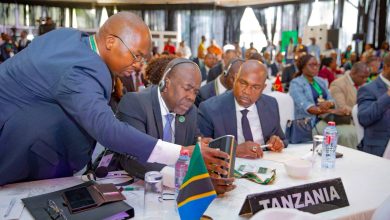
The challenge was highlighted during a side event held alongside the Trade and Finance Day meetings at the 31st Conference of the Parties (COP31) in Antalya, Turkey, where government officials, financial experts and development partners discussed strategies for strengthening climate finance mobilisation in Tanzania.
Representing the Ministry of Finance, Ms Vida Malle, said climate change was projected to reduce the country’s economic growth by 2.15 per cent by 2050 and potentially push approximately 2.6 million people into poverty.
She said Tanzania required 19.2 billion US dollars (about 50.9tri/-) to implement its NDCs by 2030. Although 7 billion US dollars (about 18.58tri/-) had already been secured, the country still faced a financing gap of about 12 billion US dollars (about 31.86tri/-).
She added that when the requirements under the National Adaptation Plans (NAPs) were included, the total financing needs increased to nearly 40 billion US dollars (about 106.2tri/-).
Ms Malle also underscored the importance of sustainability reporting across both the public and private sectors, particularly in tracking financial resources mobilised and expenditures allocated to climate action.
To address the financing challenge, the Ministry of Finance has established a dedicated Climate Finance Coordination Section tasked with exploring innovative financing mechanisms beyond traditional sources such as grants.
ALSO READ: Tanzania eyes to prioritise climate finance, harmful gas reduction heading to COP31 in Türkiye
These include green bonds, blue bonds and carbon finance, which are expected to expand opportunities for mobilising resources to support climate-related programmes.
Mr Derick Kiwia from the Financial Sector Deepening Trust (FSDT), an institution working to increase access to financial services for all Tanzanians, particularly underserved groups such as women, young people and smallholder farmers, emphasised the importance of data and research in strengthening climate finance mobilisation.
He said FSDT was collaborating with the Climate Policy Initiative to produce Tanzania’s first-ever climate financing report.
The research is expected to track climate finance flows, identify available financing instruments and establish existing gaps to ensure that resources are aligned with national climate targets.