Early prevention action crucial to shielding communities from malaria
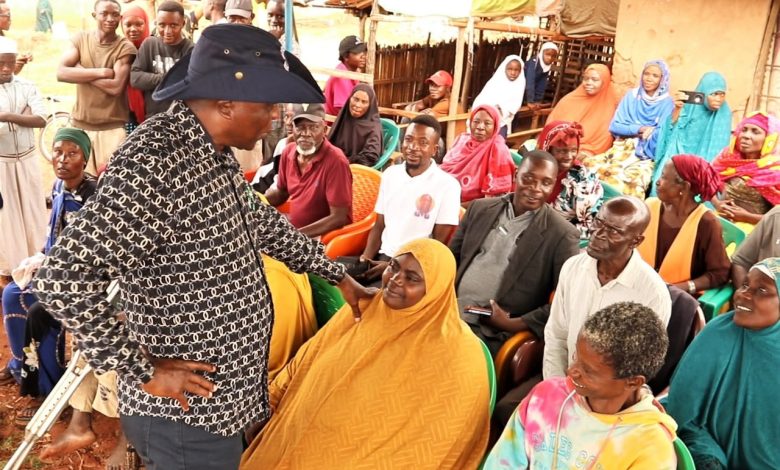
TANZANIA: TANZANIA is intensifying malaria prevention as the 2026/2027 rainy season gets under way, with health authorities strengthening mosquito control, expanding access to insecticide-treated nets and mobilising communities to eliminate potential breeding sites.
The urgency comes as the country enters a period of increased rainfall associated with a strong El Niño phenomenon, which the Tanzania Meteorological Authority (TMA) says is expected to influence weather patterns during the 2026/2027 season.
While rainfall has already been recorded in several parts of the country, the first half of the season, between November 2026 and January 2027, is expected to receive more rain than the February-to-April period.
For health authorities, the changing weather conditions call for sustained vigilance to prevent mosquito populations from increasing and undermining progress made in reducing malaria infections.
The response combines environmental management, biological larviciding, insecticide-treated mosquito nets, targeted indoor residual spraying and public education, with communities being encouraged to take preventive action at household level.
Rainfall heightens need for vigilance
In its November 2026 to April 2027 seasonal outlook, TMA warned that rainfall would be significantly influenced by strong El Niño conditions.
The authority forecasts above-normal to normal rainfall in Kigoma, Tabora, Katavi, Singida, Dodoma, Njombe, Iringa, Mbeya, Songwe and Rukwa, as well as southern parts of Morogoro Region.
Ruvuma, Mtwara and Lindi are expected to receive normal to abovenormal rainfall. The rainy season began in some areas towards the end of October before spreading to other regions in November.
TMA’s assessment of rainfall recorded between November 1 and 10 indicated periods of rain and thunderstorms in parts of the Lake Victoria Basin, western regions and south-western highlands, alongside rainfall in some coastal and northeastern areas.
For November 11–20, the authority forecast further rainfall, including thunderstorms in parts of the Lake Victoria Basin, Kigoma, Katavi, Tabora and the south-western highlands.
The changing conditions require continued attention to water accumulation around homes, public institutions and poorly drained areas, where suitable mosquito-breeding habitats can develop.
Although rainfall alone does not automatically result in a malaria outbreak, increased mosquito breeding can create conditions favourable for transmission, depending on temperature, local environments and other factors.
TMA has urged stakeholders to follow regular weather updates and take appropriate preparedness measures, including improving drainage and strengthening community awareness.
Government strengthens malaria-control interventions
The government is combining national preparedness measures with targeted interventions to reduce mosquito populations and protect households.
The National Malaria Control Programme (NMCP), working with the Ministry of Health and the President’s Office–Regional Administration and Local Government (PO-RALG), is implementing integrated vector-control measures.
These include biological larviciding, environmental management, distribution of long-lasting insecticidetreated nets and indoor residual spraying in areas where it is appropriate.
NMCP Acting Head of Vector Control Peter Gitanya previously said biological larvicides had been distributed to councils nationwide to help control mosquito breeding.
Larvicides target mosquito larvae in suitable water bodies, preventing them from developing into adult mosquitoes capable of transmitting malaria.
Mr Gitanya explained that their application must take local conditions into account, with treatment carried out in stagnant water after rainfall subsides rather than when water is flowing.
Environmental management is equally important. Residents are encouraged to clear blocked drainage channels and remove discarded materials such as coconut shells, cans and tyres that can collect rainwater.
Such activities help reduce potential breeding sites around homes, institutions and public spaces. The effectiveness of these interventions depends on sustained implementation and cooperation between health authorities, local government officials and communities.
Mosquito-net distribution strengthens household protection
Alongside mosquito-breeding control, the government is continuing efforts to expand access to insecticidetreated mosquito nets, particularly in areas with a high malaria burden.
A notable intervention was launched in Tanga Region, where more than 1.5 million insecticide-treated mosquito nets were earmarked for distribution across nine councils.
According to the Medical Stores Department, a total of 1,537,870 nets were allocated to Handeni, Handeni Town, Kilindi, Korogwe, Korogwe Town, Mkinga, Muheza, Pangani and Tanga City councils.
The campaign, launched in September, was intended to strengthen household protection while complementing other malaria-control interventions.
Authorities also emphasised the importance of proper net use after concerns that some residents had been using mosquito nets for fishing and keeping poultry, undermining their intended public health benefits.
Treated nets remain an important preventive measure because they reduce exposure to mosquito bites during sleep.
Pregnant women and children require particular attention because of their vulnerability to malaria complications.
The government also provides free mosquito nets to pregnant women attending antenatal clinics through health facilities.
Indoor residual spraying is another intervention used in selected areas, complementing treated nets and other mosquito-control measures.
Together, treated nets, larviciding, environmental management and targeted spraying provide several layers of protection.
However, their effectiveness depends on proper implementation and consistent community participation. Early diagnosis and appropriate treatment are also essential to prevent complications and reduce malariarelated deaths.
Progress in the fight against malaria
The renewed preventive efforts come against a background of significant progress in reducing Tanzania’s malaria burden.
Government figures released in April 2026 show that malaria prevalence declined from 8.1 per cent in 2022 to 5.7 per cent in 2025, representing a reduction of about 30 per cent.
The number of confirmed malaria cases also declined from approximately six million in 2020 to 2.8 million in 2025. Hospital admissions fell by 35 per cent, while malaria-related deaths declined by 50 per cent over the same period.
The government attributed the improvements to sustained investment in prevention, diagnosis and treatment, alongside collaboration with development partners.
In addition, the government allocated 20bn/- during the 2024/25 and 2025/26 financial years for biological larviciding interventions in all 184 councils.
The National Malaria Control Programme is also moving into a new strategic phase through the 2026– 2030 malaria-control plan, which seeks to consolidate the gains and accelerate progress towards eliminating the disease by 2030.
However, the burden remains uneven across the country, with some regions continuing to record higher transmission than others.
This makes targeted interventions, reliable disease surveillance and continued investment in prevention particularly important as rainfall intensifies.
Dodoma strengthens local preparedness
In Dodoma, local health authorities are implementing preventive measures to complement national efforts. Dodoma City Malaria Coordinator Dr Gasper Kisenga said the council had biological larvicides in stock and had placed an additional order through the Medical Stores Department.
He said the council was also strengthening public education and encouraging residents to maintain clean surroundings to reduce potential mosquito-breeding sites.
Health facilities had been instructed to prepare for health risks associated with the rainy season by ensuring the availability of essential medicines, drinking-water treatment chemicals and mosquito nets.
For malaria prevention, the council is promoting long-lasting insecticidetreated nets and biological larvicides, alongside indoor residual spraying in appropriate areas.
Community participation remains central because many potential breeding sites occur within residential compounds and neighbourhoods.
Removing waste that holds water, clearing drainage channels and addressing suitable stagnant-water breeding sites complement interventions by health officials.
Local leaders also play an important role in translating public health messages into practical household activities.
ALSO READ: TZ intensifies fight to eliminate Malaria by 2030
Communities take the fight to their doorsteps
For ordinary residents, malaria prevention begins not only in health facilities but also within homes and neighbourhoods.
Beatrice Mwaluko, a mother and resident of Nzuguni in Dodoma, said residents had a responsibility to take preventive action as the El Niño rains approached.
“Malaria prevention cannot wait for the government; it must start at our own doorsteps,” she said.
“As the El Niño rains approach, my neighbours and I are actively clearing blocked drains and removing containers that collect rainwater around our compounds. Inside the house, I ensure my children and pregnant relatives sleep under treated nets every single night. If we work hand-in-hand during our community clean-ups, we can destroy the mosquito breeding sites and protect our families before the worst of the rains hit.”
Her experience illustrates how household action can complement government interventions. Community clean-ups are particularly useful in densely populated neighbourhoods where blocked drainage channels and accumulated water in shared spaces can affect several households.
However, the work must be sustained because continued rainfall can create new breeding sites, making regular inspections, proper waste disposal and attention to water accumulation necessary throughout the season.
At neighbourhood level, community leaders are also helping translate public health messages into practical activities.
Amos Alphonce, chairperson of Area C Kati Street, said he regularly met residents to encourage them to clear their surroundings, address stagnant pools and cut tall grass.
Such activities encourage residents to take responsibility for environmental conditions around their homes while helping local authorities mobilise communities for collective action.
Mr Alphonce emphasised the importance of shared responsibility, saying: “Health is our wealth. We must not take El Niño lightly. Everyone should protect one another.”
His message reinforces the need for continued vigilance as the rainy season progresses. Sustaining gains as rains continue Tanzania’s malaria-prevention response now faces the task of protecting the gains already achieved while responding to changing weather conditions.
The decline in malaria prevalence, confirmed cases and deaths demonstrates the value of sustained investment in prevention, diagnosis and treatment. However, these improvements cannot be taken for granted, particularly during periods of increased rainfall.
For households, the priorities remain clear: remove discarded materials that collect water, maintain clean surroundings, use treated mosquito nets consistently and seek early diagnosis and treatment whenever malaria is suspected.
For government institutions and health teams, maintaining supplies of mosquito nets, larvicides and essential medicines, strengthening surveillance, continuing public education and implementing appropriate mosquito-control measures will remain essential.
As the 2026/2027 rainy season advances, the success of these efforts will depend on whether national interventions translate into consistent protection at community level.
By acting early and sustaining preventive measures, Tanzania can protect vulnerable populations, preserve the progress made against malaria and move closer to its goal of eliminating the disease by 2030.