TZ leads clean cooking drive
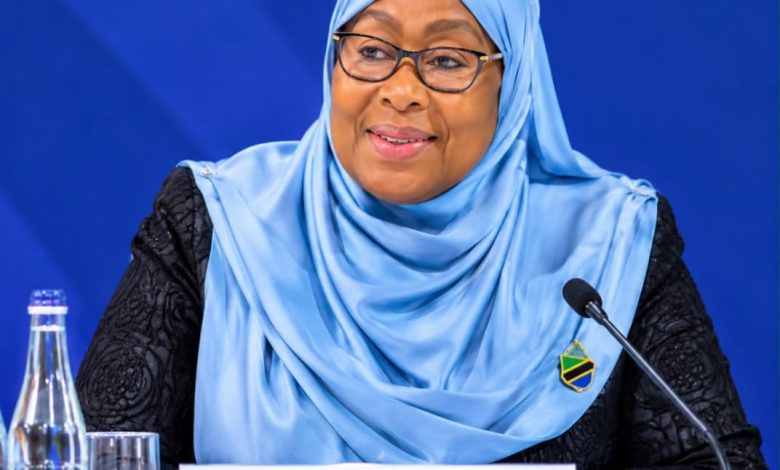
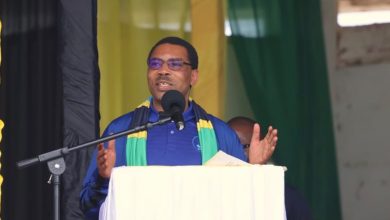
TURKEY: PRESIDENT Dr Samia Suluhu Hassan has called for accelerated action to expand access to clean cooking across Africa, urging governments, development partners and the private sector to translate financial commitments into practical solutions for millions of households still dependent on polluting fuels.
“Our success must be measured not only by the resources mobilised, but also by the number of families gaining access to affordable, reliable and sustainable clean cooking solutions,” President Samia said.
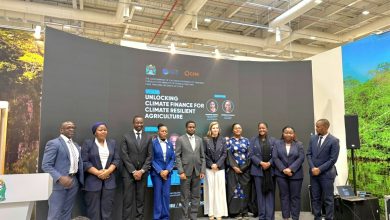
Addressing the COP31 High-Level Meeting on Clean Cooking Energy in Africa in Antalya, Türkiye, yesterday, President Samia said the continent must intensify efforts to ensure that clean cooking becomes accessible to every household, describing it as an investment in human development, women’s empowerment, economic opportunity and climate resilience.
She said nearly one billion Africans still lack access to clean cooking solutions, contributing to approximately 850,000 premature deaths annually.
“Women and children bear a disproportionate burden through exposure to harmful household smoke and the time spent collecting firewood, which limits opportunities for education and economic participation.
“Continued dependence on traditional cooking fuels also contributes to deforestation, environmental degradation and greenhouse gas emissions,” President Samia said.
President Samia highlighted progress in mobilising international support for clean cooking, recalling that the 2024 Clean Cooking Summit in Paris elevated the issue to a global political priority and secured 2.2 billion US dollars (about 5.81tri/-) in financial commitments.
According to figures from the International Energy Agency (IEA) presented by the President, approximately 740 million US dollars (approximately 1.95tri/-) of the Paris commitments had been deployed across 22 African countries by July 2026.
“An additional 900 million US dollars (about 2.39 tri/-) in financial commitments had been mobilised, bringing total commitments since the inaugural summit to approximately 3.1 billion US dollars (approximately 8.2tri/-),” she said.
She further said that more than 30 African countries had introduced 121 new clean cooking policies since 2024, demonstrating growing political commitment to expanding access.
President Samia said the progress showed that meaningful change was possible when political leadership was matched with financing, effective policies and partnerships.
However, she emphasised that success should ultimately be reflected in the number of households benefiting from affordable and sustainable technologies.
Highlighting Tanzania’s experience, President Samia said that clean cooking access in the country had increased from 16 per cent in 2022 to 28.6 per cent in March 2024, with the government expecting to reach 35 per cent by the end of 2026.
She said renewable energy accounted for almost 61 per cent of Tanzania’s electricity generation mix, reflecting the country’s efforts to strengthen energy security while promoting cleaner sources of power.
“The progress has been supported by government interventions, including rural electrification, reduced electricity tariffs for cooking, subsidies for liquefied petroleum gas equipment, tax incentives for clean cooking technologies and increased cooperation with development partners and the private sector,” President Samia said.
As of March 2026, the government had facilitated the distribution of more than 346,000 subsidised LPG cylinders, alongside over 49,000 induction stoves and 7,000 electric cookers.
Through the Cook Fund programme, implemented with support from development partners, more than 413,000 households, benefiting nearly two million people, had gained access to clean cooking solutions.
President Samia said the government remained committed to strengthening implementation of the National Clean Cooking Strategy through wider access to appropriate technologies, improved distribution networks and increased private sector investment, particularly in rural and underserved communities.
“Tanzania will continue working with African countries and international partners to advance the agenda, clean cooking must deliver tangible improvements in people’s lives,” she said.
Other African leaders at the meeting also outlined national interventions and called for stronger continental cooperation to accelerate the transition.
Lesotho’s Deputy Prime Minister and Minister of Parliamentary Affairs, Justice Notem Majara, highlighted initiatives promoting improved cookstoves, electric cooking in schools and renewable energy solutions for vulnerable households.
ALSO READ: Samia calls for climate action
She said Lesotho was working to expand access to efficient cooking technologies while addressing the country’s particular energy challenges, including the need for household heating during harsh winter conditions.
Among the initiatives she outlined was the introduction of energy-efficient electric pressure cookers in five schools in 2022, in partnership with the World Food Programme and the Modern Energy Cooking Services Programme.
“Areas that need continental cooperation includes affordable climate and development financing, technology transfer and local manufacturing, gender-responsive interventions, integrated household energy planning and stronger regional partnerships,” she said.
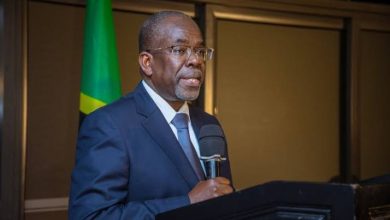
Somalia’s Prime Minister outlined his country’s ambition to achieve universal access to clean cooking by 2040, noting that charcoal and firewood remained widely used for household cooking and heating.
He said Somalia was working to mobilise partnerships, investment and institutional capacity to expand access, with particular attention to rural communities, pastoralists, displaced people and other vulnerable households.
The Prime Minister identified affordable cooking appliances, stronger markets, financing, technology transfer and public awareness as essential components of the country’s strategy