Tanzania calls for stakeholders’ support in implementing its education reforms
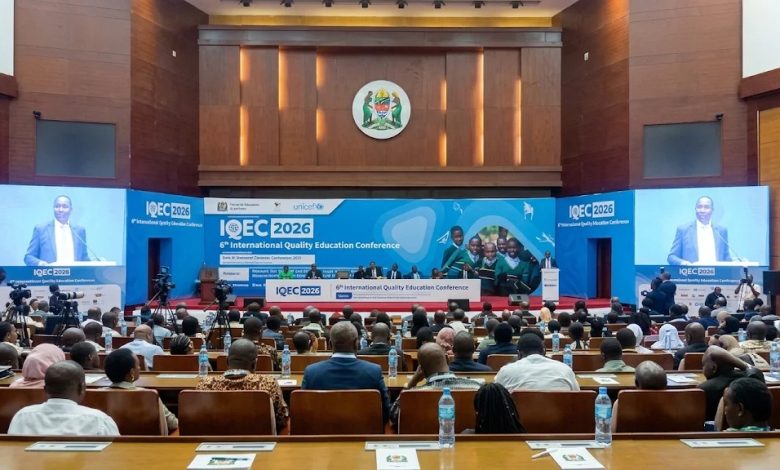
DAR ES SALAAM: THE Minister for Education, Science and Technology Prof Adolf Mkenda has called on education stakeholders, religious institutions and development partners to support the implementation of ongoing education reforms, saying the changes are already underway and there will be no turning back.
Speaking today at the International Quality Education Conference (IQEC) 2026 in Dar es Salaam, which began on November 11 and is scheduled to conclude tomorrow, November 13, Prof Mkenda said the reforms were aimed at equipping learners with practical skills, expanding access to education and preparing young people for employment and self-employment.
He said the government was implementing three major changes in the education sector, urging stakeholders to work closely with the government to ensure their successful implementation.
Prof Mkenda said the first reform involved strengthening skills-based education through the introduction of two secondary education pathways: general education and vocational education.
He explained that the vocational pathway would place greater emphasis on practical skills to enable graduates to enter the labour market or establish their own businesses.
He called on religious institutions and other education providers to invest in vocational schools, noting that such institutions require substantial resources but are increasingly important in preparing young people for employment.
He said many parents were interested in vocational education because students completing technical secondary education would acquire practical qualifications that could enable them to join the workforce immediately.
The minister identified the second reform as the extension of compulsory education from seven to 10 years, meaning that all children would be required to continue schooling through Form Four.
He explained that the change would also transform primary education from seven years to six years, but pupils would not leave the education system after completing Standard Six as they would be required to proceed to secondary education.
Prof Mkenda said implementation of the new curriculum began with Standard Three, with pupils who were in Standard Three when the reforms started expected to complete primary education after Standard Six next year before proceeding to Form One.
He added that pupils who were in Standard Four when implementation began continued with the previous curriculum and would complete Standard Seven, resulting in two groups completing primary education next year.
According to him, both groups would proceed to Form One in 2028, creating the need for adequate preparations to accommodate the increased number of secondary school entrants.
He said the government was therefore strengthening preparations for additional classrooms, teachers and other facilities to ensure that all eligible pupils could access secondary education.
The minister also called for the expansion of secondary school infrastructure, directing regional and local government authorities to ensure every village has access to a secondary school.
He said existing primary schools in villages could be identified for expansion through additional classrooms to enable children to access secondary education within reasonable walking distances.
Prof Mkenda added that boarding secondary schools would continue to be constructed, while authorities would also consider population distribution and geographical conditions when planning school locations.
He commended President Samia Suluhu Hassan for directing regional commissioners to make supervision of education reforms part of their performance responsibilities.
He also acknowledged the contribution of the President’s Office – Regional Administration and Local Government (TAMISEMI) in coordinating the implementation process.
The minister stressed that education reforms were not the responsibility of the government alone, calling on organisations such as Tanzania Education Network (TEN/MET), UNICEF, religious institutions and other development partners to maintain their support.
He thanked TEN/MET for organising the annual conference in collaboration with the ministry and other stakeholders, describing the platform as important in strengthening cooperation and discussions on improving education quality.
He said the sixth edition of the conference provided an opportunity for stakeholders to reflect on their contribution to the country’s education transformation agenda.
ALSO READ: IQEC 2026 opens with call for sustainable education financing
Prof Mkenda reiterated that successful implementation of the reforms would require collective commitment, urging all education stakeholders to align their efforts with the government’s priorities.
“Implementation has started, and there is no going back,” he emphasised.