TZ eyes agribusiness growth in indigenous crops
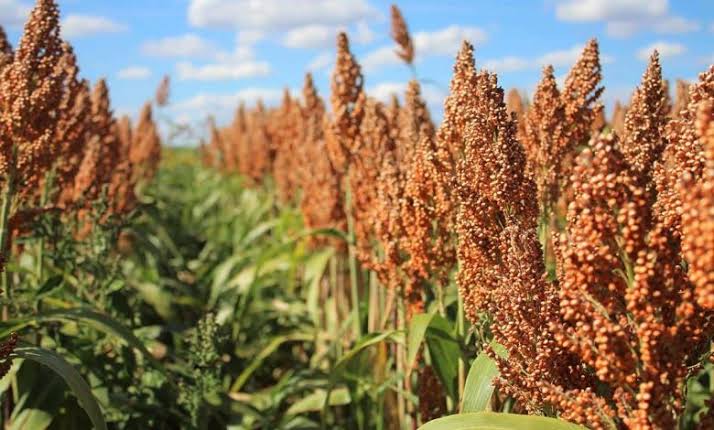
TANZANIA: TANZANIA’S underutilised crops, including cassava, sorghum, finger millet and cowpeas, present significant opportunities to drive agribusiness growth, boost export earnings and create rural employment.
These crops are gaining renewed attention under a continental initiative aimed at unlocking their commercial potential and accelerating their large-scale production, processing and marketing by 2035.
The initiative is outlined in the proposed 2026–2035 Roadmap for Integrating Opportunity Crops into Africa’s Agrifood Systems, developed jointly by the Food and Agriculture Organisation (FAO) and the Forum for Agricultural Research in Africa (FARA).
Released in August 2026, the roadmap envisions the systematic conservation, improvement, production, trade, processing and consumption of identified opportunity crops by 2035. It builds on the FAO-FARA continental consultation held in Accra, Ghana, in June 2026 and a stakeholder mapping exercise involving 84 institutions.
The roadmap seeks to address the limited commercial exploitation of crops with significant nutritional, environmental and economic potential, despite their suitability for different climatic conditions and contribution to food security.
For Tanzania, the initiative presents an opportunity to strengthen value chains for crops such as sorghum, millet, cassava, cowpeas, pigeon peas and indigenous vegetables, which are already cultivated in different parts of the country but remain relatively underdeveloped in formal markets.
A study published in 2025 on indigenous crops in Tanzania’s agricultural trade found that only three out of 28 crops examined, namely cassava, sorghum and cowpeas, had recognition in international markets.
Most of the remaining crops were largely traded in domestic and rural markets, highlighting the need for stronger commercialisation strategies.
The country’s agricultural sector also faces challenges in processing and value addition. According to the Ministry of Agriculture’s 2023/24 annual report, Tanzania had 430 cereal-processing facilities, including only one for sorghum and two for finger millet, compared with 296 for maize and 131 for rice.
The figures illustrate the investment opportunities available in processing infrastructure, storage, improved seeds and market development for less-commercialised crops.
ALSO READ: How Tanzanian poultry can access foreign markets-FAO
The roadmap outlines seven priorities, including conservation, research, seed systems, production, valuechain development, financing and institutional coordination.
Implementation will follow three phases, preparation in 2026–2027, scaling up and validation in 2028–2030 and institutionalisation and sustainability in 2031–2035.
Countries will select priority crops based on clear criteria and review them every three years to reflect national priorities and market opportunities.
The roadmap calls for stronger collaboration among researchers, farmers, processors, financial institutions and investors to develop commercially viable crop value chains.
The roadmap proposes crop-based financing and annual progress assessments, with reviews in 2027, 2030 and 2035. Its success will depend on translating priorities into investments and policies that raise farmers’ incomes, improve food security and strengthen agricultural resilience.