Water access must guarantee safety, not just availability
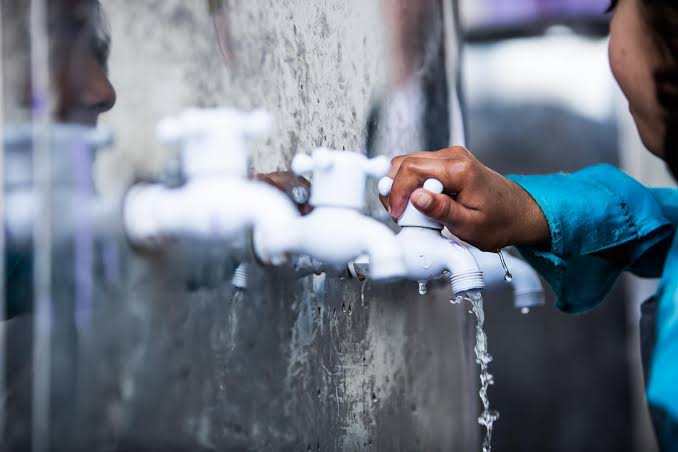
DAR ES SALAAM: THERE is little comfort in turning on a tap only to find it dry, or worse, to see water flowing that is unsafe for drinking. For many households, access to water remains a daily struggle, reminding us that progress in the water sector must be measured by more than figures on paper.
The government and stakeholders should ensure that every Tanzanian receives clean, safe and reliable water whenever needed and at an affordable cost.
Indeed, the Controller and Auditor General’s latest audit reports that non-revenue water averaged 35 per cent nationally in 2024/25, up from 32 per cent a year earlier. For instance, in Dar es Salaam, losses reached 53 per cent, while 28 water authorities exceeded the regulator’s 20 per cent threshold.
These figures represent treated water lost through leaking pipes, ageing infrastructure and other operational weaknesses. More importantly, they reflect resources that could, otherwise, serve households, schools, hospitals and businesses.
Such losses cannot be dismissed as ordinary operational challenges. Leaving leaking pipes unattended for days or months wastes treated water, reduces pressure and disrupts supply.
Worse still, the Ministry of Water’s technical guidance warns that intermittent supply can allow polluted water to enter distribution mains through leaking joints when pressure falls.
Therefore, a visible leak is not merely an inconvenience; it can develop into a public-health threat. Authorities must repair reported faults promptly, establish clear response standards and hold responsible managers accountable.
However, ensuring that water flows is only half the responsibility. Its safety is equally important. The World Health Organisation links contaminated drinking water to diseases such as diarrhoea, cholera, dysentery, typhoid and polio.
Safe water is essential for handwashing, food preparation, personal hygiene and infection prevention. It protects children from preventable illnesses, supports school attendance and enables health facilities to provide safer care.
ALSO READ: Ushetu 44.5bn/- water project delay sparks councillors’ concern
Families should not be forced to spend scarce resources treating diseases caused by unsafe water or purchasing alternatives because public supplies are unreliable.
To address these challenges, the government should strengthen routine water-quality testing from treatment plants to household taps, ensure effective disinfection, protect water sources against pollution and promptly alert residents whenever supplies are unsafe.
We must admit it that reliable water supply is a shared responsibility, but institutional accountability must come first.
Tanzania must judge progress by water that reaches households consistently and is independently verified as safe, not merely by connections established or infrastructure constructed.
Every household deserves water that safeguards health and human dignity.