What Tanzania’s 604.6bn/- school investment means for education
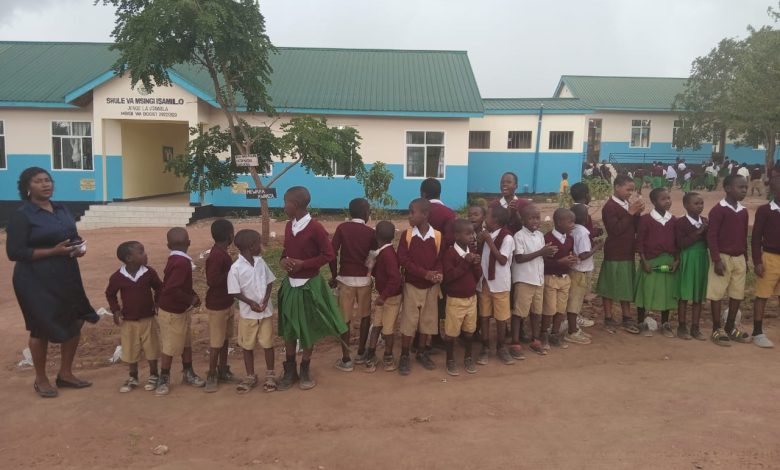
MWANZA: Tanzania has spent 604.6bn/- in the past five years to construct 676 new schools and 34,464 pit latrines to improve the learning environment for students.
The Deputy Minister of State in the Prime Minister’s Office–Regional Administration and Local Government (PMO-RALG), Dr Festo Dugange, revealed this yesterday at Isamilo Primary School in Sengerema District in Mwanza Region, one of the 676 schools constructed under the BOOST Primary Student Learning Programme (2022–2026).
The four-year programme is expected to conclude at the end of December this year. The Deputy Minister stated that the project has exceeded its target by 40 percent in improving learning infrastructure, including accommodating pupils with special needs.
Dr Dugange noted that the improved learning environment has subsequently boosted academic performance in primary schools across the country.
Citing Mwanza, one of the regions with the highest pupil populations, he highlighted that it ranked second in the Primary School Leaving Examination (PSLE) 2026 results recently released by the National Examinations Council of Tanzania (NECTA).
“Driven by the great dedication of our Sixth-Phase Government led by President Dr. Samia Suluhu Hassan, approximately 541m/- was allocated here (to Isamilo Primary School) to construct more than 14 classrooms. As the government has always maintained, it cares deeply about our children by building quality schools to ensure they learn in a conducive environment,” he said.
ALSO READ: How smart classrooms, smartboards are smartly connecting schools
To guarantee the long-term sustainability of the school infrastructure, the Deputy Minister urged local government authorities, teachers, and parents to safeguard these facilities and conduct regular maintenance.
He attributed this achievement to the well-designed BOOST programme, into which the government injected 1.15tri/- to construct over 16,000 classrooms, many of which are equipped with ICT capabilities.
For her part, the Sengerema District Commissioner, Ms. Senyi, stated that prior to the construction of the school, pupils were forced to walk long distances to access education.
“Initially, there was no school here. This is a brand-new facility constructed under the BOOST project, built with modern infrastructure,” she said.
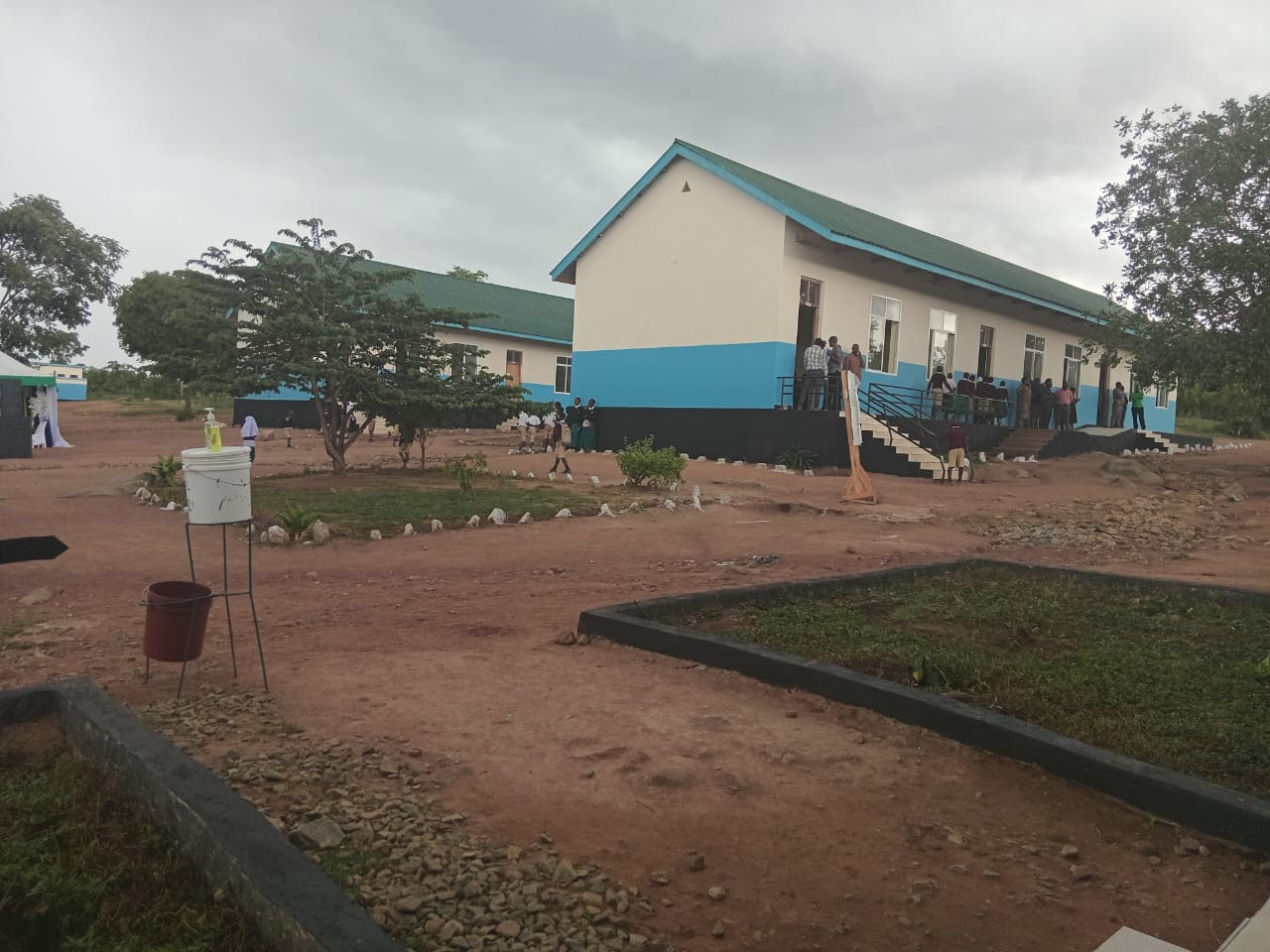
Ombeni Maduhu, a resident of Isamilo, noted that their children are no longer forced to walk long distances for education, as their neighbourhood now features a modern, well-equipped school capable of accommodating all pupils, regardless of their physical challenges. He added that even children with disabilities can comfortably study at the school because the classrooms and toilets are specially designed to be inclusive.
BOOST Primary Student Learning Programme (2022–2026) launched with an initial target of 12,000 new classrooms, along with the rehabilitation of dilapidated schools, construction of new schools, and ICT investments. By the end of this year, the project had exceeded its target by 40 percent, delivering over 16,000 classrooms, rehabilitating 1,059 primary schools, and rebuilding 51 schools.
According to the PMO-RALG report, 237.9bn/- under the BOOST programme was spent on rehabilitating 1,059 dilapidated primary schools, while 53.9bn/- was spent on additional rehabilitation and rebuilding efforts.
The project’s total expenditure stands at approximately 1.15tri/-, making it one of the government’s largest education investments over the past four years.
Out of these funds, 480 million USD is disbursed under the Program-for-Results (PforR) financing model, while 20 million USD is allocated directly to fund operational activities and program coordination under Investment Project Financing (IPF).
The BOOST programme is implemented jointly by two ministries: the Ministry of Education, Science, and Technology provides guidelines and sets implementation standards, while the President’s Office–Regional Administration and Local Government (PO-RALG) oversees the execution of project interventions across Local Government Authorities (LGAs).