BoT, HESLB move to curb poor student money management
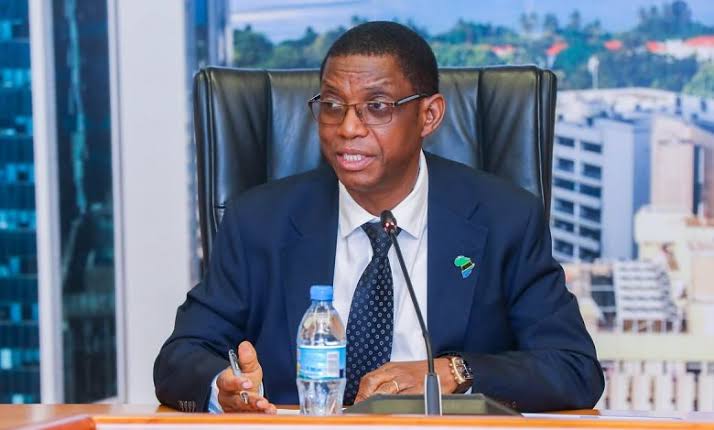
DAR ES SALAAM: POOR financial management among university students poses risks to personal finances, education loan utilisation and future repayment, prompting the Bank of Tanzania (BoT) and HESLB to introduce financial literacy training targeting higher learning institutions.
The programme seeks to equip students with practical money management skills, including budgeting, saving, investment, responsible borrowing and protection against financial fraud, as concerns grow over how young people manage limited financial resources.
BoT Governor Emmanuel Tutuba said financial literacy was essential in helping young people make informed financial decisions, manage their resources and achieve personal economic goals.
During the launch of the programme yesterday, jointly developed by BoT and HESLB, will be delivered through the Student Individual Personal Accounts (SIPA) digital platform.
Mr Tutuba said the training materials had been prepared in book form and would be accessible through the central bank’s website and the SIPA platform, extending access beyond students who receive government loans.
The programme will also cover identifying legitimate sources of income and understanding formal financial services, areas considered important as young people increasingly participate in the financial system.
Mr Tutuba said the initiative was aligned with the National Development Vision 2050 and the Third National Financial Inclusion Framework (2023–2028), which identifies young people as a group requiring greater access to financial services and financial education.
ALSO READ: HESLB eyes instant loan payments for students
“Its effectiveness would be assessed not only by the number of students reached but also by changes in their financial behaviour, particularly their ability to save, manage expenditure and prioritise essential needs,” he said.
HESLB Director General Dr Bill Kiwia said the board’s responsibility extended beyond providing loans, as beneficiaries also needed guidance on managing the funds to meet their education and personal needs.
Dr Kiwia said financial literacy could help students make informed spending decisions, avoid unnecessary expenditure and prepare for loan repayment after completing their studies.
“Through this programme, students will learn how to save, plan their expenditure and use formal financial services to avoid challenges that may arise from poor financial management,” he said.