Tanzania targets funding to drive green transition
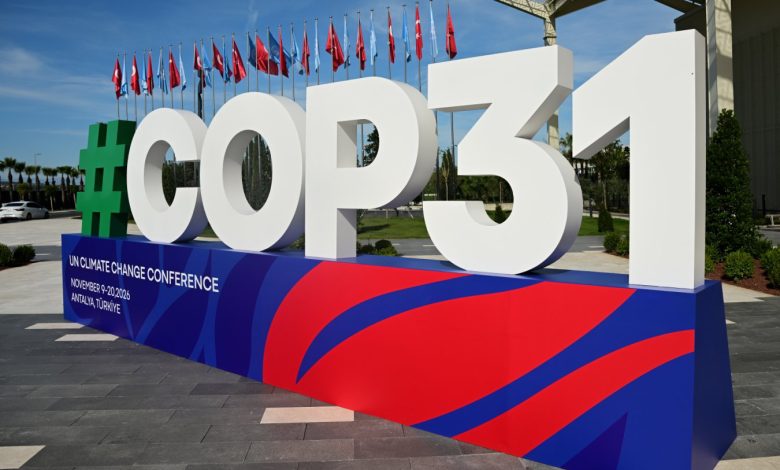
- Country to push for accessible climate finance, adaptation support, technology transfer and climate justice at Antalya conference
DAR ES SALAAM: TANZANIA will use the 31st Conference of the Parties to the United Nations Framework Convention on Climate Change (COP31) to push for increased climate financing, stronger adaptation support and technology transfer, as it seeks to translate its climate commitments into practical action.
The conference, scheduled for November 9–20, 2026, in Antalya, Türkiye, will bring together world leaders, policymakers, climate experts, development partners, the private sector and civil society to advance global climate action.
Tanzania’s preparations include 18 negotiating areas, 19 proposed bilateral meetings and 34 side-event meetings at its national pavilion.
The country’s proposed theme is “Tanzania’s Inclusive Climate Action for Dira 2050: Building a Resilient, Green and Prosperous Nation,” reflecting its ambition to link climate action with long-term national development.
The country is also seeking to mobilise 7.3tri/- for environmental and climate change programmes under the Environmental Management Transformation Programme towards Dira 2050.
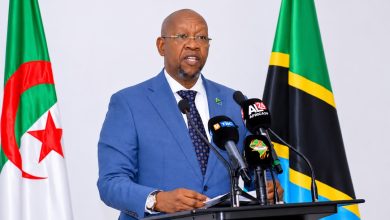
Permanent Secretary in the Vice-President’s Office, Dr Richard Muyungi, has emphasised the importance of securing resources through international negotiations.
“As we head to the conference, it is our responsibility to ensure these funds are secured through negotiations,” he said.
Climate finance will be a major negotiating priority, with Tanzania advocating adequate, predictable, accessible and affordable funding for adaptation and mitigation in developing countries.
“Tanzania will advocate adequate, predictable, accessible and affordable funding for adaptation and mitigation in developing countries,” said Dr Muyungi.
The country’s position supports mobilisation of at least 300 billion US dollars annually by 2035 under the New Collective Quantified Goal on Climate Finance, while backing efforts to scale up financing towards 1.3 trillion US dollars annually through the Baku-to-Belém Roadmap.
“We also want improved access to climate funds, particularly for least developed countries and small island developing states, alongside stronger support through the Green Climate Fund, Adaptation Fund and Standing Committee on Finance,” said Dr Muyungi.
Adaptation will also feature prominently, particularly implementation of Tanzania’s submitted National Adaptation Plan (NAP).
Agriculture and water are identified as priority sectors, with the country seeking timely finance, technical assistance and support to develop bankable projects.
It will also advocate integrating adaptation into national development plans, sectoral policies and budgets, with meaningful participation of women, youth and marginalised groups.
On loss and damage, Tanzania will press for new, additional, predictable and grant-based resources, simpler access procedures and support for vulnerable communities.
It will also seek stronger coordination among the Warsaw International Mechanism, Santiago Network and Fund for Responding to Loss and Damage, while strengthening national capacity to assess economic and non-economic losses, including impacts on health, biodiversity and cultural heritage.
The delegation will further reaffirm Tanzania’s commitment to the Paris Agreement and seek international finance, technology transfer and capacity-building to implement its Nationally Determined Contribution (NDC 3.0).
Under Article 6 of the agreement, Tanzania will advocate environmental integrity, prevention of double counting and host-country control over carbon credit authorisation.
ALSO READ: Tanzania set for COP31 Climate Change Conference in Türkiye
It also wants transparent reporting, stronger registries and fair participation that delivers sustainabledevelopment benefits to local communities.
Other negotiating issues include mitigation, capacitybuilding, just transition, gender and climate change, the Global Stocktake, agriculture and food security, research and systematic observation.
On gender, Tanzania will seek stronger implementation of the Gender Action Plan 2025–2035, genderresponsive climate finance and greater participation of women in climate decisionmaking.
Beyond negotiations, Tanzania will host a highlevel side event on November 11 titled “Advancing Tanzania’s Energy Transition and Investment Plan through Clean Cooking in Schools and Health Facilities.”
The Youth and Business Forum, scheduled for November 12–13, will bring together young people, entrepreneurs and investors to promote innovation, skills development and climate partnerships.
COP31’s wider Action Agenda will cover ten priority areas, including food security, oceans and seas, zero waste, climate-resilient cities, youth and education, green industrialisation, clean energy transition and health systems.