EAC bloc urged to work closely in preparedness for El Niño-related threats

NAIROBI: EAST African Community (EAC) Partner States have been urged to strengthen regional cooperation and take urgent measures to mitigate the anticipated impacts of severe El Niño rains, including floods, landslides, infrastructure damage and disruptions to trade and livelihoods.
The call was made during the opening of an Emergency Multi-Sectoral Experts Meeting on Preparedness and Regional Response to the Anticipated Severe El Niño Rains, being held in Nairobi, Kenya, from November 4 to 6, 2026.
The Tanzanian delegation to the meeting is led by the Director of Disaster Management Department in the Prime Minister’s Office (Policy, Parliament, Coordination and Persons with Disabilities), Brigadier General Hosea Ndagala.
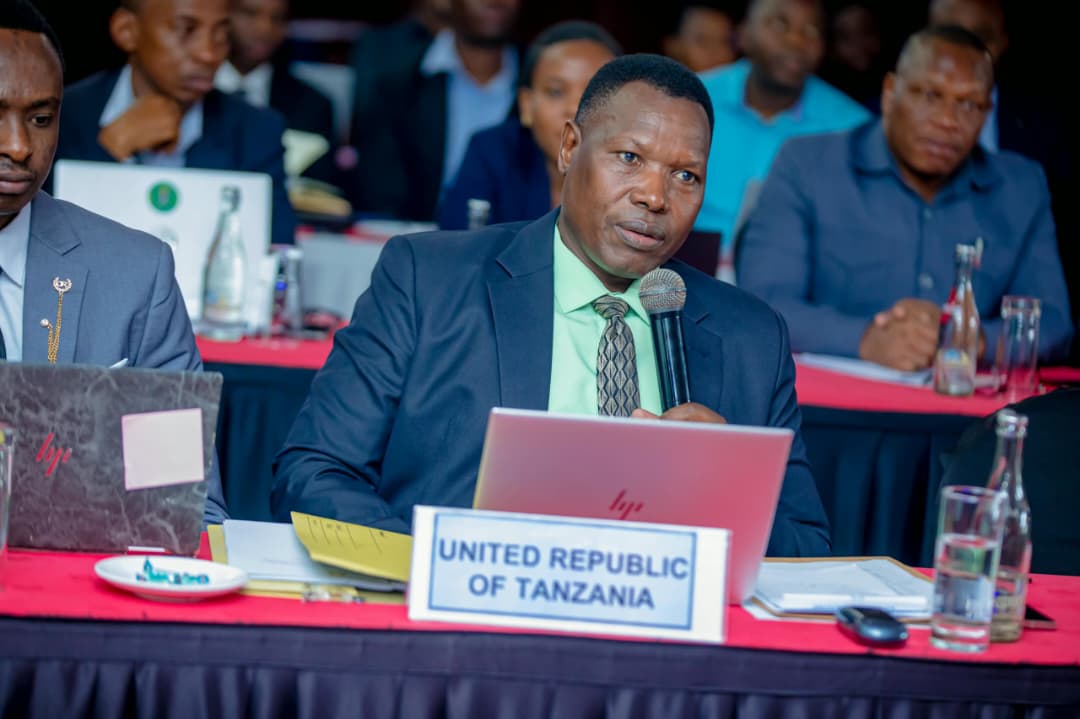
Speaking at the opening, Uganda’s Joint Multi-Sectoral Food Security and Nutrition Project Coordinator, Mr Julius Twinamatsiko, said forecasts indicated the possibility of above-normal rainfall between October and December 2026, calling for urgent preparedness and coordinated regional action.
He urged Partner States to identify vulnerable transport infrastructure, establish alternative routes, ensure adequate supplies of food and livestock feed, and strengthen health services and disease surveillance to prevent outbreaks associated with flooding.
An EAC Secretariat representative emphasised that El Niño-related impacts could threaten peace, security and economic development, underscoring the need to integrate national preparedness efforts into a coordinated regional response.
ALSO READ: Tanzania partners with WHO to assess preparedness for Ebola outbreak
The meeting seeks to assess Partner States’ preparedness and response capacities, identify gaps and develop a regional coordination plan to safeguard lives, essential services and economic activities across East Africa.
The initiative comes as regional cooperation remains critical in strengthening resilience against climate-related disasters, particularly those capable of disrupting cross-border trade, transport networks and the livelihoods of vulnerable communities.