Dodoma records 99pc HIV viral suppression rate

DODOMA: DODOMA region has recorded a major milestone in HIV control, with 99 per cent of people living with the virus who adhere to antiretroviral therapy achieving viral suppression, signalling significant progress in treatment outcomes and efforts to curb transmission.
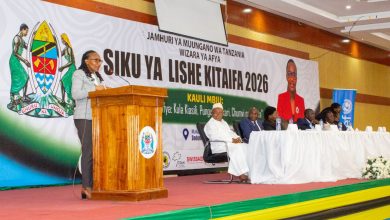
Dodoma Regional Medical Officer, Dr Thomas Rutachunzibwa said recently in the capital during the closing ceremony of the US government-funded Meeting Targets and Maintaining Epidemic Control (EpiC) Project that there is a need for early testing and consistent adherence to medication in controlling the virus. He urged residents to go for HIV testing and begin treatment early if diagnosed with the virus to protect their health and reduce the risk of transmitting it to others.
“Those who have started treatment and adhered to it properly, approximately 99 per cent have managed to suppress the virus, meaning that the viral load in their bodies has decreased. Our goal is to ensure that people get tested, know their health status and begin treatment to reduce the amount of virus in their bodies and the risk of transmitting it to others,” he said.
The project was implemented by FHI 360 in collaboration with the Tanzania Home Economics Association (TAHEA).
Dr Rutachunzibwa explained that during implementation, the organisations provided HIV and AIDS education, testing services, linked people diagnosed with HIV to treatment services and followed up to ensure beneficiaries accessed and continued with their medication.
For his part, EpiC Project Manager, Mr Gideon Muganda said the initiative targeted vulnerable populations by ensuring they receive information, know their health status and are linked to treatment and care services.
“We ensure the vulnerable population participates in strengthening HIV and AIDS interventions within their communities,” he said.
ALSO READ: EGPAF takes over HIV services support in Tabora
He added that the implementation involves various stakeholders, including community leaders and security organs. Meanwhile, TAHEA Projects Director, Mr Peter Mapunda said the project has built the capacity of healthcare providers, educators, religious leaders and stakeholders from different sectors to ensure HIV and AIDS interventions continued beyond the project’s closure.
He explained that sustainability has been strengthened through the use of government health systems, engagement of healthcare workers and close collaboration with government leaders at street, village and ward levels. Similarly, Dodoma City Council Coordinator for HIV, Hepatitis and Sexually Transmitted Infections Control, Dr Hellen Baltazar, said the project has helped to bring services closer to communities through HIV testing, identification of people’s HIV status, treatment follow-ups and ensuring that beneficiaries accessed services without being left behind.