

Stakeholders urge CNG investment to promote cleaner, affordable transport
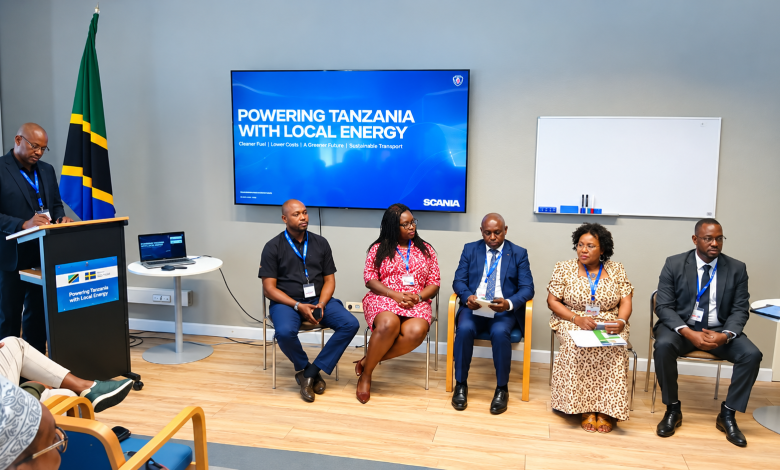
DAR ES SALAAM: STAKEHOLDERS from the government and private sector have called for increased investment in Compressed Natural Gas (CNG) infrastructure, affordable financing and public awareness to accelerate the adoption of natural gas-powered vehicles, reduce Carbon Dioxide (CO₂) emissions and lower transport operating costs.
They said wider use of CNG in the transport sector would provide an opportunity to reduce dependence on conventional fuels, improve operational efficiency and support Tanzania’s transition towards cleaner and more sustainable mobility.
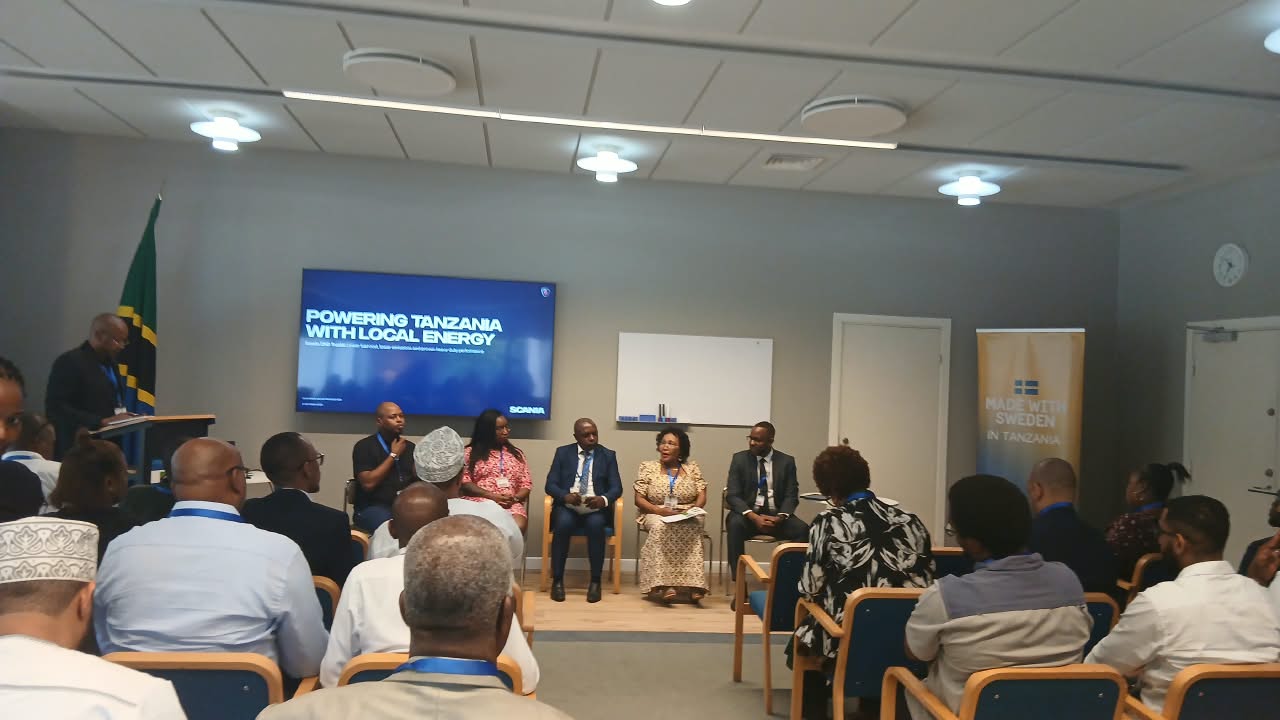
The stakeholders made the call during a panel discussion organised by Scania Tanzania at the Swedish Embassy in Dar es Salaam today, October 30, 2026, which brought together energy experts, transport operators, investors and other stakeholders to discuss opportunities and challenges in expanding the use of CNG.
They observed that adopting natural gas as an alternative transport fuel could deliver both environmental and economic benefits, particularly through reduced vehicle emissions, lower fuel expenditure and improved business competitiveness.
They further noted that companies operating CNG-powered vehicles could benefit from reduced operating costs, while the lower emissions could help businesses respond to increasingly stringent environmental requirements in local and international markets.
Speaking during the discussion, Engineer Shukurani Rugaimukamo from the Ministry of Energy, representing the Permanent Secretary, highlighted the importance of strengthening cooperation between the government and private sector to unlock Tanzania’s natural gas potential.
He said Tanzania had made progress in developing natural gas infrastructure, noting that existing and planned pipeline networks, including the proposed connection from Chalinze towards Uganda, presented opportunities for expanding gas accessibility and supporting increased CNG consumption.
He said the country needed to make better use of its existing infrastructure while encouraging further investment to extend gas distribution networks and establish more filling stations.
“We have infrastructure that provides an opportunity to distribute natural gas to different areas. What is important now is to build on these investments and strengthen collaboration with the private sector to expand its use,” he said.
Participants said expanding CNG infrastructure would be important in addressing the limited availability of refuelling facilities, which remains a challenge for transport operators considering shifting from diesel-powered vehicles.
They also discussed the need to increase the number of CNG filling stations and improve access to financing to encourage transport companies to invest in natural gas-powered vehicles.
They observed that although Tanzania has considerable natural gas resources, limited infrastructure, high initial investment costs and inadequate public awareness remain among the factors affecting wider adoption of the technology.
Engineer Joyce Kisamo and Civil Engineer Franklin Luvuva also contributed to the discussion, highlighting the importance of technical capacity, stakeholder coordination and ensuring that the economic benefits of CNG adoption reach ordinary citizens.
Luvuva stressed that the savings transport operators obtain from using natural gas should also translate into affordable fares for passengers rather than benefiting investors alone.
“When transport operators reduce their operating costs through the use of CNG, passengers should also benefit from those savings through more affordable fares. The benefits should reach the wider public,” he said.
He argued that the transition to cleaner energy should not only focus on investors’ profitability but also improve the living standards of ordinary Tanzanians through reduced transport costs.
Benedict Ndunguru, Head of Commercial at Puma Energy, emphasised the importance of financial institutions in supporting the expansion of CNG infrastructure, particularly through financing arrangements that would attract more investors.
He said access to capital was essential for businesses seeking to establish filling stations and expand services needed to support natural gas-powered transport.
“We need support from banks and other financial institutions because investors require capital to establish infrastructure and make CNG services more accessible,” he said.
The panel further examined the operational experiences of CNG-powered vehicles, including safety requirements, maintenance, technology standards and the availability of skilled personnel to operate and service the systems.
On environmental benefits, participants noted that natural gas-powered vehicles could contribute to reducing harmful emissions compared with conventional diesel-powered vehicles, making CNG an alternative for companies seeking to improve their environmental performance.
They said reducing (CO₂) emissions from transport would also support broader efforts to address climate change while enabling businesses to align their operations with environmental sustainability standards.
The stakeholders further highlighted that the economic advantages of CNG extended beyond fuel savings to include opportunities for investment in filling stations, gas distribution, vehicle conversion, maintenance and technical services.
Tamara Nerima, Marketing Director at Scania Tanzania, emphasised the importance of continued engagement among vehicle manufacturers, government institutions, energy companies and transport operators to address existing challenges and identify practical solutions.
She said collaboration would help create an enabling environment for businesses interested in investing in CNG-powered transport and related services.
The stakeholders also called for increased public awareness to address concerns about natural gas technology, particularly its safety, operational requirements, maintenance and long-term economic benefits.
They emphasised the need to strengthen technical training institutions so that more technicians and operators acquire the skills required to handle CNG vehicles and their associated infrastructure.
ALSO READ: Tanzania positions itself to become Africa’s carbon market hub
They further urged financial institutions and development partners to support investments in the sector, saying affordable financing would encourage transport operators to acquire natural gas-powered vehicles and investors to establish additional refuelling facilities.
The discussion brought together representatives from various institutions and companies, including Scania Tanzania, Puma Energy, the Dar es Salaam Rapid Transit Agency (DART), Mofat Company Limited and Bakhresa Group, among other stakeholders.



You are right, the resources is available, but public know how is still a problem. You can figure it out that only few parts of the country have access to natural gas. In fact if there was sufficient knowledge some people would have shifted to Cng, let us compare prices; a kg of Cng is available at Tshs1550, and it can run more than 16km, while petroleum are sold at Tshs4000=, and can run less than 12 km per litter, so lack of common sense has hinder people in shifting to Cng. You have also hinted at environmental benefits, but most are ignoring, till when they are warned of elnino. The convention of petroleum use motor vehicle costs roughly Tshs 2million, which can be recovered for the period of less than a year from saving due to shift. Each region of a country would have worked out to have at least 2 motor vehicles Cng filling stations, before the introduction of pipelines, since it can be moved by some specific Cng carriers lorries. So let us act and save money. The investment or initial capital for a starting Cng filling station starts from Tshs 500m up to billions depending at how many outlets you require, the speed of filling, compressor capacity, tanks capacity etc. So I want to thank you for the gathering.