Tanzania rallies neighbours to save Lake Tanganyika
DAR ES SALAAM: TANZANIA has urged countries sharing Lake Tanganyika to move beyond policy commitments and take concrete action to combat pollution, illegal fishing and climate change threatening the lake’s biodiversity and the livelihoods of more than 13 million people.
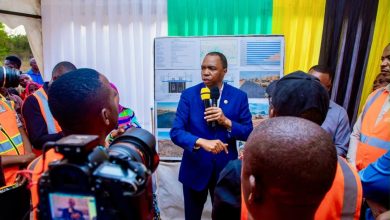
Permanent Secretary in the Vice-President’s Office (Union Affairs and Environment), Dr Richard Muyungi, made the call yesterday during the opening of the 15th Ordinary Meeting of the Lake Tanganyika Authority (LTA) Management Committee.
The four-day meeting brings together representatives from Tanzania, Burundi, the Democratic Republic of the Congo (DRC) and Zambia to review conservation efforts and formulate recommendations for the Conference of Ministers scheduled for October 29 and 30.
Speaking at the meeting, Dr Muyungi stressed the need for the four countries to strengthen regional cooperation, improve fisheries management and mobilise adequate funding to address mounting environmental threats facing the lake.
He identified declining water quality, illegal fishing, pollution and climate change as major challenges requiring coordinated action to safeguard the lake’s ecosystem and sustain economic activities among communities that depend on its resources.
“These resolutions will help protect the lake’s biodiversity, safeguard economic activities and preserve the blue economy opportunities available in the lake,” Dr Muyungi said.
He said the recommendations should provide a basis for ministers to make practical decisions aimed at strengthening the sustainable management of the lake and protecting the livelihoods of millions of people across the four countries.
Dr Muyungi insisted that effective conservation requires more than regulations, calling on member states to align their interventions with the region’s Strategic Action Programme to ensure coordinated and sustainable management of the lake’s resources.
He also underscored the importance of greater private-sector participation in conservation efforts, saying the involvement of businesses and other stakeholders will help mobilise financial and technical resources needed to implement environmental protection programmes.
“I urge greater private sector participation as an important step towards achieving our objectives. We must create an enabling environment for communities to access capital and resources at the local level,” he said.
Dr Muyungi further called for closer collaboration with regional institutions, including the Lake Victoria Basin Commission, to promote knowledge sharing, strengthen the management of transboundary water resources and improve environmental protection.
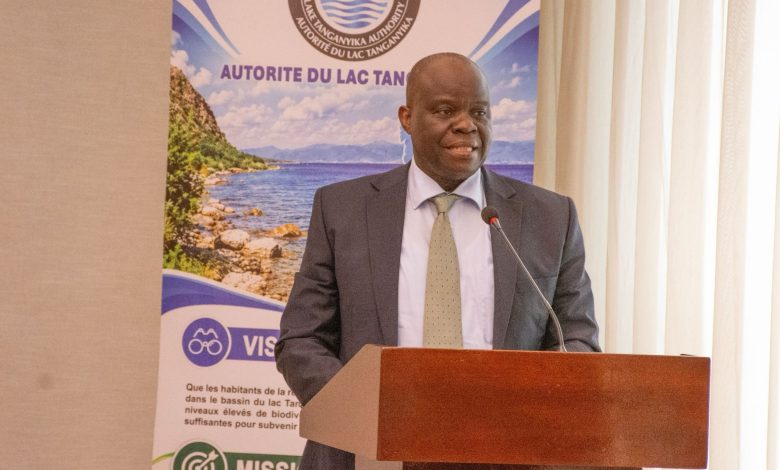
LTA Management Committee Chairperson, Mr Richard Lungu, said the meeting provides an important platform for member states to assess progress in implementing conservation initiatives, identify existing gaps and agree on practical measures to address emerging challenges.
He said Lake Tanganyika continues to face growing pressure from unsustainable fishing practices, pollution, degradation of critical habitats, climate change and population growth, threatening its ecological integrity and economic potential.
“Our collective responsibility is therefore to ensure that this natural ecosystem is sustainably managed, protected and preserved for the benefit of present and future generations,” he said.
Mr Lungu stressed the importance of collective responsibility among member states in ensuring that conservation commitments translate into meaningful interventions capable of addressing threats facing the lake.
Meanwhile, LTA Executive Director, Dr Emma Liwenga, said mounting environmental challenges have prompted the authority to review its Strategic Action Programme, which was last reviewed in 2012.
She said the review is intended to respond to changing environmental conditions and increasing pressure on the lake’s natural resources, while strengthening regional efforts to protect its biodiversity and support sustainable economic development.