Public projects must deliver value for money
DAR ES SALAAM: PUBLIC investment is justified by the benefits it brings to citizens, not merely by the money allocated, contracts signed or funds disbursed.
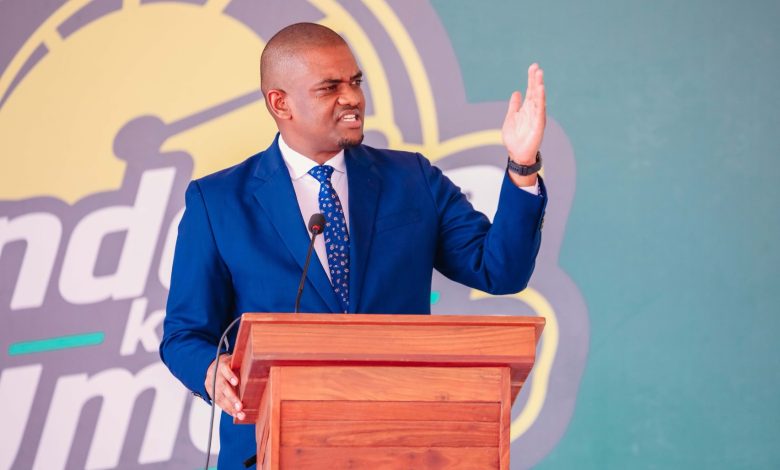
The Vice-President, Deogratius Ndejembi’s concerns over delays in infrastructure projects in Mbeya Region therefore raise an important question: Are taxpayers getting value for money? During his working visit, Mr Ndejembi expressed dissatisfaction with the slow progress of the 29-kilometre Nsalaga (Uyole)-Ifisi four-lane road project, which was 45.67 per cent complete despite substantial financing.
He also questioned why some roads remained closed, inconveniencing motorists, traders and residents, even after officials had been instructed to reopen them.
These concerns go beyond construction schedules. Prolonged roadworks disrupt economic activity, increase transport costs and expose businesses and households to avoidable difficulties.
Where implementation falls behind schedule, it’s the people who bear the cost while the anticipated benefits of public investment remain out of reach.
The project, valued at 183.708bn/-, illustrates why financial commitments must be matched by measurable progress.
The Vice-President said the contractor had received an advance payment of 20bn/- and demonstrated access to another 20bn/- through a bank.
Although financing alone does not establish how much work should have been completed, it raises legitimate questions about the relationship between resources available, contractual obligations and actual performance. Value for money requires more than spending within an approved budget.
It means delivering the promised infrastructure at a reasonable cost, to the required standard and within the agreed timeframe.
A completed road must also be durable, safe and capable of supporting the economic activities for which it was intended.
Effective supervision is therefore essential. Project managers and supervising authorities must verify progress, identify bottlenecks early and ensure contractors meet their obligations.
Reports to senior officials must be accurate, while procurement and contract-management procedures should provide clear grounds for corrective action where performance falls short.
Mr Ndejembi’s unannounced inspection, after finding roads still closed despite earlier instructions, underscores the need to verify official assurances against conditions on the ground.
ALSO READ: PCCB smells a rat in 913 out of 1,864 monitored public projects
Where negligence or deliberate misrepresentation is established, appropriate action should follow due process.
Accountability, however, should extend beyond disciplinary measures to correcting implementation failures and preventing their recurrence.
The other projects reported in Mbeya also warrant close monitoring. The Katumba-Lupaso road was 6.6 per cent complete, while the MbakaKibanja road stood at just 0.3 per cent.
Such figures require context, including contract commencement dates, scheduled milestones and reasons for the reported progress, before firm conclusions can be drawn. Ultimately, citizens need functioning infrastructure, not repeated promises.
The government must strengthen project monitoring, enforce contractual obligations and disclose progress against clear milestones.
Public money is scarce, and every shilling committed to development should produce the greatest possible public benefit.