Tanzania’s clean cooking energy now zeroes in on public, private institutions
MOROGORO: THE Tanzanian government has continued to encourage institutions across Tanzania, including schools, hospitals and other facilities that prepare meals for large numbers of people, to switch to clean cooking energy to reduce the health risks associated with smoke and protect the environment.
Amina Almas, an engineer from the Ministry of Energy, reminded institutions of the government directive while presenting the National Clean Cooking Energy Strategy 2024–2034 during training for leaders of the Tanzania Food Vendors Association (UMALITA) in Morogoro Region.
Almas said that out of the 30,000 institutions targeted to transition to clean cooking energy nationwide, 1,472 had already begun using the energy sources. The initiative is part of the implementation of a national strategy aimed at ensuring that 80 per cent of Tanzanians use clean cooking energy by 2034.
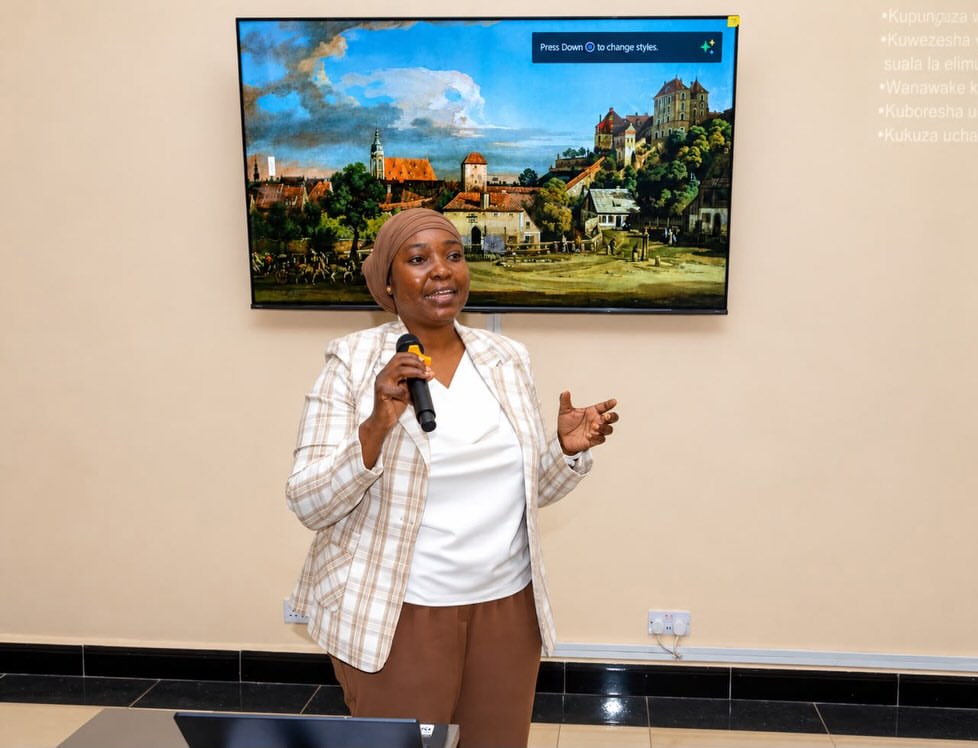
She also emphasised the importance of food vendors adopting clean cooking energy in their daily operations, noting that it helps reduce smoke-related health risks, save time, improve cooking efficiency and create employment and business opportunities.
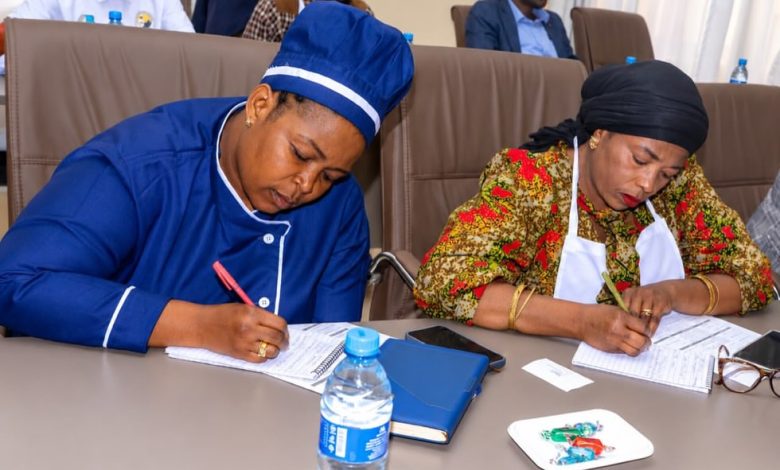
During the training, UMALITA leaders also received information on the National Clean Cooking Energy Communication Strategy, which seeks to strengthen the dissemination of information, public education and awareness campaigns to increase the use of clean cooking energy across the country.
ALSO READ: Tanzania trains food vendors how to promote clean cooking energy instead of charcoal, firewood
Presenting the strategy, Felista Mganga, an information officer from the Ministry of Energy, said it had been developed by the ministry in collaboration with the United Nations Capital Development Fund (UNCDF), with funding from the European Union (EU). It was launched on June 2, 2025, in Dodoma.
Mganga said the strategy provides a coordinated approach to delivering information and education on clean cooking energy to the public through radio, television, newspapers, social media, meetings and exhibitions.