Economic empowerment key to ending child marriage

DAR ES SALAAM: STAKEHOLDERS have called for greater investment in girls’ education, vocational training and employment opportunities, saying economic empowerment can help prevent child marriage and enable young women to make informed decisions about their futures.
The call was made in Dar es Salaam yesterday during a dialogue organised by World Vision Tanzania through its AHADI, BLOOM and Youth Ready projects to mark the 2026 International Day of the Girl Child.
Held under the theme “End Child Marriage and In vest in the Rights of the Girl Child”, the “Girls Speak, Leaders Listen” dialogue brought together girls, development partners and other stakeholders to discuss child marriage, gender-based violence, school dropout and barriers to economic participation.
AHADI Project Manager at World Vision Tanzania, Kassim Msuya, said young people needed supportive environments where they could express their concerns, understand their rights and pursue their ambitions.
“Parents and society should remain close to young people, listen to their concerns and help them overcome the challenges they face rather than leaving them to deal with these difficulties alone,” he said.
Mr Msuya urged the government, organisations and communities to work together to improve young people’s access to accurate information, protection and economic opportunities.
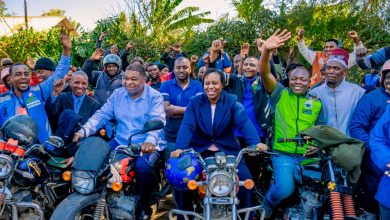
He said the AHADI project had reached more than 290,000 young people in Dar es Salaam and Dodoma, while Youth Ready had reached more than 2,500 through practical skills training, financial management and entrepreneurship education.
The training covers driving, tailoring, carpentry and welding, helping young people prepare for employment or establish their own businesses.
BLOOM Project Manager Irene Abusheikh said many young people completed vocational training but continued to struggle to find jobs or obtain capital to start businesses.
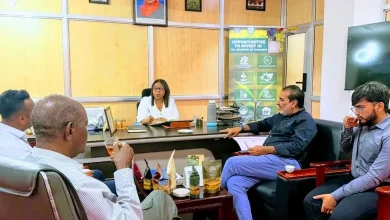
She said BLOOM was working with vocational training institutions, financial institutions and community partners to connect young people with marketrelevant skills, savings groups and opportunities to establish small enterprises.
ALSO READ: Concerted efforts needed to end child marriage
Ms Abusheikh also urged communities to challenge cultural practices and attitudes that restrict girls’ participation in economic activities, noting that financial independence could benefit families and society.
For Sauda Haji, an AHADI beneficiary, the training has helped her understand her rights and pursue financial independence.
She said training in sexual and reproductive health and entrepreneurship had strengthened her understanding of herself and her future choices.
After completing Form Four, Ms Haji rejected a marriage proposal because she wanted to pursue her ambitions.
“After receiving the training, I was able to understand who I am and what I should do and when,” she said.
She added that practical training in making liquid and bar soap had enabled her to pay rent, meet personal expenses and support her younger siblings.
Meanwhile, Shamsa Nuhu, a BLOOM beneficiary, said vocational training in hotel management had equipped her with useful skills, but she still needed further training and practical experience to improve her employment prospects.
She called on the government to expand financial support for vocational and higher education, saying training costs remained a barrier for many young people.
Ms Nuhu said she hoped to gain experience in the hospitality industry before establishing her own business specialising in pastries and beverages.