WB pledges continued support for Tanzania
BANGKOK: THE World Bank has pledged continued support for Tanzania’s strategic development projects, including energy, education, railway infrastructure and social protection.
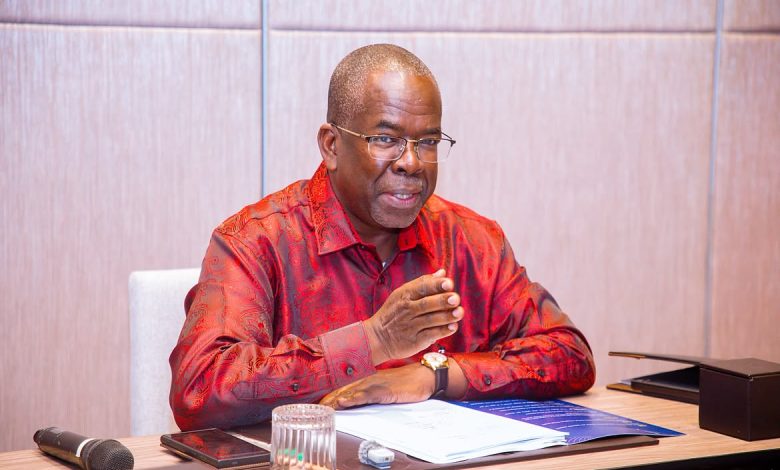
The commitment followed talks between the Bank’s Vice President for Eastern and Southern Africa, Dr Ndiamé Diop and Finance Minister Ambassador Khamis Mussa Omar in Bangkok, Thailand.
The meeting took place yesterday on the sidelines of the Annual Meetings of the International Monetary Fund (IMF) and the World Bank.
Dr Diop congratulated Tanzania on its economic and development progress and said the Bank would continue supporting strategic government and regional projects according to the country’s development needs.
The priority areas include energy infrastructure, education, railway development, support for vulnerable households through the Tanzania Social Action Fund (TASAF), human capital development and regional projects.
The discussions focused on cooperation in financing development initiatives intended to improve infrastructure, expand access to social services and strengthen economic links within Tanzania and the wider region.
Speaking during the meeting, Ambassador Omar said cooperation with the World Bank covered several strategic projects aimed at supporting economic growth and improving infrastructure.
“We are collaborating to implement major strategic projects. These priority projects include the development of Dar es Salaam Port, construction of the Central Railway (MGR) and Standard Gauge Railway (SGR), as well as energy projects aimed at connecting the national grid with neighbouring Zambia,” he said.
The minister said the government’s development agenda also covered agriculture, health, education, industrial development and social protection, with investment in these sectors expected to support economic activities and improve service delivery.
He added that Tanzania’s relations with international financial institutions, including the World Bank and IMF, remained important in supporting national development priorities.
On cooperation with the IMF, Ambassador Omar said Tanzania had completed its existing programme and was conducting an internal assessment to establish its financing needs before entering into any new arrangement.
Between 2022 and 2026, Tanzania received approximately 1.7 billion US dollars in IMF financing (about 4.47tril/-), comprising about 1.063 billion US dollars under the Extended Credit Facility (ECF) (about 2.80tril/-) and 636.5 million US dollars under the Resilience and Sustainability Facility (RSF) (about 1.67tril/-), which concluded in August 2026, according to the minister’s statement. The discussions took place as Tanzania continued to record economic growth.
ALSO READ: Tanzania needs 20bn US dollars for climate change, but World Bank urges attention in financing gap
According to the National Bureau of Statistics (NBS) report released in June 2026, the economy grew by 6.1 per cent in the first quarter, compared with 4.3 per cent in the corresponding period in 2025.
The report, prepared jointly by the NBS and the Office of the Chief Government Statistician, showed that financial and insurance services grew by 19.1 per cent, health services by 13 per cent and education by 11.2 per cent during the quarter.
The figures provide an overview of economic performance during the period but do not establish that World Bank financing directly caused the reported growth.
Dr Diop said the Bank would continue supporting strategic projects in Tanzania and across the region, with financing directed towards development priorities according to the country’s needs.