

What multi-million-dollar Dar Port expansion means for investors, TZ
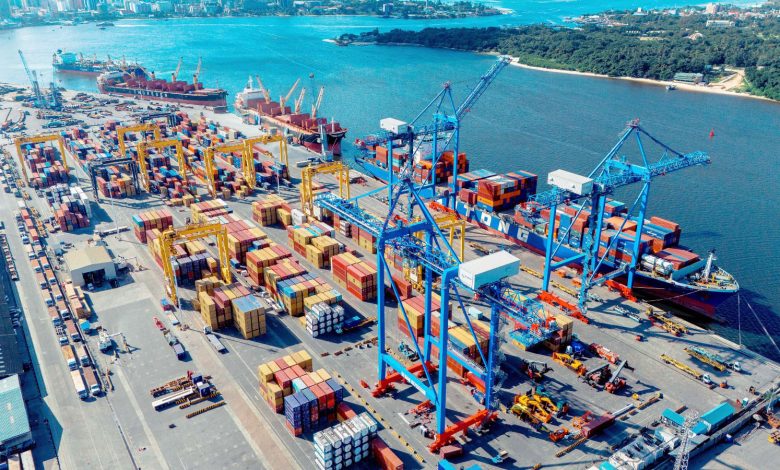
DAR ES SALAAM: THE transformation of Dar es Salaam Port from a congested bottleneck into East and Central Africa’s most competitive trade artery is entering a decisive phase through a multibillion-dollar infrastructure push aimed at delivering tangible benefits for citizens, businesses and investors alike.
What began as a World Bank-financed project in 2017, with a 345 million US dollars (about 919.9bn/-) credit through the International Development Association, has evolved into a comprehensive modernisation programme that is reshaping regional trade dynamics and positioning Tanzania as the gateway of choice for seven landlocked nations.
Speaking during the ground-breaking ceremony for 701.8bn/- oil storage tanks at the port on March 3, 2026, President Dr Samia Suluhu Hassan said ongoing port reforms had enhanced operational efficiency, expanded cargo-handling capacity and strengthened government revenue performance.
She added that the project forms part of the government’s broader strategy to strengthen transport infrastructure and enhance Tanzania’s competitive position as a regional trade hub.
A port reborn: From 12 berths to 22
The physical transformation is the most visible evidence of this strategic push. Chief Government Spokesperson and permanent Secretary in the Ministry of Information, Culture, Arts and Sports Mr Gerson Msigwa confirmed that the expansion involves the construction of ten new berths, increasing the total from 12 to 22, at a cost of approximately 2 billion US dollars (about 5tri/- ).
The port deepening programme, in two phases, has seen the entrance channel deepened from 10 metres to 15.5 metres, enabling the facility to accommodate large vessels of up to 8,000 containers, compared with about 4,000 previously, while bulk carriers can carry up to 70,000 tonnes.
Minister for Transport Professor Makame Mbarawa confirmed during an inspection tour that the second phase, costing 219bn/-, would allow the port to receive larger ships and reduce shipping costs.
Private sector partnerships delivering results
Central to the port’s revival has been the strategic engagement of private operators. The Tanzania Ports Authority (TPA) signed concession agreements with DP World and Adani International Ports, establishing DP World Dar es Salaam Limited and Tanzania East Africa Gateway Terminal Limited.
Mr Msigwa noted that as of June 2025, DP World had invested approximately 214.2bn/- in new equipment and modern systems. Tanzania East Africa Gateway Terminal Limited (TEAGTL) is investing 410.4bn/- in infrastructure rehabilitation and upgrades to Berths 8 to 11.
The impact has been dramatic. Ship turnaround times for container vessels have fallen from an average of 30 days to just six days. Cargo volumes rose to 27.7 million tonnes in 2024/2025, a 17 per cent increase.
According to Port Director Mr Abed Gallus, the facility handled a total cargo throughput of 33.71 million tonnes in the 2025/26 financial year, representing a 21.5 per cent increase from the previous year.
TPA Director General Plasduce Mbossa attributed these gains to sustained investment. “Port efficiency has increased by approximately 98 per cent due to the reduction in vessel service times. This is a sign that Tanzania has begun to reap the benefits of the substantial investments made in the port sector under the leadership of President Dr Samia Suluhu Hassan,” he said.
Benefits to citizens and businesses
For Tanzanian businesses and citizens, the port modernisation is delivering tangible dividends. The elimination of the 1,000 US dollars container demurrage fee has resulted in annual savings of 600 million US dollars (about 1.5tri/-) for traders.
The partnership with DP World has generated 325.3bn/- in government revenue through land rent, royalties and wharfage charges.
Perhaps most importantly, the expansion is creating jobs. Mr Msigwa confirmed that direct employment had reached 764 jobs as of June 2025, with thousands of indirect jobs created. Industry stakeholders report that over 30,000 direct jobs and 150,000 indirect jobs have been generated.
Tanzania Shipping Agents Association Chairman Daniel Malongo said the engagement of private operators had improved efficiency. “This has been a key driver behind the sustained growth in cargo volumes,” he said.
Tanzania Freight Forwarders Association Executive Secretary Liston Goodluck added, “As operational efficiency continues to improve, more cargo owners are choosing the Port of Dar es Salaam because it offers a faster and more reliable gateway to regional markets.”
ALSO READ: Dar Port climbs 105 places in the CPPI index from 360th to 255th position in 2025 rankings
Serving seven landlocked nations
The port’s strategic importance extends far beyond Tanzania’s borders. In the 2024/2025 financial year, Tanzanian ports handled approximately 12.6 million tonnes of transit cargo. The Democratic Republic of Congo (DRC) led with nearly 6 million tonnes, followed by Zambia with 3.5 million tonnes and Rwanda with 1.7 million tonnes.
In the 2025/2026, transit cargo rose 17 per cent to 14.61 million tonnes, driven heavily by regional markets: Transit to DRC rose by 30 per cent to 7.77 million tonnes (accounting for over half of transit traffic), Rwanda up 24 per cent to 2.18 million tonnes and Zambia: 3.41 million tonnes (slightly down 5 per cent).
According to Mr Gallus, rising cargo volumes are creating pressure on road infrastructure outside the port, with about 3,000 trucks handling cargo around the port each day.
To address the challenge, TPA is promoting greater use of rail, inland container depots and logistics centres. Facilities in Morogoro and Isaka will help distribute cargo closer to its final destinations, while the Standard Gauge Railway (SGR) is increasingly being used to move containers from Dar es Salaam.
The integration of SGR with port operations is central to this regional strategy. Prof Mbarawa confirmed that the 68,000-square-metre cargo terminal in Morogoro would have capacity to handle 600 containers per day. Dry ports are being developed in Kurasini Phase II, Kwala, Ihumwa and Chuo cha Polisi area.
A strategic asset in a changing world
According to the 2025 Container Port Performance Index published by the World Bank, Dar es Salaam climbed 105 places globally from 360th in 2024 to 255th in 2025, making it the highest-performing port in East Africa.
Mombasa fell from 375th to 396th. TPA Director of Marketing and Communications George Fasha said the Port Infrastructure Development Levy had been reduced from 9 per cent to 4.5 per cent of customs duty. “This adjustment demonstrates that TPA has listened to stakeholders,” he said.




C168 là nhà cái trực tuyến với kho game đa dạng từ casino, thể thao, bắn cá đến nổ hũ. Khám phá giao diện hiện đại, nhiều ưu đãi và tiện ích dành cho thành viên.