Early screening vital in managing gestational diabetes
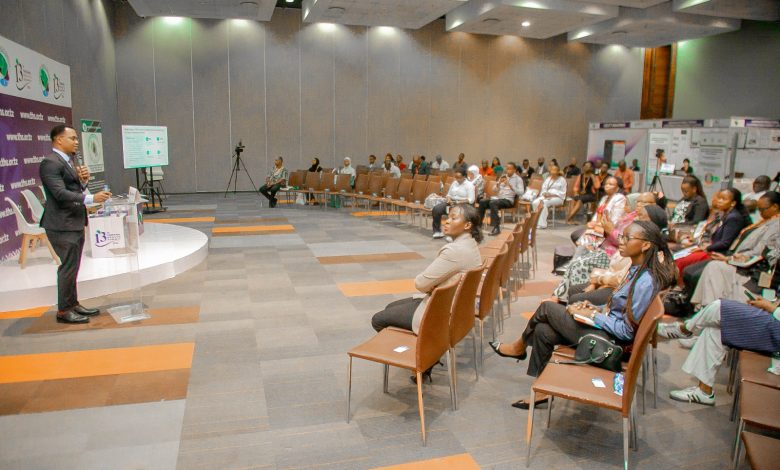
DAR ES SALAAM: SENIOR Lecturer at Muhimbili University of Health and Allied Sciences (MUHAS), Amani Idris Kikula, has said that gestational diabetes can cause serious complications for both the mother and the baby if it is not detected and managed early.
Speaking today in Dar es Salaam at the Health Conference, Kikula said gestational diabetes occurs when a pregnant woman’s body is unable to properly use and regulate blood sugar levels, a condition associated with increased insulin requirements during pregnancy.

He said that during pregnancy, a mother’s body needs to produce more insulin to meet the body’s needs and support the baby’s growth. Therefore, problems with the pancreas or early indicators of diabetes can cause blood sugar levels to rise.
According to Kikula, gestational diabetes is often detected from around the 24th week of pregnancy, although in some women who already had diabetes before pregnancy, the condition may be detected earlier.
He said that if blood sugar levels become high and are not controlled, they can affect the baby’s growth and increase the risk of the baby being born with a high birth weight, which may increase the likelihood of delivery by Caesarean section.
Kikula added that uncontrolled diabetes during pregnancy can also increase the risk of complications for the mother, including high blood pressure during pregnancy, excessive bleeding during childbirth and infections.
He said that for the baby, the effects may continue even after birth, as children born following a pregnancy affected by uncontrolled diabetes may face a higher risk of becoming overweight and developing non-communicable diseases, including heart and kidney diseases, later in life.
However, Kikula said that early detection of gestational diabetes provides an opportunity to manage the condition and reduce complications for both the mother and the baby, stressing the importance of pregnant women attending antenatal clinics and undergoing the necessary tests.
He said that initial measures for managing gestational diabetes include changing dietary habits and undertaking appropriate physical exercise for pregnant women, while other treatments are provided depending on the patient’s condition and the advice of health professionals.
He stressed that early screening and close monitoring during pregnancy are important to ensure the safety of both the mother and the baby and to reduce the likelihood of complications that may occur during pregnancy, childbirth and after the baby is born.
For her part, the Director General of the National Health Insurance Fund (NHIF), Dr Irene Isaka, said one of the major challenges is that some people only take out health insurance when they face medical problems and the costs become high, whereas people are supposed to have health insurance to safeguard their health.