Tanzania eyes better terms for Gulf workers
DAR ES SALAAM: TANZANIA has stepped up efforts to secure better working conditions and stronger protection for its citizens employed in Gulf countries, whose number reached 15,000 over the past two years.
The renewed push was made at the 2026 Doha Dialogue in Dar es Salaam on Monday, which brought together senior African and Gulf officials to strengthen cooperation on labour mobility, skills development, social protection and decent employment.
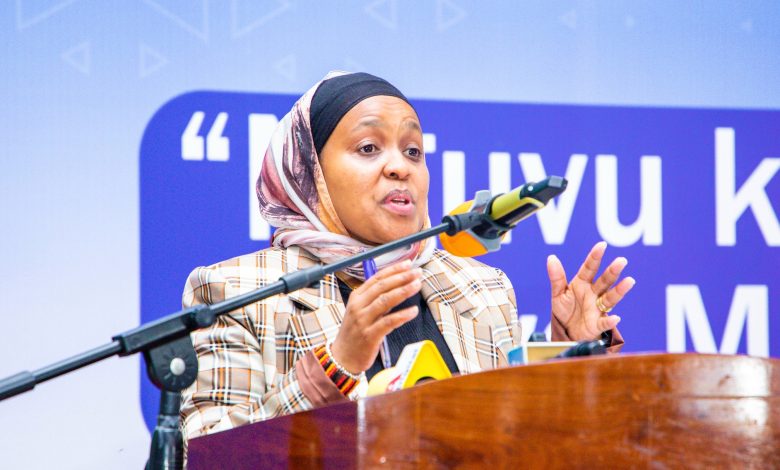
Speaking at the meeting, Deputy Permanent Secretary in the Prime Minister’s Office responsible for Labour, Employment and Relations, Ms Zuhura Yunus, said Tanzania’s priority was to ensure workers understood and enjoyed their rights from the moment they left the country.
“Our priority is the safety, dignity and rights of every worker. Before leaving Tanzania, we must know where the worker is going, who the employer is, what salary has been agreed and who will assist them if they face a problem,” she said.
Ms Yunus said Tanzania wanted stronger systems to track workers throughout the migration process, including access to health services, timely payment of wages and protection against exploitation.
“We have seen improvements, but we want to go further. We want Africa and the Gulf countries to agree on practical measures that guarantee workers’ rights including working hours, leave and social protection,” she said.
ALSO READ: Nairobi Convention shifts focus to investment
She said the number of Tanzanians seeking employment in Gulf countries, including Saudi Arabia and Qatar, had increased to 15,000 over the past two years, with workers taking up jobs ranging from driving and delivery services to nursing and domestic work.
“Demand is changing. Gulf countries increasingly need workers with higher skills,” she said.
African Union Commission (AUC) Head of Employment and Labour, Dr Sabelo Mbokazi, said the dialogue had come at a critical time as the number of African workers migrating to the Gulf continued to rise. “We cannot stop labour migration, but we can make it orderly, dignified, regular and productive rather than exploitative,” Dr Mbokazi said.
He said the 2026 dialogue built on the 2024 Doha Dialogue, which produced the Doha Declaration aimed at promoting smoother labour migration and stronger social protection across the two regions. Dr Mbokazi said the focus should be on ensuring African migrant workers had access to justice, health coverage and social protection, arguing that better-protected workers ultimately benefited employers and destination countries.
“When migrant workers are protected and healthy, they perform better. That creates a win-win situation for workers, employers and countries of destination,” he said.
He said particular attention was needed for vulnerable workers, especially those engaged in domestic and care work, following reports of abuse and violations of workers’ rights. The dialogue brings together African countries and GCC members Saudi Arabia, the United Arab Emirates, Qatar, Kuwait, Oman and Bahrain, alongside Jordan and Lebanon.