Tanzania calls for regional cooperation in addressing cross-border disease outbreaks
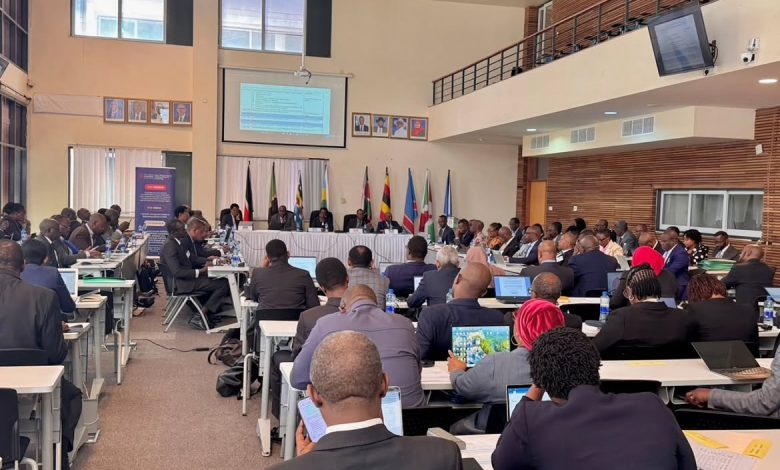
ARUSHA: THE Tanzanian government has stressed the importance of strengthening regional cooperation in addressing cross-border health challenges, including disease outbreaks, non-communicable diseases and the impacts of climate change.
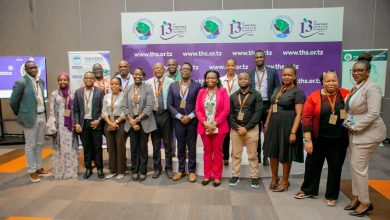
Speaking on behalf of the Permanent Secretary in the Ministry of Health, Dr Grace Magembe, during the 26th Ordinary Meeting of the East African Community (EAC) Sectoral Council of Ministers Responsible for Health in Arusha, Director General of the Zanzibar Ministry of Health, Dr Maryam Hemed, said the challenges required joint action among member states to strengthen health security across the region.
Dr Hemed said Tanzania continues to strengthen disease surveillance and early warning systems, laboratory capacity, Rapid Response Teams, case management, infection prevention and control, as well as risk communication and community engagement.
She said Ebola and other viral haemorrhagic fevers continued to require sustained regional preparedness, noting that previous outbreaks in the region had demonstrated the importance of early detection, rapid response, effective coordination and community engagement in containing the spread of diseases.
ALSO READ: Africa health ministers tackle disease outbreaks
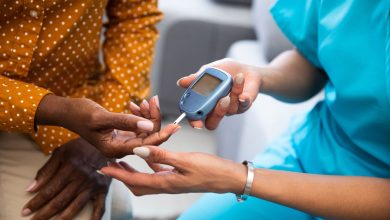
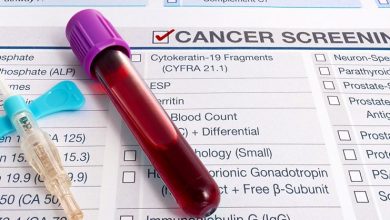
Dr Hemed also said EAC member states should continue taking joint measures to address the growing burden of non-communicable diseases, including diabetes, cardiovascular diseases and cancer.
She called for strengthened prevention, screening and early detection measures, as well as increased access to quality healthcare services, essential medicines and health technologies.
She further said regional cooperation was needed to strengthen the regulation and quality assurance of medicines, procurement and supply systems for health commodities, research, as well as the sharing of knowledge and experience.
According to Dr Hemed, such cooperation would contribute to building stronger and more resilient health systems capable of responding effectively to a wide range of emerging and existing health challenges.