Muhimbili builds specialist fetal care to identify pregnancy risks earlier
DAR ES SALAAM: FOR many families, pregnancy is a period of hope and anticipation. Yet for some women, it can become a period of serious medical risk when complications threaten the mother, the unborn baby or both.
Pregnancies complicated by high blood pressure, diabetes, heart or kidney disease, sickle cell disease, multiple pregnancy, poor fetal growth or congenital abnormalities require more than routine antenatal care. They demand specialised assessment capable of identifying danger early, monitoring the health of both mother and baby and determining the safest time and place for delivery.
This is where Fetal Maternal Medicine (FMM) becomes increasingly important.
The specialised field focuses on pregnancies in which either the mother, fetus or both face elevated risks. It combines maternal and fetal assessment, advanced ultrasound, specialised monitoring, diagnosis and coordinated care to manage complications before they develop into emergencies.
The need for such services is underscored by the continuing global burden of maternal and newborn deaths. The World Health Organisation (WHO) estimates that more than 700 women died every day from preventable causes related to pregnancy and childbirth in 2023.
Its latest internationally comparable estimate places Tanzania’s maternal mortality ratio at 275.8 deaths per 100,000 live births in 2023. A separate figure from Tanzania’s 2022 Demographic and Health Survey and Malaria Indicator Survey reported a maternal mortality ratio of 104 deaths per 100,000 live births. Because the figures come from different measurement approaches and reference periods, they should be considered separately.
The newborn picture remains concerning as well. WHO estimates that nearly two million babies are stillborn globally each year, with more than 40 per cent occurring during labour and birth. Many of these deaths can be prevented through quality care, appropriate monitoring and timely access to emergency obstetric services.
These challenges make early identification of high-risk pregnancies essential, particularly before women reach hospitals with severe complications.
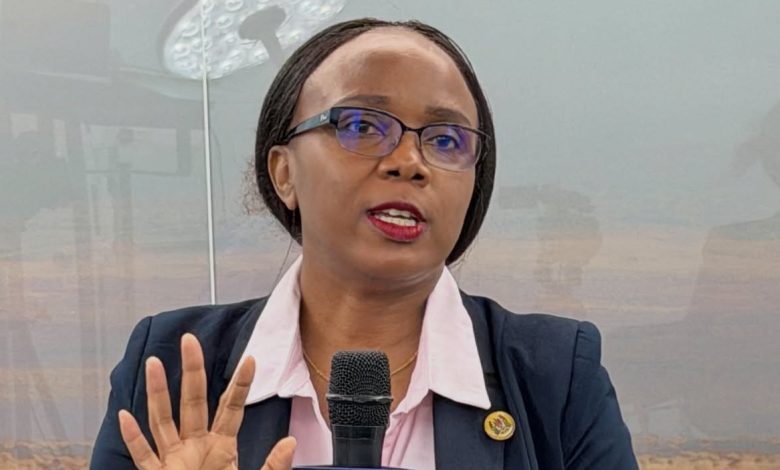
Speaking during the launch of new maternal and child health infrastructure and services at Muhimbili National Hospital (MNH), the hospital’s Executive Director, Dr Delilah Kimambo, said the institution was establishing and strengthening four specialised services: Fetal Maternal Medicine, urogynecology, gynaecologic urology and gynaecologic oncology.
She said FMM would provide specialised care for pregnancies carrying significant risks to mothers and unborn babies.
“Fetal Maternal Medicine is a specialised unit that manages high-risk pregnancies,” Dr Kimambo said.
The service will bring together a high-risk pregnancy clinic, modern investigations, specialised monitoring, intensive care and newborn services within a coordinated chain of care.
Its diagnostic capacity will include detailed anomaly ultrasound scans, Doppler assessment of blood flow between mother and fetus, fetal echocardiography to examine the baby’s heart and, where clinically indicated, amniocentesis.
WHO recommends one ultrasound before 24 weeks of pregnancy to help estimate gestational age and improve detection of fetal abnormalities and multiple pregnancies. Specialised fetal assessment therefore provides an important extension of antenatal care, particularly for women with additional risk factors.
For Dr Kimambo, one of the greatest benefits of the service is the opportunity to identify problems early enough for clinicians to intervene before a pregnancy becomes an emergency.
“The unit will be able to detect problems affecting the mother and unborn baby early and take action before the condition becomes dangerous,” she said.
The value of early detection is especially clear in hypertensive disorders of pregnancy. WHO says these disorders account for around 16 per cent of maternal deaths globally, equivalent to about 42,000 deaths in 2023. Pre-eclampsia can progress to eclampsia, causing seizures and placing both mother and baby at risk.
Women living with chronic hypertension, diabetes, kidney or heart disease may require closer monitoring throughout pregnancy. Similarly, women carrying twins or other multiple pregnancies may need specialised fetal surveillance, while suspected poor fetal growth and congenital abnormalities require detailed assessment.
Early identification gives clinicians time to determine the severity of a condition, monitor its progression and plan an appropriate response. Instead of discovering a serious problem during labour, specialists can determine whether a woman needs observation, medication, early delivery or referral.
Modern fetal medicine can also enable some conditions to be diagnosed before birth and, in selected cases, treated or managed while the baby remains in the womb.
Dr Kimambo said Muhimbili planned to develop capacity for fetal therapy.
“The unit will lay the foundation for introducing fetal therapy, including procedures such as blood transfusion for a baby with severe anaemia while still in the womb,” she said.
WHO notes that ultrasound can help identify major structural abnormalities, while diagnostic procedures such as amniocentesis may be used in selected high-risk pregnancies.
When a fetus is diagnosed with a heart defect or another serious congenital abnormality, care may require several specialists working together. Dr Kimambo said the new service would facilitate such multidisciplinary management.
“When a baby is found to have a heart problem, a digestive-system problem or another congenital abnormality, the unit will coordinate a team of obstetricians, neonatologists, paediatric surgeons and cardiologists so that the baby is born at the right place, at the right time and receives treatment immediately,” she said.
This approach means that the place and timing of delivery can become part of the treatment plan.
The model is particularly relevant to Muhimbili because, as Tanzania’s national referral hospital, it receives women with complicated pregnancies from different parts of the country.
Hospital data presented during the launch showed that approximately 90 per cent of mothers who died at Muhimbili had been referred from other facilities, with about twothirds coming from municipal hospitals in Dar es Salaam. The data also identified shortages of blood, specialists and equipment among factors contributing to referrals.
An earlier Muhimbili study recorded a maternal mortality ratio of 1,541 deaths per 100,000 live births in 2011. Pre-eclampsia and eclampsia accounted for 19.9 per cent of maternal deaths, while postpartum haemorrhage accounted for 14.9 per cent. More than half of the women died within 24 hours of admission.
Although those figures relate to an earlier period, they illustrate the consequences that can arise from delayed referral and late presentation with severe pregnancy complications.
FMM provides an opportunity to move part of the response further upstream by identifying women at risk and managing their conditions before emergencies develop.
Its significance extends beyond Muhimbili. If properly integrated into the health system, the service could contribute to Tanzania’s broader efforts to reduce preventable maternal and newborn deaths.
WHO emphasises that quality antenatal care delivered by skilled health personnel is essential for preventing avoidable maternal and newborn illness and death. Its recommendations include early assessment, monitoring of risk factors and appropriate fetal assessment during pregnancy.
Dr Kimambo said Muhimbili also intends to use the service for specialist training, research and support to other hospitals.
ALSO READ: Muhimbili-Mloganzila boosts kidney care services
“Working with MUHAS, the unit will become a centre for training specialists and midwives, conducting research that will help the country plan its strategies, and providing specialist advice to regional hospitals through telemedicine,” she said.
This wider role is important because a specialised service concentrated in one hospital cannot, by itself, address Tanzania’s maternal health challenges. A stronger system requires primary and secondary facilities to identify high-risk pregnancies early, regional hospitals to provide appropriate care and national referral hospitals to manage the most complex cases.
For Tanzania, strengthening FMM can support the longerterm development of a health system built around specialised human resources, modern technology, research and quality services, including priorities under Tanzania Development Vision 2050.
The service could also contribute to reducing stillbirths by enabling specialists to monitor fetal growth, blood flow and wellbeing and determine when delivery is safest.
WHO’s Every Newborn Action Plan targets 12 or fewer late stillbirths per 1,000 total births by 2030. The organisation says more than 40 per cent of stillbirths occur during labour and birth and can be prevented through high-quality care.
For Dr Kimambo, the broader significance of FMM lies in its ability to protect mother and child together.
“Fetal Maternal Medicine is an important pillar for protecting two lives at the same time, the life of the mother and the life of the baby,” she said.
The establishment of the service at Muhimbili therefore represents more than the introduction of another specialist clinic. It provides an opportunity to shift maternal care from responding to emergencies towards anticipating risk, detecting complications earlier and planning care around the needs of both mother and baby.