

Vision 2050 demands real-time accountability, says Deputy Speaker Sillo
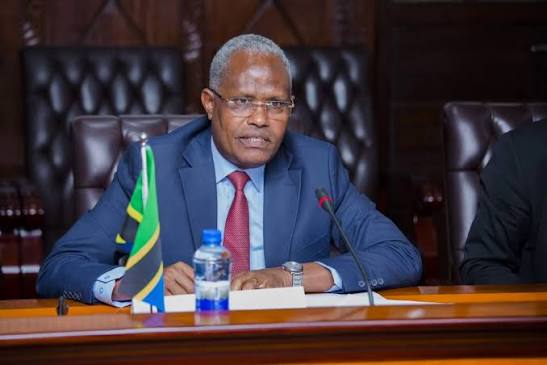
ARUSHA: TANZANIA must shift from passive data collection to proactive, evidence-based decision making if its ambitious Vision 2050 and the Fourth Five-Year Development Plan are to deliver tangible changes in citizens’ lives.
This was the central message delivered yesterday by Deputy Speaker Daniel Sillo, when he opened the 5th Tanzania Monitoring, Evaluation and Learning (MEL) Conference 2026 in Arusha.
Speaking on behalf of Prime Minister Dr Mwigulu Nchemba, Sillo stressed that monitoring and evaluation (M&E) systems must function as active early-warning systems rather than retrospective reporting tools.
“Do not wait until the end of the year to realise that a target has not been achieved,” Sillo told delegates, urging government leaders to regularly review data and implement corrective measures before challenges derail development targets.
Held under the theme ‘From Evidence to Action: Strengthening Human-Centred Evaluation for Sustainable Development,’ the five-day conference has brought together policymakers, researchers, and international partners to rethink how national progress is tracked.
Sillo challenged M&E professionals to look beyond spreadsheets and statistics, advocating for evaluations that capture real human stories.
He emphasised that marginalised groups, including women, youth, persons with disabilities, and the elderly must actively participate across all phases of planning, implementation, and evaluation.
“We must also capture the stories of change in people’s lives and ask who has been heard and who has not been heard,” he noted.
Furthermore, he called for M&E responsibilities to be decentralised across all government institutions rather than being siloed in specialised departments, urging managers to build local capacity and equip champions with clear guidelines.
ALSO READ: NGOs urged to back Vision 2050
The conference also highlighted the role of modernisation in governance. Permanent Secretary in the Prime Minister’s Office Dr Jim Yonazi reported that the government’s electronic data management and collection system has reached 70 per cent completion by June 2025, marking a critical milestone for tracking impact, cost, and timelines under the current development phase.
Weighing in on technical innovations, UN Resident Coordinator Ms Susan Namondo noted that Artificial Intelligence, geospatial technologies, and real-time data hold immense potential for strengthening M&E, though she cautioned that technology cannot substitute for fundamental data quality.
Reinforcing legislative backing, Tanzania Parliamentary Monitoring and Evaluation Caucus Chairperson Ms Mwanaisha Ulenge pledged that parliament would sharpen its use of evidence to oversee government programmes, ensuring accountability remains front and centre as Tanzania maps its long-term future.
Permanent Secretary in the Prime Minister’s Office (Policy, Parliament, Coordination and Persons with Disabilities), Dr Jim Yonazi, said M&E should focus on results and the impact of development programmes on citizens.
He said the government needed evidence showing how people’s lives had changed, at what cost and within what period, particularly as Tanzania had entered the implementation phase of the Fourth Five-Year Development Plan.
UN Resident Coordinator in Tanzania, Ms Susan Namondo, said Artificial Intelligence, geospatial technologies and real-time data could strengthen M&E, but cautioned that technology could not compensate for poor-quality data.
The Director of Performance Monitoring and Evaluation in the Prime Minister’s Office, Ms Sakina Mwinyimkuu, said M&E was the responsibility of all development stakeholders.




Solid write-up, thanks for sharing. Noting this reference here as well for anyone else researching the same thing: https://sites.google.com/view/1988richmy2