Chief Ndaskoi Museum welcomes the globe to learn the Maasai history
ARUSHA: THE community has been encouraged to learn from the history preserved at the Chief Ndaskoi Memorial Museum and use values embedded in Maasai culture to address moral challenges facing society.
The museum was established in honour of Ndaskoi Ngaami Oilepu, the Maasai Chief Ndaskoi, with the aim of preserving the history of Arusha City and the culture of the Maasai community before and after independence.
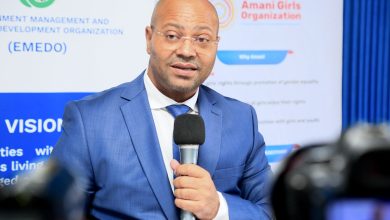
The Executive Director of the Chief Ndaskoi Memorial Museum, located in Moshono, Arusha City, Ol-aiguenani Meshack Ndaskoi, said there was a need for the community to continue learning about cultural heritage, including respect, cooperation, solidarity, courage, honesty and integrity.
He said Chief Ndaskoi was a prominent leader before independence and made a significant contribution that is still unknown to many people.
“Knowing Chief Ndaskoi is as important as knowing other people who made significant contributions to society because through their history, the current generation can learn lessons that can help in advancing governance and community life,” he said.
He said the museum was established in 2023 and officially opened to the public with the aim of preserving Arusha’s historical and cultural heritage, which was at risk of being lost.
Ndaskoi said the museum explains the history of Arusha from the 16th century to the present, including the history of the Maasai and Meru communities, the arrival of German and British rule, independence and the development of Arusha.
He said it also explains the origin of the name Arusha and preserves indigenous plants with medicinal value, sacred plants and some plant species that are at risk of disappearing.
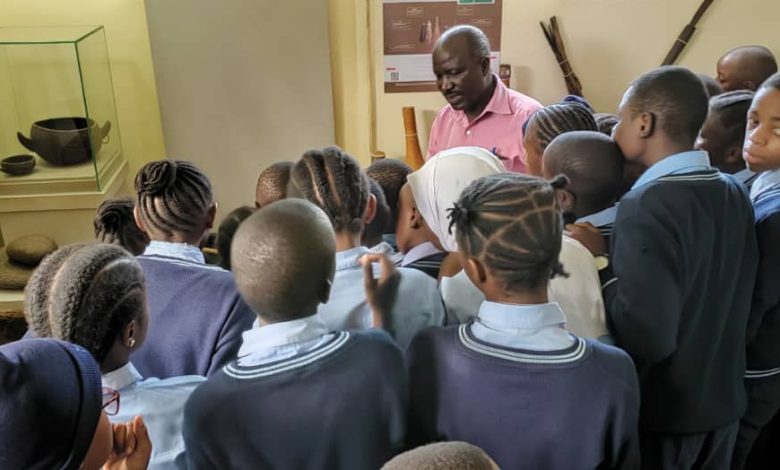
He said it was important for primary and secondary school students, university students and researchers to visit the museum and learn about history and activities that took place in the past.
He explained that the museum currently receives more secondary school students and those studying tourism and tour guiding, but the number of visitors remains low despite efforts to promote the museum.
He said the museum could become an additional tourist attraction in Arusha and increase the amount of time tourists spend in the city, which would contribute to the economy and create employment opportunities for young people, women and the community in general.
He said the museum had also started involving the community in environmental activities, including tree planting and cleaning the river flowing through the area.
He added that the major challenge was a lack of funds and specialised equipment for preserving historical artefacts, urging the government and stakeholders to continue supporting the museum.
Meanwhile, Suye Secondary School teacher Taslo Mwankenja said the visit was important for students as it gave them an opportunity to learn and understand history and cultural heritage.
He said the museum contains history that would help students learn and see actual objects from the past, as well as plants.