Girls ready to lead digital future
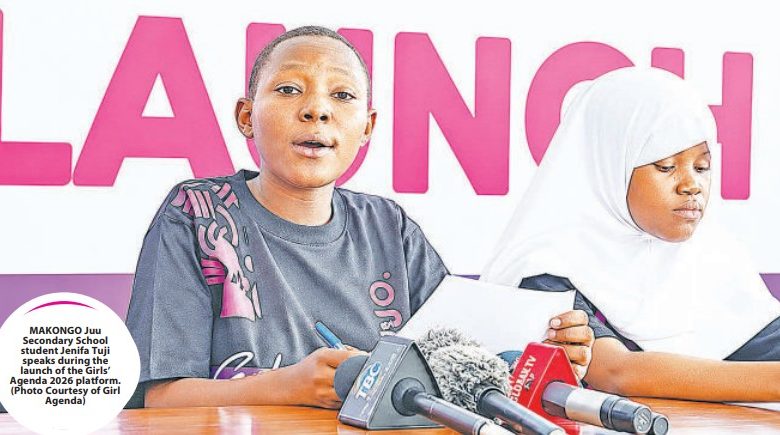
DAR ES SALAAM: FOR 15-year-old Jenifa Tuji, the future is already arriving one screen at a time. As classrooms, businesses, hospitals and everyday services become increasingly digital, the Form Three student at Makongo Juu Secondary School worries that girls without technology skills could be left watching opportunities pass them by.
“Over the coming years, the use of technology in Tanzania is expected to grow rapidly and become an important part of education, employment, business, healthcare and economic participation,” Jenifa says.
As Tanzania looks towards 2050, girls like Jenifa are calling for equal access to digital devices, reliable internet and technology skills, arguing that these opportunities will determine whether they become creators and leaders in the digital economy or remain mere consumers of technology.
For them, investing in girls digital education is about far more than learning to use smartphones or computers. It is about preparing for careers, entrepreneurship, innovation and leadership in an economy expected to rely increasingly on science, technology and creativity.
The conversation gained momentum during the launch of Girls’ Agenda 2026, ahead of the International Day of the Girl Child, observed annually on October 11. Coordinated by six organisations advocating for girls’ rights, the platform seeks to give girls greater space to participate in discussions and decisions affecting their lives while ensuring their ideas translate into meaningful action. Jenifa believes digital education should not be treated as an optional extra.
“Preparing girls to use, create and lead technology is important so that they do not remain mere users, but can secure jobs, start businesses and participate in technology leadership and development,” she says.
Her concerns come at a time when Tanzania’s digital landscape is expanding rapidly. According to the Tanzania Communications Regulatory Authority (TCRA), internet connectivity has grown significantly in recent years, with internet subscriptions rising from about 29.1 million in December 2021 to 36.8 million by March 2024, driven largely by mobile internet access. Smartphone penetration also increased to 32.6 per cent of the population, with 99.8 per cent of internet users accessing the service through mobile phones and tablets.
ALSO READ: Do parents and community know about ESRAC, support children with Special needs?
The momentum has continued, with TCRA reporting that internet connectivity reached. For girls, however, greater connectivity does not automatically mean equal opportunity. Many continue to face barriers ranging from poverty and limited access to digital devices and affordable internet services to teenage pregnancy, early marriage, school dropout and violence.
Social norms can further discourage girls from experimenting with technology or pursuing careers in science and innovation.
For Experience Kobelo, a pupil at Msasani Primary School, those barriers affect far more than classroom performance. She says they shape girls’ confidence, decision-making, skills development and ultimately their ability to become economically independent. For Experience, empowering girls means much more than inviting them to attend events.
“Raising girls’ voices does not mean inviting them to attend events or exhibitions,” she says.
“It means giving them space to explain their challenges, make recommendations and participate in decisions that affect them.” Her words capture the central message behind Girls’ Agenda 2026 that girls should help shape the policies designed to improve their lives. Those concerns are exactly what Girls’ Agenda 2026 hopes to transform into action.
Msichana Initiative board member, Ms Leticia Mswaki, said the platform is designed to place girls at the centre of conversations about their future. She says girls are being given an opportunity to lead discussions, define what sustainable development means from their own perspective and use technology to amplify their voices.
“The initiative is expected to reach more than 5,000 girls through activities in schools and communities across different parts of the country,” she said.
Participants will discuss challenges and opportunities, develop recommendations, showcase their talents and innovations, learn from one another and articulate the support they need to thrive. For Jenifa, the goal is simple. She wants girls to grow up seeing technology not as something that belongs to someone else, but as a tool they can confidently use to build businesses, solve problems and shape Tanzania’s future.
Because by the time 2050 arrives, she believes the question will no longer be whether the country has embraced the digital economy. It will be whether every girl was given the chance to help build it.